Posted on by Editor
Craig Wilson
Back in the late 70s, any wrestling promotion that ran up against the National Wrestling Alliance (NWA) was seen as an outlaw promotion. Today we take a look at one of those promotions, namely Angelo Poffo’s International Championship Wrestling (ICW).
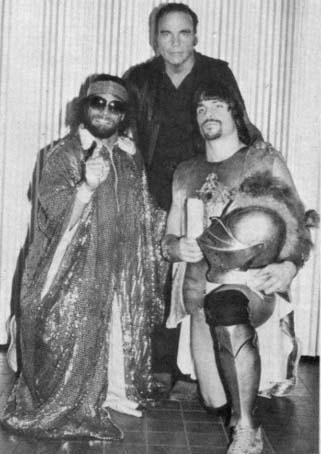
Angelo Poffo, the WCW Hall of Fame inductee and the father of Macho Man Randy Savage and ‘Leaping’ Lanny Poffo, founded International Championship Wrestling (ICW) in 1978. The promotion was initially a rival to Ron Fuller’s Southeastern Championship Wrestling and National Wrestling Alliance (NWA) Mid-American territory of Nick Gulas.
After initial success and infamy, they would quickly expand their operation into the territory of Verne Gagne’s American Wrestling Association and Dick Afflis’ World Wrestling Association within their three years since opening their doors.
Their expansion wouldn’t stop there and they soon arrived on the radar of Jerry Lawler and Jerry Jarrett’s Continental Wrestling Association (CWA).
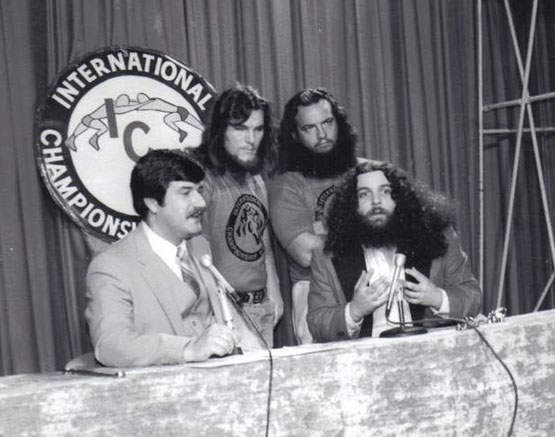
In addition to operating in the territories of their rivals, they would also poach several wrestlers from Southeastern and the CWA. Although many leaving Southeastern did so largely due to increasing frustration caused primarily by backstage politics but also by Robert Fuller’s booking which some members of the roster believed was lazy.
Unsurprisingly, the poaching of other promotions’ stars, aggressive expansion as well as numerous other issues, led to a series of lawsuits between Angelo Poffo and the other NWA-affiliated organizations during the period that ICW operated.
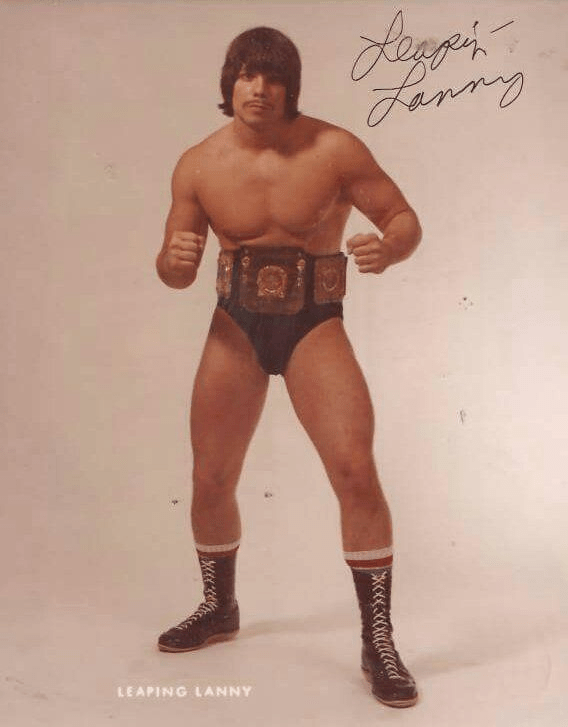
While the expansion techniques would mirror the actions of Vince McMahon and the WWF, in terms of booking ICW was more akin to World Class Championship Wrestling. Particularly in the way that Angelo Poffo booked his two sons: Randy and Lanny.
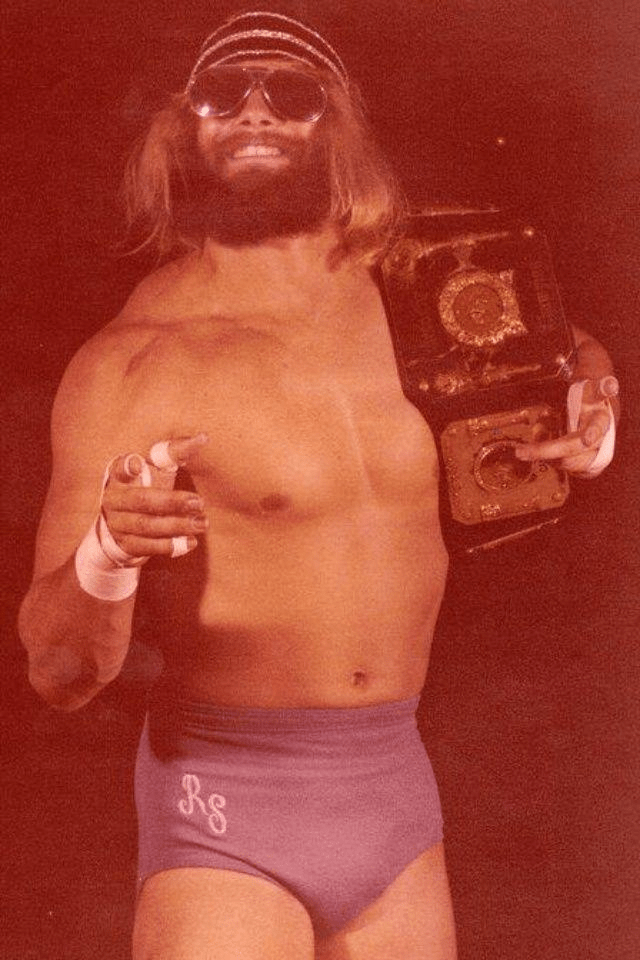
Both would become big stars, Lanny was better known as “Leaping” Lanny Poffo and would become The Genius in the WWF and sign with WCW while Randy Poffo is best known as “Macho Man” Randy Savage would become a main player of the WWF’s 80s expansion and wrestle well into the late 90s with WCW.
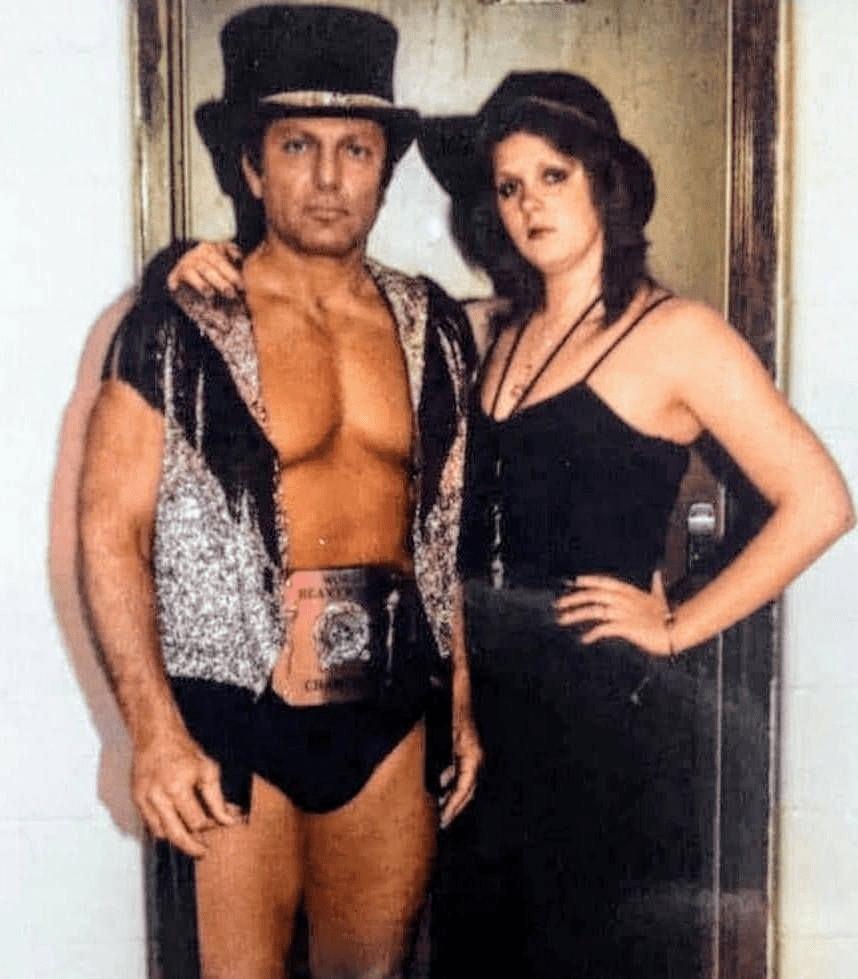
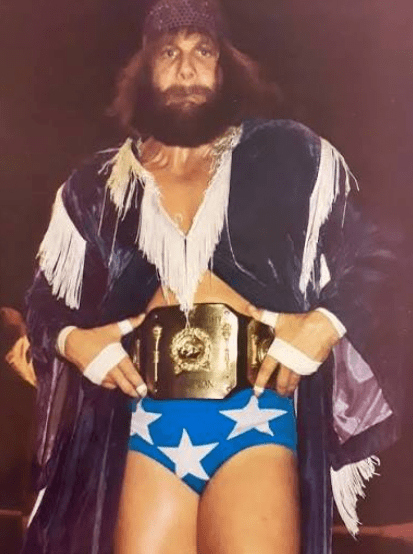
The pair dominated the main event scene in ICW to such an extent that in the 6 year history of the promotion’s heavyweight title, only one other man – Paul Christy – held it with the rest of the belt’s time being spent passed between the two Poffo brothers.
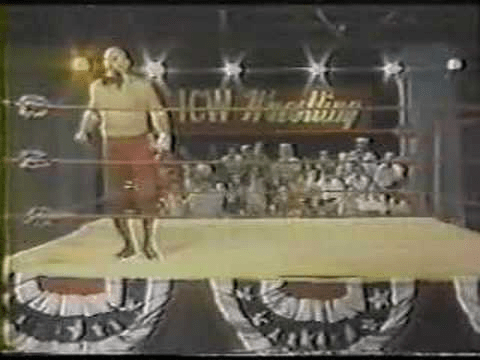
Although the Poffo brothers, like the Von Erichs in WCCW, dominated there were plenty of other talents on the roster that would become household names. The likes of Bob Orton, Ernie Ladd, the original Sheik, Eddie Gilbert, Ronnie Garvin and future One Man Gang all passed through ICW in the promotions history.

In fact, a certain Elizabeth Hulette – the future Miss Elizabeth – got her wrestling start there as an on-screen host on the promotion’s weekly TV show. It was also while at ICW that she began her relationship with Randy Poffo.
It was Neil Young that sang “It’s better to burn out than to fade away” and that term can be used to describe Poffo’s promotion. By 1984 – just six years after formation – with attendances dwindling, Poffo closed the doors and its assets were quickly snapped up by Jerry Jarrett and Jerry Lawler for CWA.
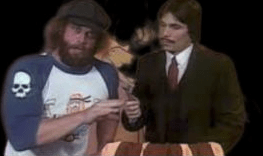
Thanks to the fans knowing just how intense and bitter the rivalry was between Poffo’s International Championship Wrestling and Lawler and Jarrett’s Continental Wrestling Association, Poffo’s son Randy was able to move to CWA and commence a memorable feud with Lawler that would help Savage on his way to the bona fide superstar status he eventually reached.
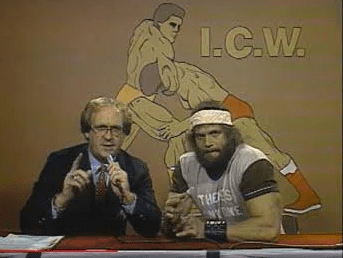
Ultimately a DVD set on the ICW and it’s rivalry with NWA promotions would make for very interesting viewing. Whether the footage would be of the required quality – is another thing. One can only hope, especially for those of us that didn’t get to witness the feud in real time.

Kyle Prescott
Agree on the documentary because as an older fan, I still don’t know many details about the promotion compared to other territories. That said, other than maybe seeing Randy, I’m not sure it would be of interest to most of today’s fans. Sadly the ranks of those of us who follow the older history of wrestling are shrinking.😢
David Fullam
For an Outlaw promotion, 6 years was a strong run.