
Joe King
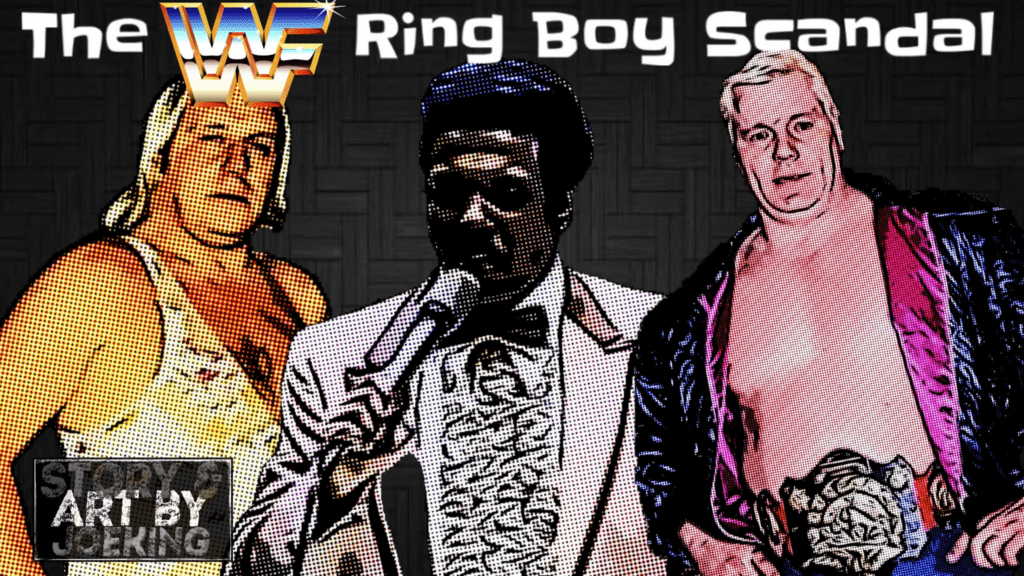
The “Ring Boy Scandal” is one of the most controversial and troubling chapters in the history of the World Wrestling Federation, dating back to the late 1980s and early 1990s. It involved allegations of sexual abuse made by underage employees—known as “ring boys”—against individuals connected to the company.
What Were “Ring Boys”?
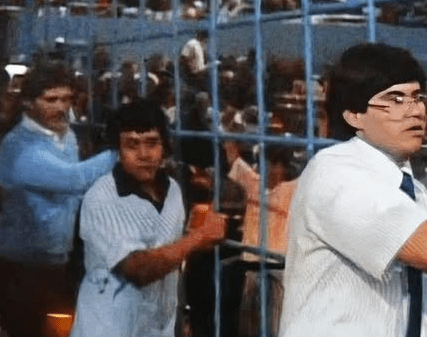
Ring boys were typically teenage employees hired by the WWF to help with event setup and breakdown. Their duties included assembling the wrestling ring, handling equipment, and assisting backstage at live events. Because of their age and proximity to wrestlers and staff, they were in a vulnerable position within the organization.
The Allegations
In the early 1990s, several former ring boys came forward with accusations that they had been sexually abused by individuals associated with the WWF during the late 1980s. The most prominent allegations centered around:

•Mel Phillips – A longtime WWF ring announcer and ring crew supervisor. He was accused by multiple former ring boys of sexual misconduct involving minors.

•Terry Garvin – A WWF ring announcer and executive (and kayfabe brother of wrestlers Ron Garvin and “Gorgeous” Jimmy Garvin). He was also accused of misconduct involving underage ring crew members.

•Pat Patterson – The first ever WWF Intercontinental Champion and a longtime agent/producer for the company. Helped guide the careers of many superstars, both past and present.
The allegations included claims of inappropriate advances, coercion, and abuse, often occurring during travel or at arenas.
Legal Action and Lawsuits
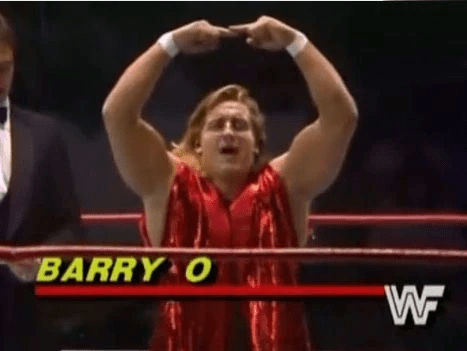
Several of the accusers filed lawsuits against the WWF, alleging that the company either knew about the abuse or failed to take appropriate action to stop it. These lawsuits brought significant negative attention to the organization at a time when it was already under scrutiny from other controversies (such as the steroid scandal). WWF owner Vince McMahon was interviewed on Larry King Live regarding the incident; during the broadcast, retired wrestler Barry Orton called in and accused Garvin of sexually assaulting him in 1978 when he was 19. Orton also accused Garvin of harming his wrestling career after the sexual advances were declined. Many of these cases were eventually settled out of court, which meant that details did not fully emerge in a public trial setting. As a result, much of what is known comes from legal filings, media reports, and later interviews.
WWF’s Response

At the time, WWF denied wrongdoing at an organizational level. However, Mel Phillips was quietly dismissed from the company in the late 1980s after internal concerns reportedly surfaced. Terry Garvin resigned from his executive position in 1992 amid the growing scandal. Critics have long argued that the company did not act quickly or transparently enough when early warning signs appeared. Garvin’s and Phillips’ careers ended after the scandal, but Patterson was offered his job back after one boy retracted his allegations, and he stayed with WWE for most of the rest of his life until his death from cancer in 2020.
Media Coverage and Public Awareness
The scandal did not receive the same level of sustained mainstream media attention as some other wrestling controversies of the era. However, it was covered in outlets such as the New York Post and wrestling newsletters. Years later, the issue resurfaced in broader discussions about misconduct in professional wrestling, including documentaries and investigative reports examining the industry’s past culture.
The Ring Boy Scandal had several lasting effects as it contributed to a growing awareness of lack of oversight and protection for young workers in wrestling at the time. It became part of a larger narrative about backstage culture in the 1980s wrestling boom, which has been criticized as being loosely regulated and, at times, exploitative and it remains a sensitive and often under-discussed topic in wrestling history, partly due to legal settlements and the passage of time.
It’s important to view the scandal within the broader context of the wrestling industry in that era. The late 1980s WWF was expanding rapidly nationwide, with less formalized corporate structures than today. Policies around hiring, supervision, and conduct—especially involving minors—were far less robust than modern standards.
The Ring Boy Scandal stands as a serious and troubling episode that highlights the need for accountability and proper safeguards in any entertainment industry involving young workers. While many details remain obscured due to settlements and limited public records, the allegations themselves have had a lasting impact on how fans and historians evaluate that era of professional wrestling.

David Fullam
And they got away with it. What a pathetic cesspool the company was and will always remain.
Luke
It’s not really “the company”. It’s most people with money. We’ve created a society where having money means you’re better than people who don’t. We’re not a very smart species…
snotty
Could be wrong but I’m sure I remember Mel Phillips still announcing when the WWF came to the uk in 91 either that or on Superstars/Challenge etc around that time. Could’ve been on delays I guess, or my memories crap haha