
Joe King
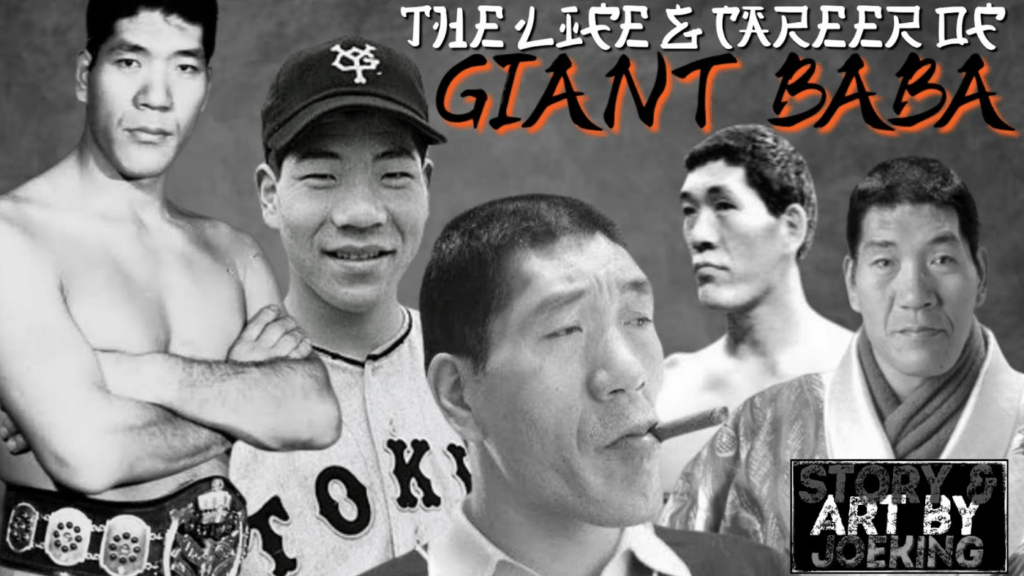
Standing at 6’10” with an unmistakable presence, Shohei “Giant”Baba was more than just a top star—he was a cultural icon, a promoter, and the driving force behind one of Japan’s most important wrestling organizations.
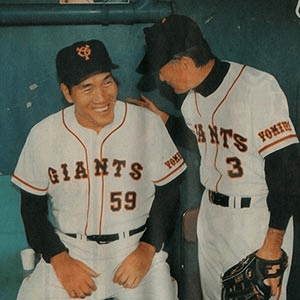
Before stepping into the ring, Baba was an accomplished athlete in another sport. Born on January 23, 1938, in Niigata, Japan, Baba initially pursued a career in professional baseball. He pitched for the Yomiuri Giants from 1955 to 1960. Baba joined the Yomiuri Giants in 1955 but didn’t play at all in his first year with the team. In 1956, he earned 12 wins with only 1 loss in his Rookie year and finished with 13 wins and 2 losses in 1957. Both years, Baba won the Nippon Professional Baseball League’s Best Pitcher award. Baba began suffering eyesight problems in 1957 and was forced to take time off for surgery when it was discovered he had developed a brain tumour. Baba underwent craniotomy at the University of Tokyo Hospital on December 23, 1957. The success rate of the surgery at that time was very low, and the doctor warned Baba he was likely to lose his eyesight completely, however, the operation was successful, and Baba was discharged after a week. He returned to the camp with a bandage on his head in January 1958. Baba played for two more seasons. However, after Hideo Fujimoto, a coach who formed a bond with Baba and regularly advocated for him to start, left the team, Baba was released from the Giants in 1959 after five seasons.
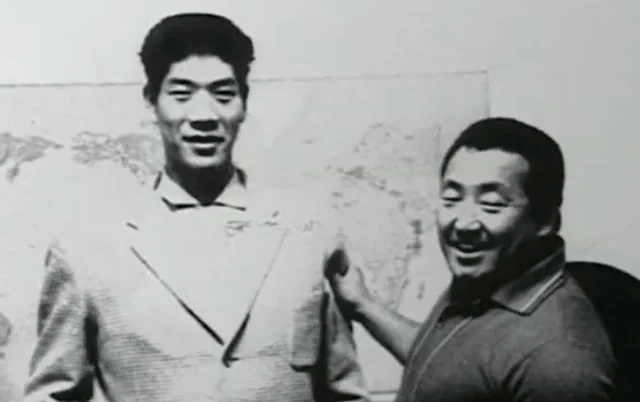
Baba transitioned into professional wrestling in 1960, joining the Japan Pro Wrestling Alliance(known as the JWA) under the guidance of the legendary Rikidōzan, often considered the father of Japanese pro wrestling. He trained with the great Antonio Inoki. They would both turn out to be two of the most important figures in professional wrestling history. After Rikidōzan’s death in 1963, Baba became one of JWA’s central figures alongside Antonio Inoki. The two would eventually become the defining pillars of Japanese wrestling. Baba gained international experience during the 1960s, touring the United States, where he competed in territories like the NWA, facing top stars such as The Destroyer, Dory Funk Jr., Buddy Rogers, and Harley Race. In 1964, Baba main-evented Madison Square Garden when he challenged for the WWWF World Heavyweight Championship against champion Bruno Sammartino. These tours helped him refine his style and build a global reputation.
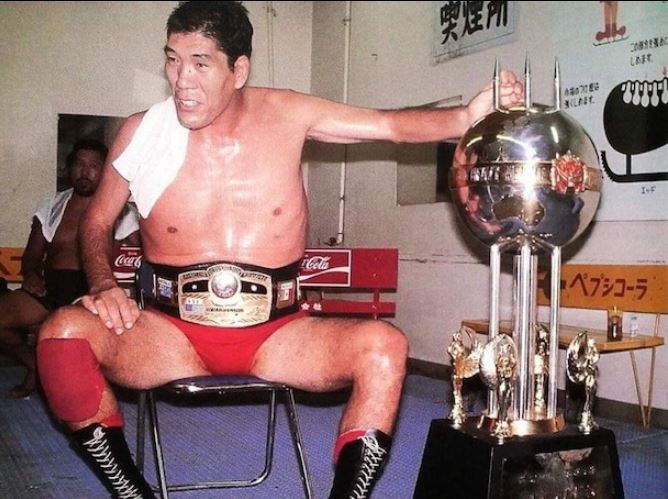
During his in-ring career, Baba captured numerous titles, including the PWF World Heavyweight Championship, NWA International Heavyweight Championship, NWA United National Championship, and NWA World Heavyweight Championship. These championships would later be unified into the prestigious Triple Crown Heavyweight Championship, which became the top prize in his future promotion. Baba’s style was deliberate and methodical, emphasizing storytelling and realism. While not known for flashy athleticism, his size, timing, and psychology made him a compelling main-event presence.
Founding All Japan Pro Wrestling
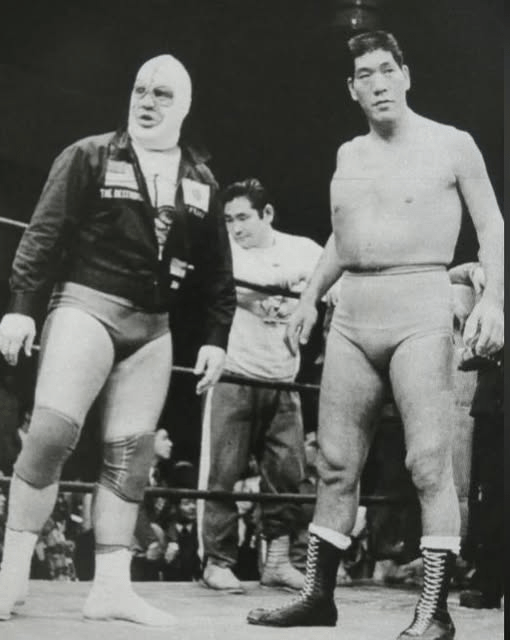
In 1972, following the collapse of the JWA, Baba founded All Japan Pro Wrestling—a move that would cement his legacy far beyond his in-ring accomplishments. Where Antonio Inoki’s New Japan Pro Wrestling focused on a more shoot-style, martial arts-inspired presentation, Baba’s AJPW emphasized the more traditional professional wrestling style. Baba built strong relationships with the National Wrestling Alliance, bringing in top American stars such as Terry Funk, Dory Funk Jr., Harley Race, Andre The Giant, Abdullah the Butcher, and Stan Hansen. This gave AJPW a truly global feel and helped elevate its prestige.
The King’s Road Style
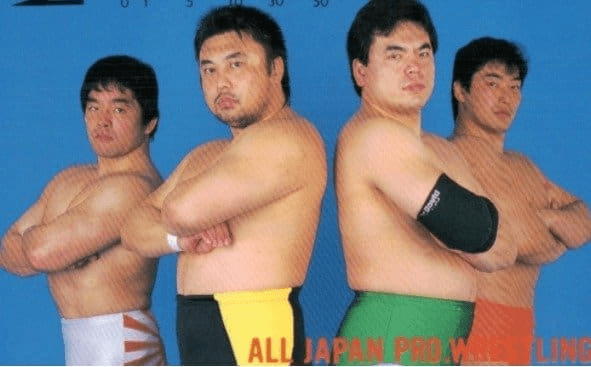
Perhaps Baba’s greatest contribution to wrestling was the development of the “King’s Road” (Ōdō) style, which became synonymous with AJPW in the 1990s. Though Baba himself wrestled a simpler style, he fostered a system that allowed talents like Mitsuharu Misawa, Toshiaki Kawada, Kenta Kobashi, and Akira Taue to create some of the most physically intense and emotionally driven matches in wrestling history. Baba’s philosophy prioritized in-ring excellence and storytelling over spectacle, and it paid off with critically acclaimed matches that still influence wrestling today.
Even as a promoter, Baba remained an active competitor well into the 1990s, often teaming with younger stars in multi-man tag matches. His presence added prestige and continuity to AJPW shows. Despite his age, he maintained a loyal fanbase who respected him not just as a wrestler, but as a symbol of wrestling’s golden era in Japan. He is considered one of the most beloved Japanese wrestlers ever, Baba was a national hero with a level of popularity in Japan comparable to that of Hulk Hogan in the United States.
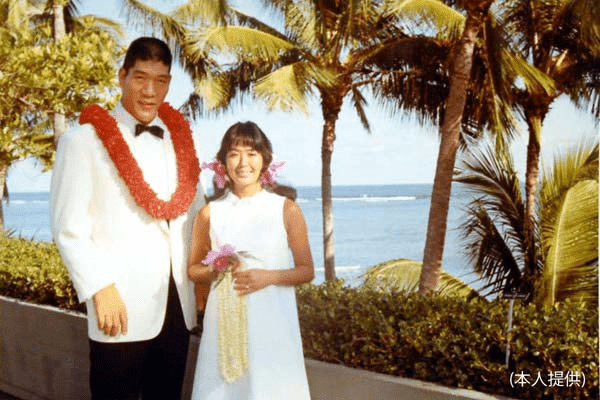
Baba married Motoko Baba, who would later play a significant role in AJPW’s operations after his passing. Known for his calm demeanor and business acumen, Baba was widely respected behind the scenes. Unlike some promoters, he was known for treating talent with fairness and maintaining stable relationships.
Giant Baba passed away on January 31, 1999, due to complications from colon cancer at the age of 61. His death marked the end of an era. Shortly after, AJPW experienced a major exodus of talent, leading to the formation of Pro Wrestling NOAH under Mitsuharu Misawa.
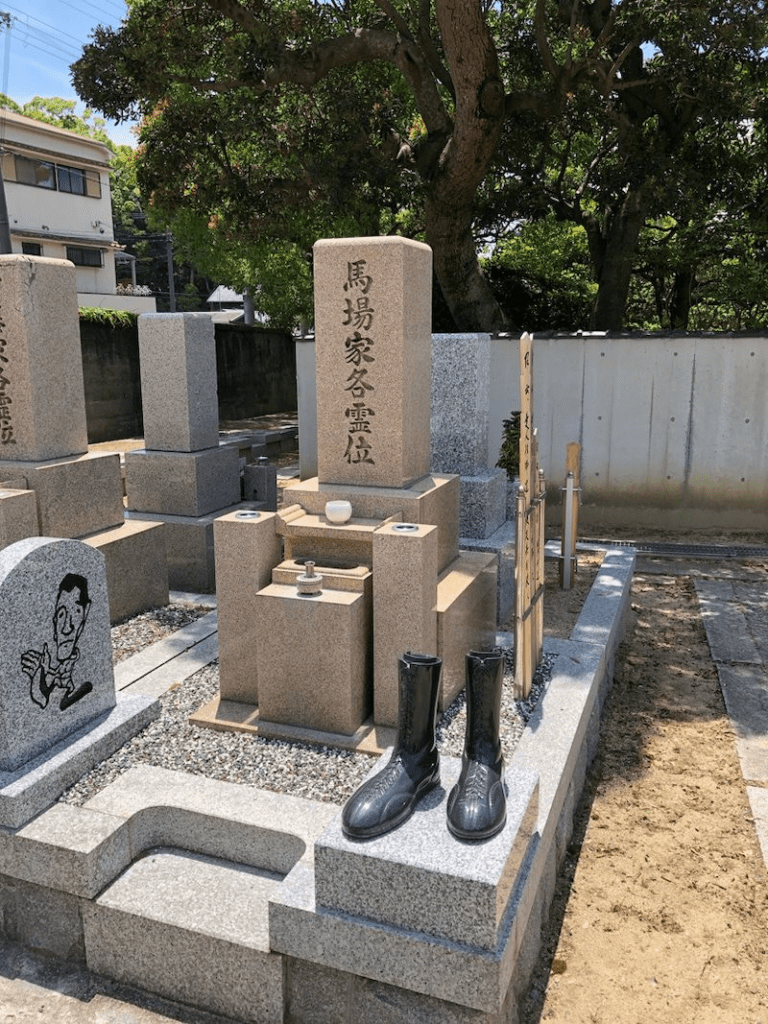
Giant Baba’s influence on professional wrestling cannot be overstated as a founding father of modern Japanese wrestling and mentor to some of the greatest in-ring performers of all time. In 2006, he was ranked in the Top 100 Historical Persons in Japan. Giant Baba wasn’t just a wrestler—he was a builder of legacies. From his early days as a towering rookie to his role as the architect of All Japan Pro Wrestling, Baba helped define what professional wrestling could be at its very best. His name remains synonymous with respect, tradition, and excellence—a true giant in every sense of the word.

James
I wish there’s more promoters like Giant Baba.
David Fullam
A top notch promoter and booker. Baba made All Japan a huge part of the NWA. A major stop for the NWA and AWA Champions. He made Destroyer Dick Beyer, the Funks, the Sheik, Abdullah the Butcher, Bruiser Brody, and Stan Hansen, Terry Gordy, and Steve Williams, into legends in Japan. He gave us King’s Road. Beloved and respected by his peers. He is greatly missed.