
Joe King
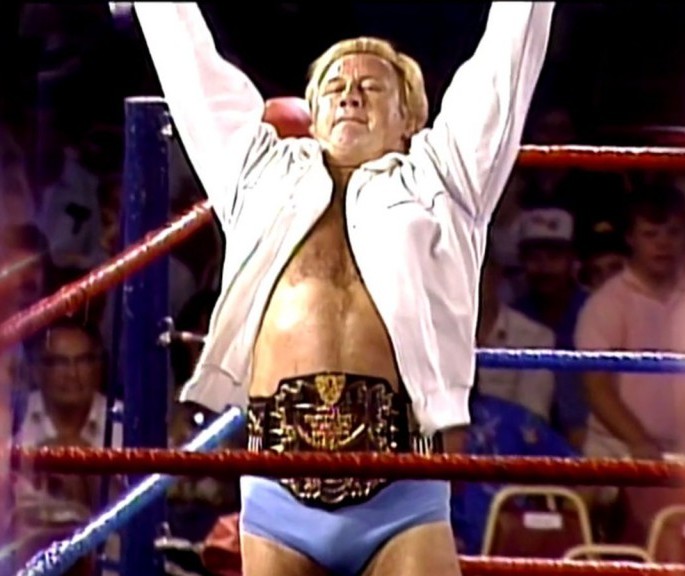
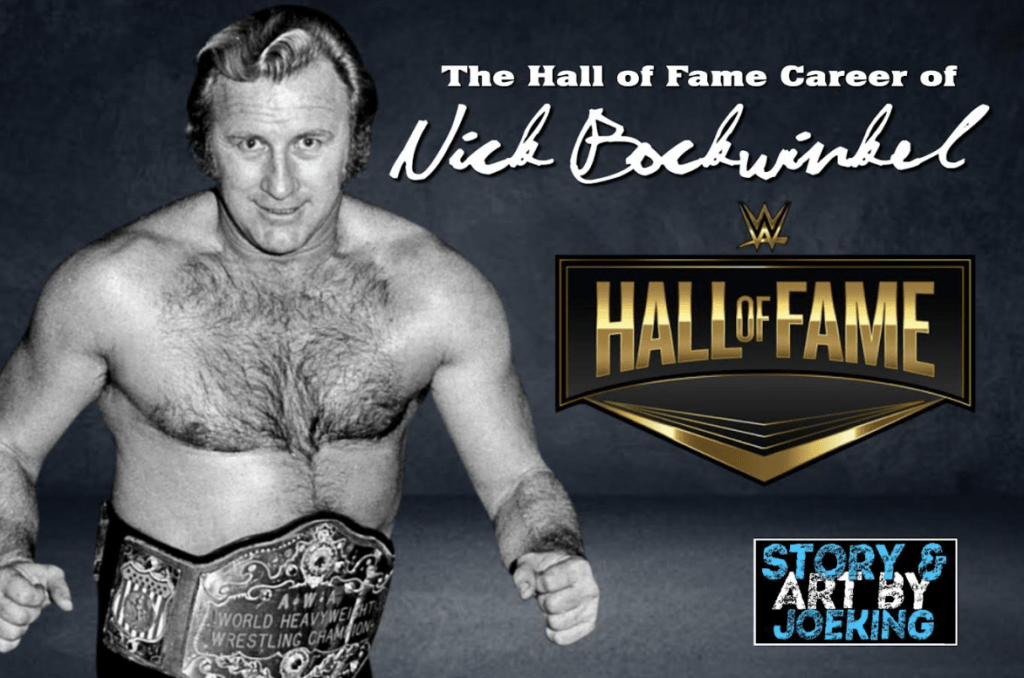
Nick Bockwinkel stands as one of the most technically gifted, intelligent, and believable world champions professional wrestling has ever seen. A cornerstone of the American Wrestling Association during its peak years, Bockwinkel combined old-school grappling, psychological mastery, and articulate promo work to become the definitive “thinking man’s champion.”
Early Life and Wrestling Roots
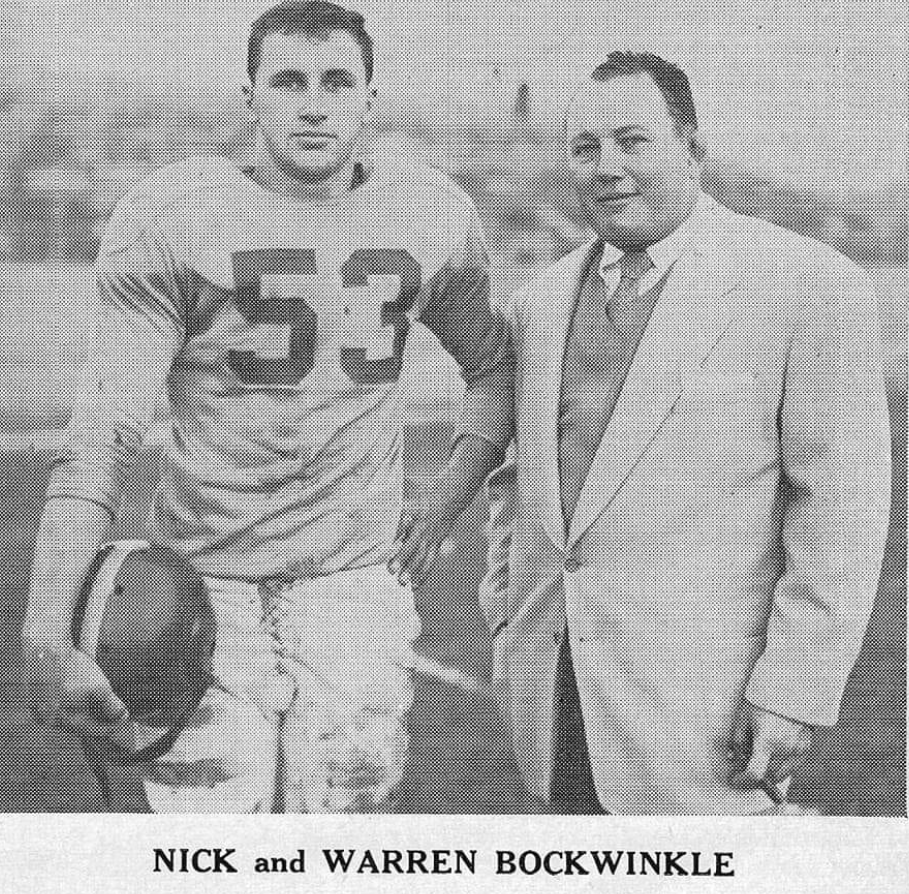
Nicholas Warren Francis Bockwinkel was born on December 6, 1934, in St. Louis, Missouri, into a wrestling family. His father, Warren Bockwinkel, was a respected wrestler, and Nick grew up immersed in the business. Unlike many of his peers, Bockwinkel was highly educated. Bockwinkel attended the University of Oklahoma on a football scholarship, playing for the Oklahoma Sooners until sustaining a pair of knee injuries that ended his football career and cost him his scholarship. Bockwinkel subsequently transferred to the University of California Los Angeles (UCLA)—studying marketing—where at the suggestion of his father he began wrestling to fund his studies. After graduating from UCLA, Bockwinkel was drafted into the United States Army in 1958; he spent two years in the Army, during which time he was stationed in Fort Ord in Monterey, California.
He broke into professional wrestling in 1954, training under his father and other veterans. Early in his career, Bockwinkel traveled extensively, honing his craft in territories across the United States, including California, Texas, Hawaii, and Canada. It was here that he developed his smooth, methodical in-ring style and the articulate, composed persona that would later define his legacy.
Rise in the AWA
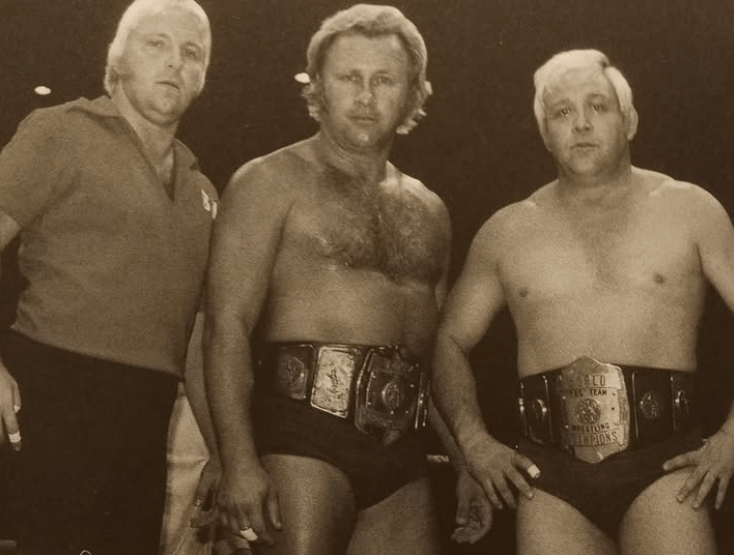
Bockwinkel’s career reached its peak in the American Wrestling Association under promoter Verne Gagne. Initially working as a tag team wrestler, he found success alongside Ray “The Crippler” Stevens, with Bobby “The Brain” Heenan as their manager. The trio became one of the most entertaining and effective units in wrestling—combining Stevens’ wild energy, Heenan’s unmatched charisma, and Bockwinkel’s calm, cerebral presence. Together they won many titles throughout the United States, along with being three-time AWA World Tag Team Champions. While his tag team success was impressive, Bockwinkel’s true legacy was cemented as a singles competitor.
AWA World Heavyweight Champion
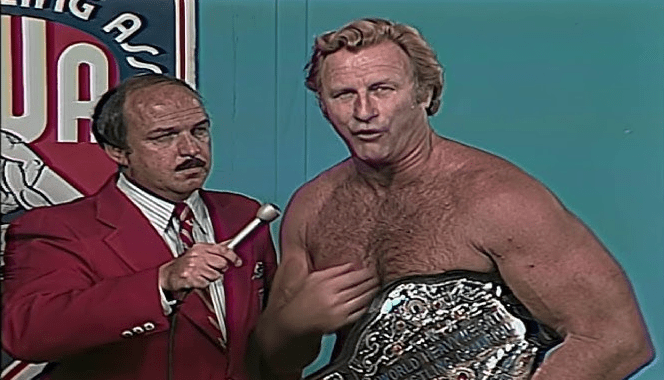
Nick Bockwinkel became a four-time AWA World Heavyweight Champion, first winning the title in 1975 by defeating Verne Gagne. This victory symbolized a shift in the AWA—from Gagne’s traditional babyface dominance to a more modern, villainous champion who relied on intelligence and cunning rather than brute force. Bockwinkel’s rivalries helped define an era. His rivalry with Hulk Hogan was perhaps his most famous rivalry. Their matches in the early 1980s were instrumental in Hogan’s rise to superstardom. A controversial finish in 1982, where Hogan appeared to win the AWA title only to have the decision reversed, remains one of wrestling’s most talked-about moments to this day.
What set Bockwinkel apart was his precision and believability. Every movement in the ring had purpose. He wasn’t flashy—he was efficient, strategic, and always one step ahead.
On the microphone, Bockwinkel was equally exceptional. In an era when many wrestlers relied on shouting and catchphrases, he delivered intelligent, articulate promos, often using sophisticated language that made him stand out as an elitist heel. Managed by Bobby Heenan, he formed one of wrestling’s most effective villainous combinations—brains, arrogance, and just enough rule-breaking to keep fans invested.
During this time, he remained on top in promotions all over the world such as All Japan Pro Wrestling, New Japan Pro Wrestling, Continental Wrestling, Southwest Championship Wrestling, National Wrestling Alliance, and even the World Wrestling Federation. He would feud with future legends such as Stan Hansen, Bruiser Brody, Larry Zbyszko, and Curt Hennig, becoming a four-time AWA World Heavyweight Champion. As the wrestling landscape shifted in the mid-late ’80’s with Vince McMahon’s national expansion, the AWA began to decline. He was then hired by Vince McMahon as a road agent for the WWF.
Post-Wrestling Contributions
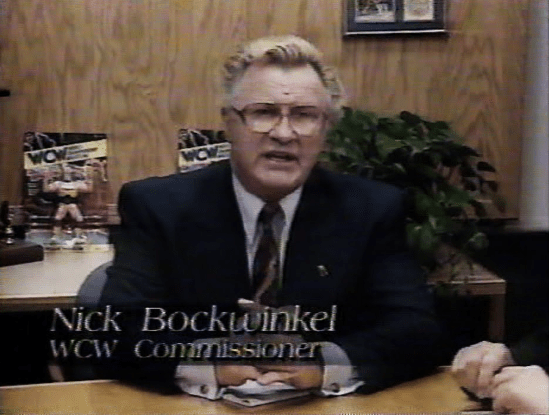
After retirement, Bockwinkel stayed involved in wrestling as an on-screen authority figure and commissioner, most notably in WCW from 1994-1995. He also worked as a trainer and ambassador for the sport, passing on his knowledge to future generations. In 2007, he was inducted into the WWE Hall of Fame, a fitting recognition for a man whose influence transcended promotional boundaries.
Nick Bockwinkel’s legacy isn’t built on spectacle—it’s built on credibility, intelligence, and mastery of the craft. He proved that a wrestler didn’t need to be the loudest or the largest to be the most compelling. For many historians and purists, Bockwinkel represents the gold standard of a believable world champion. Many fans of that era consider him to be one of the greatest technical wrestlers of all time.
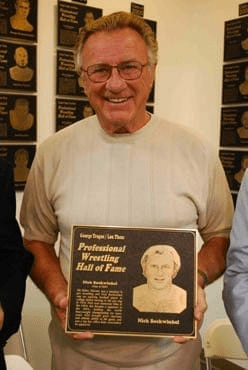
Nick Bockwinkel has an astonishing number of awards given to only the very best to grace the squared-circle. Some of those awards include:
•Wrestling Observer Newsletter Hall of Fame in 1996
•Professional Wrestling Hall of Fame and Museum in 2003
•World Wrestling Entertainment Hall of Fame in 2007
•George Tragos/Lou Thesz Professional Wrestling Hall of Fame in 2009
•National Wrestling Alliance Hall of Fame in 2016.
•Pro Wrestling Illustrated gave Bockwinkel its Stanley Weston Award (a lifetime achievement award).
• Cauliflower Alley Club gave Bockwinkel its Iron Mike Mazurki Award in 2009.
While he may not always be the first name mentioned in mainstream discussions, among those who understand the art of professional wrestling, Nick Bockwinkel is rightfully regarded as one of the true legends of the business.

David Fullam
Perhaps the best arrogant, blue blood, upper-class heel of all time.