Craig Wilson
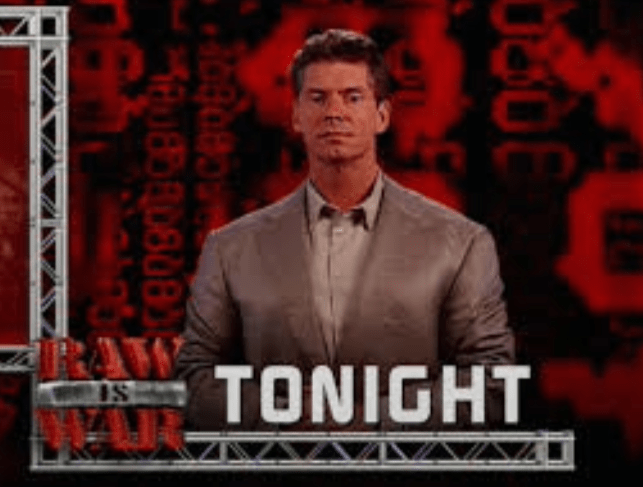
On the 15th of December 1997 episode of Raw is War, to start the second hour, Vince McMahon cut a charged promo in which he outlined the changes ahead for his company. In this ‘Remember When?‘ we look back at a promo widely regarded as the birth of the Attitude Era.
The WWF was firmly in hot water. Although boasting a series of old hand WWF performers, the WCW was on a white-hot streak and besting their rivals in the ratings war.
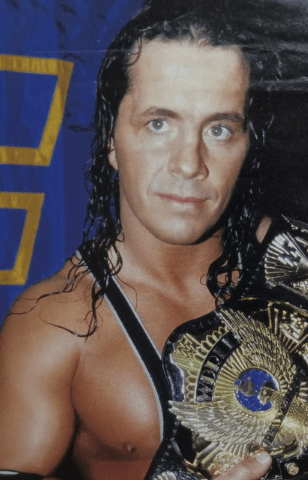
There were some causes for optimism at Titan Towers, though, with the likes of Stone Cold Steve Austin, Mankind and The Rock suggesting there was some hope for the future. But one of the biggest problems facing McMahon was his champion, Bret ‘The Hitman’ Hart and being tied into a 20-year contract with him.
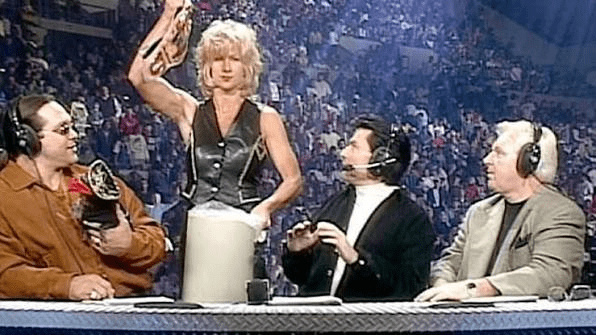
After allowing his champion to negotiate with Ted Turner’s WCW, it caused a paranoid McMahon, still with the image of Alundra Blayze dumping the WWF women’s title in a dustbin on Nitro, to fear that Hart would show up in WCW with the WWF gold.
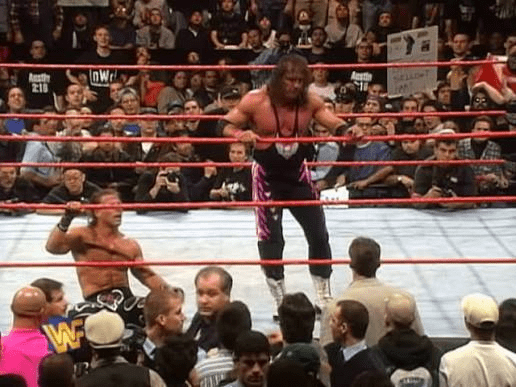
It was a paranoid fear that would result in the ‘Montreal Scewjob’, one of the most infamous moments in wrestling history but a story we all know well enough as to not require more retelling. Suffice to say, the title was removed from Hart’s waist by Shawn Michaels at the 1997 Survivor Series.
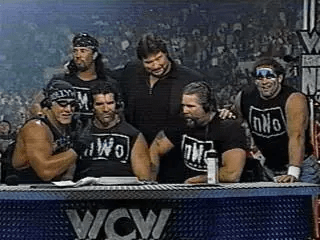
At this point, the WWF were trailing badly to a faction led by Hulk Hogan, their former centrepiece, and the hottest thing in wrestling: the nWo. To combat this, McMahon would eventually increase the levels testosterone in his own product while also amplifying both the levels of violence and sex appeal.
On Raw on December 15th, 1997, he told us exactly what he was about to do.
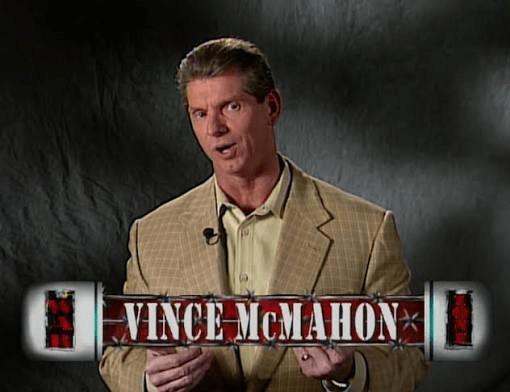
In a segment, where McMahon would practically tear down the fourth wall, he would say: “This is a conscious effort on our part to open the creative envelope, so to speak, in order to entertain you in a more contemporary manner.”
Continuing, McMahon would state: The WWF extends far beyond the strict confines of sports presentation into the wide-open environment of broad-based entertainment. We borrow from such program niches like soap operas like The Days Of Our Lives or music videos such as those on MTV, daytime talk shows like Jerry Springer and others, cartoons like The King Of The Hill on Fox, sitcoms like Seinfeld and other widely accepted forms of television entertainment.
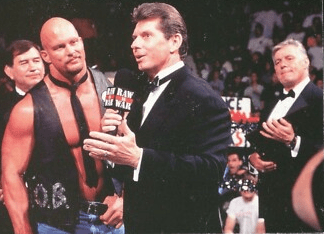
As well as changing the direction of his company, it would also see McMahon continue his journey from commentator renowned for endlessly stating “what a maneuver” to a hated heel and one of the most important parts of the Attitude Era and the foil to Stone Cold Steve Austin.
Sure, it wouldn’t take him long to stop heeding his own words from this promo but its importance cannot be understated. Not only did it continue McMahon’s journey but it also differentiated his company from that of Turner’s – a point sometimes lost.
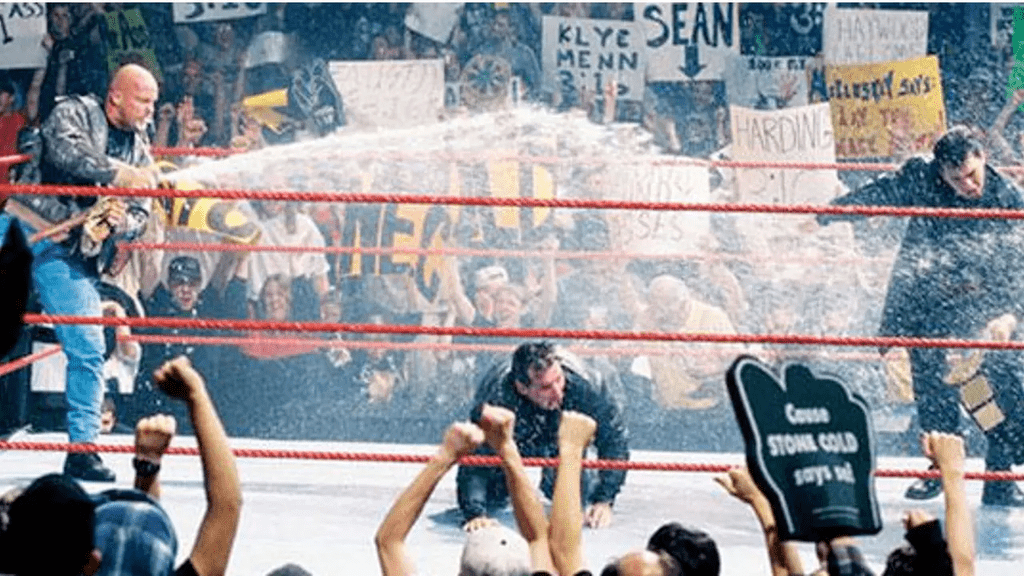
Here was McMahon, under threat from WCW and with the edgy Extreme Championship Wrestling proving popular, although not to the same extent as the two others, the decision was made to embrace the edgy nature and move away from the safe WWF of old.
It was a classic case of ‘adapt or perish’. Fans had grown weary of the cartoony nature of the WWF and those youngers who grew up on a diet of Hulkamania during the 80s were now of a mature age and found their home in WCW.
Vince McMahon’s company would thrive, and indeed survive, because it was able to make that shift into something new just as it had shown it was able to do with the advent of “Rock ‘n’ Wrestling” boom period in the ’80s.
As McMahon told fans back in 1997, “One of the reasons for that longevity is: As the times have changed, so have we.”
Some can, and will, argue that such a change is needed now. But one thing is for sure, had that change not happened in 1997 then it’s unlikely we’d be taking about Vince McMahon’s company now in any way other than the past tense.
