
Joe King
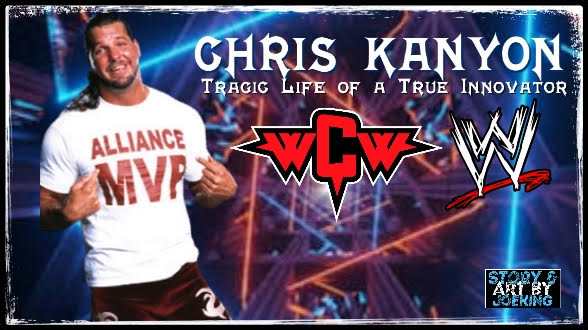
Chris Kanyon, born Christopher Morgan Klucsarits on January 4, 1970, was one of professional wrestling’s most creative in-ring performers of the late 1990s and early 2000s. Best remembered for his time in WCW and WWE, Kanyon combined athleticism, originality, and a deep love for the business. Despite never reaching true main-event status, his influence on modern wrestling is undeniable—and his story remains one of both brilliance and heartbreak.
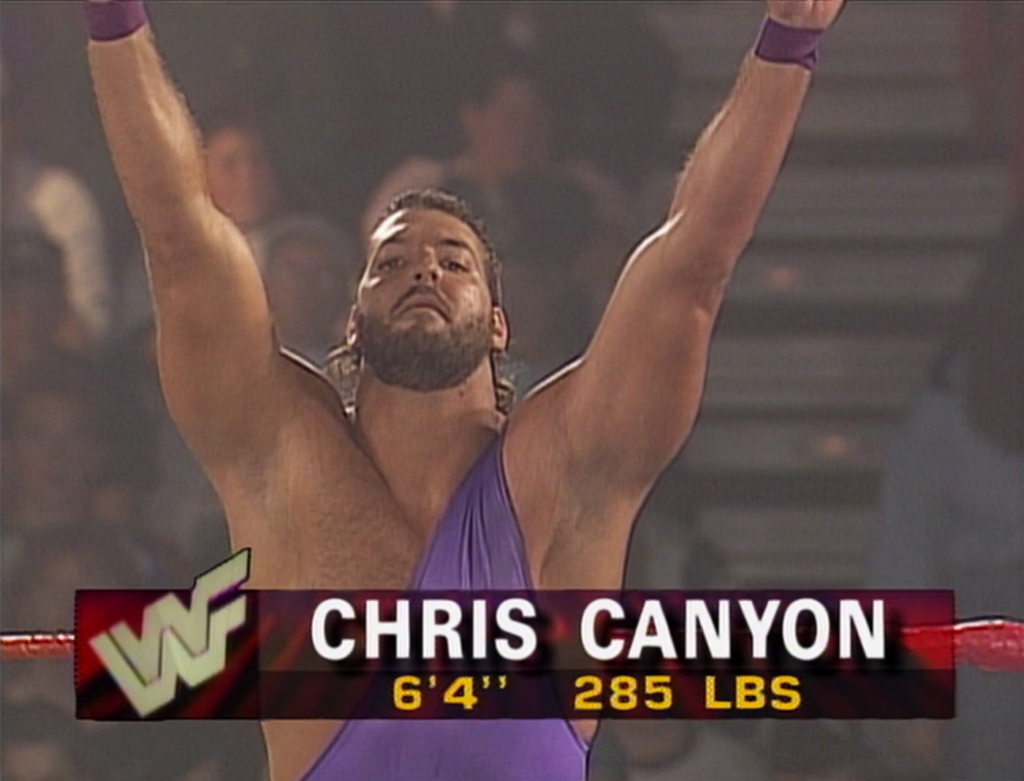
In 1992, he graduated from the University at Buffalo with a bachelor’s degree in physical therapy, working full-time as a physical therapist for three years before becoming a wrestler. After college, he began training under Pete McKay Gonzalez, Ismael Gerena and Bobby Bold Eagle at the Lower East Side Wrestling Gym in Manhattan, debuting in 1992. Kanyon worked as a physical therapist for the next couple of years, wrestling on weekends and in the evenings. His friend and future manager James Mitchell saw potential in him and sent him for training with The Fabulous Moolah in South Carolina and with Afa at the Wild Samoan Wrestling School. In late 1994, he made several appearances with the World Wrestling Federation as a jobber, facing wrestlers such as Shawn Michaels, Diesel, Tatanka and Bob Holly.
WCW
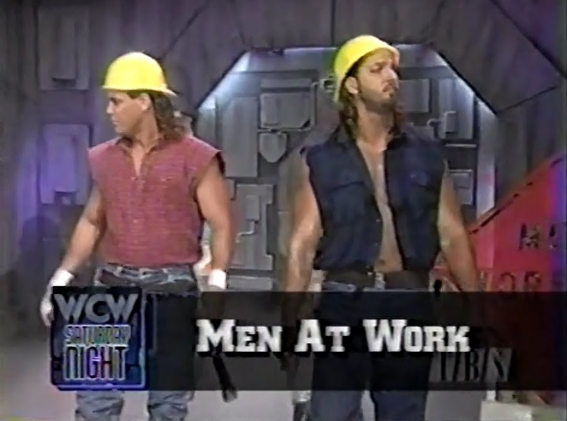
Kanyon’s career didn’t immediately take off in World Championship Wrestling. He was first paired up with Mark Starr as “Men At Work”, a team that wore construction workers hardhats and vests and brought measuring tapes to the ring. He started to gain a reputation as a solid worker in the ring and WCW management began looking for somewhere to fit him in on the main card. Eric Bischoff was bringing in longtime journeyman Ray Lloyd as Glacier and he needed an opponent.
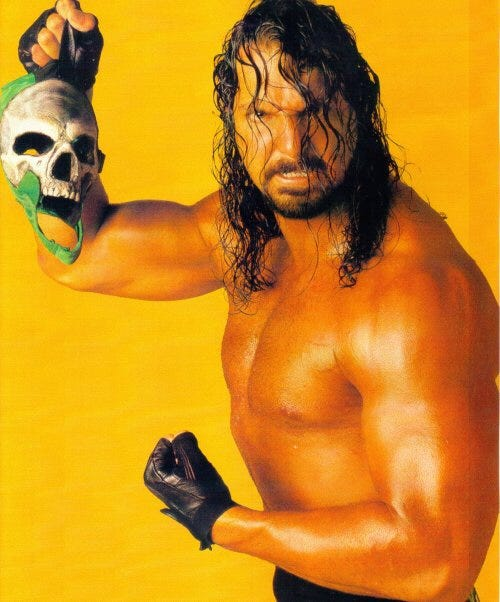
Vignettes would begin to air for the “Blood Runs Cold” storyline to hype up the impending arrival of Glacier. Chris would become Mortis(Latin word meaning ‘Death’), an evil Mortal Kombat inspired character who would be aligned with James Vandenberg. Though the gimmick was short-lived, Mortis showcased Kanyon’s athleticism and willingness to embrace creative risks—qualities that defined his career.
After a feud with Raven, the two would then turn on Flock member Perry Saturn. He teamed with Raven until in storyline, Raven was sidelined with depression and Kanyon took time away from his wrestling career to work as stunt coordinator and stuntman on The Jesse Ventura Story.
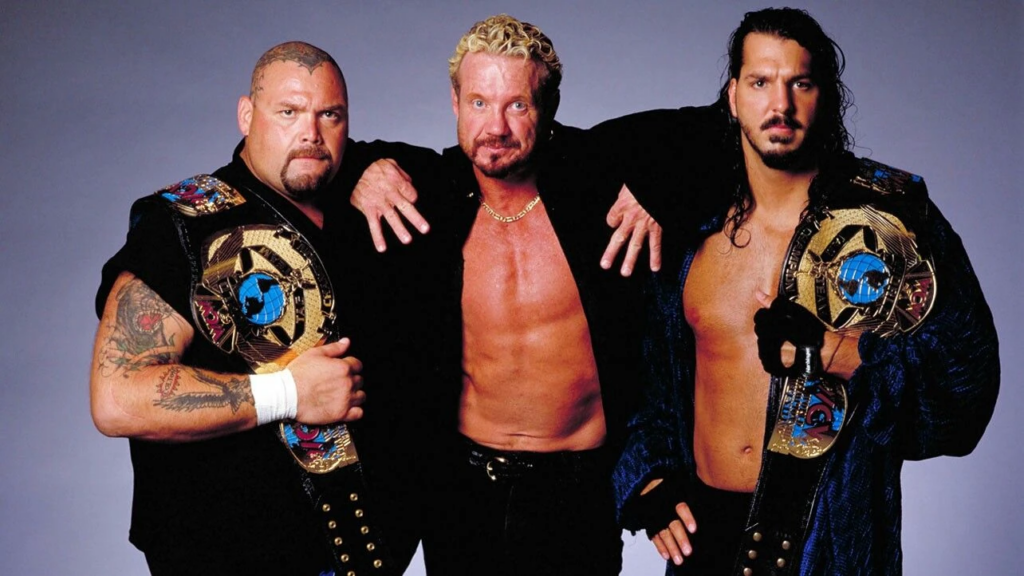
Chris began teaming with Bam Bam Bigelow and Diamond Dallas Page in 1999 as part of The Jersey Triad. Kanyon benefited greatly from DDP’s mentorship. Together they would become WCW World Tag Team Champions. The Triad disbanded shortly thereafter, with Kanyon once again placing his wrestling career on hiatus to work on the WCW produced film Ready to Rumble, where he served as stunt coordinator and as the stunt double of lead actor Oliver Platt.
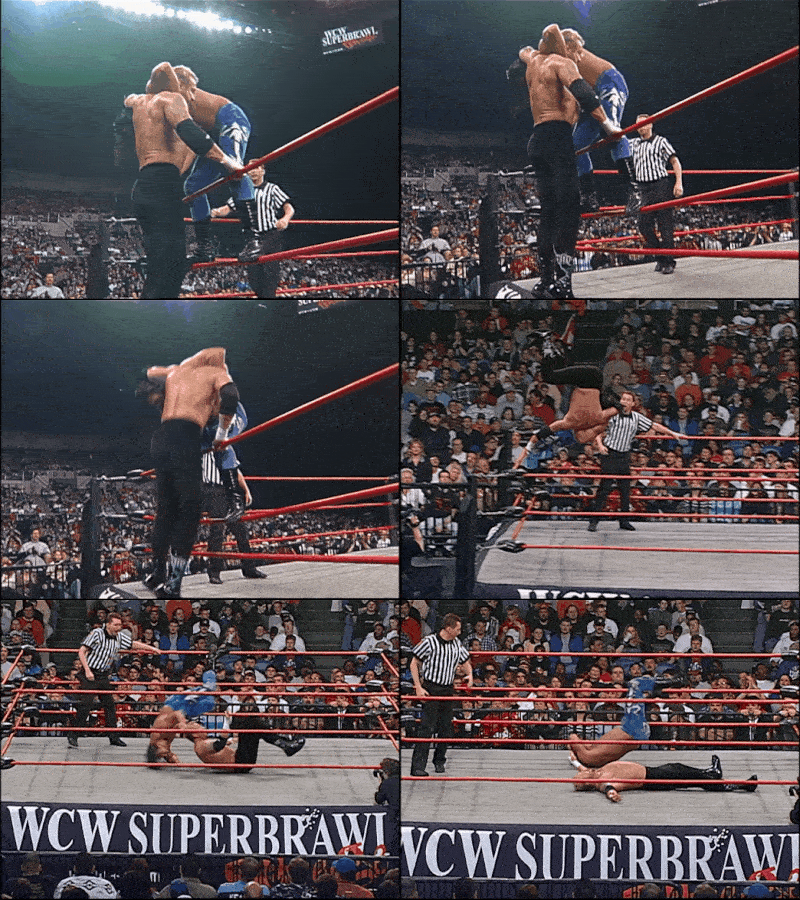
It was during this run that Kanyon became known as “The Innovator of Offense.” He unveiled a wide array of never-before-seen or rarely used moves, constantly reinventing his arsenal. His most famous creation was The Flatliner. But he would also be the very first to do several other moves including the Buckshot Lariat, Electric Chair Facebuster, Middle-Rope Samoan Drop, Hanging Neckbreaker, and the Torture Rack Neckbreaker.
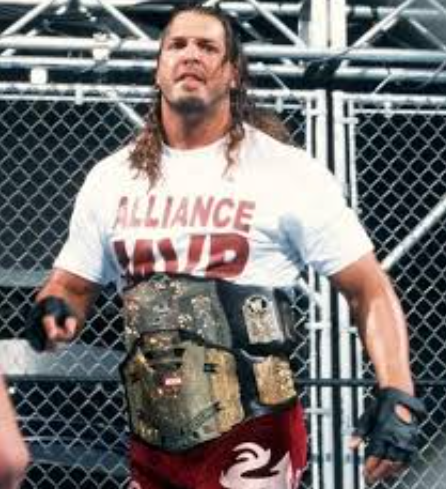
After the WWF’s buyout of WCW, Kanyon would be signed and brought in as a member of the WCW/ECW Alliance faction. He would name himself “The Alliance MVP” after fellow Alliance member Booker T gave him the WCW United States Championship. Just two weeks later, he would also became a WWF World Tag Team Champion with Diamond Dallas Page after beating The Acolytes. His in-ring consistency and willingness to make opponents look great earned him strong respect backstage.
Despite occasional highlights and strong matches, Kanyon never found a sustained push in WWE and was released in 2004. Behind the scenes, Kanyon battled bipolar disorder, anxiety, and depression. In 2006, he publicly came out as gay, making him one of the first openly gay professional wrestlers of his era—an incredibly brave move in an industry not known at the time for inclusivity. Kanyon later alleged that he faced discrimination and mistreatment in WWE due to his sexuality, claims that sparked ongoing debate and reflection within the wrestling community about mental health and locker room culture.
Death & Legacy
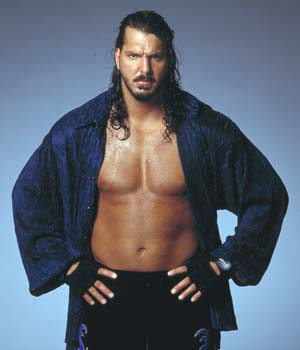
Chris Kanyon tragically died on April 2, 2010, at the age of 40. His death was ruled a suicide, sending shockwaves through the wrestling world and prompting renewed discussions about mental health awareness, particularly among performers. In the years since, Kanyon’s legacy has grown. Wrestlers and fans alike now openly credit him as a true innovator, a performer ahead of his time whose ideas helped shape modern wrestling’s fast-paced, creative style.
Final Thoughts
Chris Kanyon may never have been a world champion or a household name, but his influence echoes throughout wrestling today. Every sudden creative counter or unconventional transition owes something to The Innovator of Offense. His story serves as both a celebration of creativity and a reminder of the importance of compassion, inclusion, and mental health awareness.
Kyle Prescott
Sad story and a good overview of it. Would have liked to see you touch on the Stern shows where an obviously on the edge Chris was pushed further by both Howard and Ric Flair.
Superunknown
I remember Chris on Howard Stern. He really was showing his true self on Stern. It really bothered him when Cena & Flair said he wasn’t all that good. He did deserve more respect than that. Kanyon wasn’t a world champion or anything, but he damn sure contributed a hell of a lot to the business that he loved so dearly.