
Griffin Kaye
Few hangmen were quite as prolific or high-profile as James Billington, a man described as being “as famous as The Beatles.”
As well as presiding as the executioner over several historically significant hangings, he brought to the gallows some of the most disturbing and memorable killers of the era from Jack the Ripper candidates to those written about by Oscar Wilde.
His legacy is also that of an ancestor of British wrestling royalty.
The Wrestling Connection
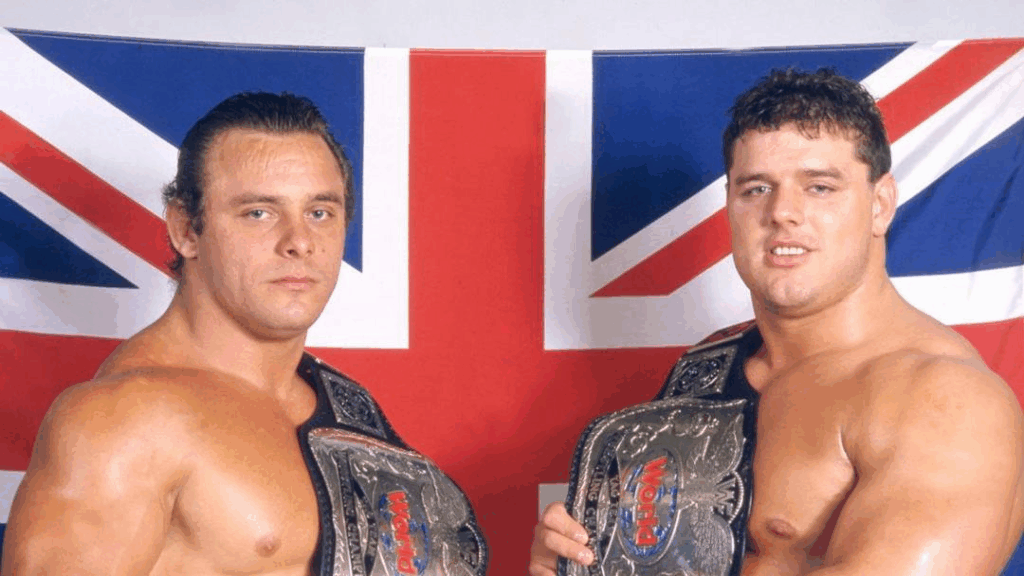
James Billington was an ancestor of cousins The British Bulldog (Davey Boy Smith) and The Dynamite Kid, with whom he shares a surname.
Heath McCoy, author of Passion and Pain: The History of Stampede Wrestling, has commented however that “it’s not clear whether [James Billington is] Dynamite’s ancestor.”
Bret Hart attests that Dynamite Kid’s lineage could be traced back to James.
In Ring of Hell: The Story of Chris Benoit & The Fall of the Pro Wrestling Industry, author Matthew Randazzo writes that “the Billington clan was so infamous for its viciousness that it had once held the office of local executioner by birth.”
It is also reported that James himself was a wrestler although this has been little-documented.
Early Days
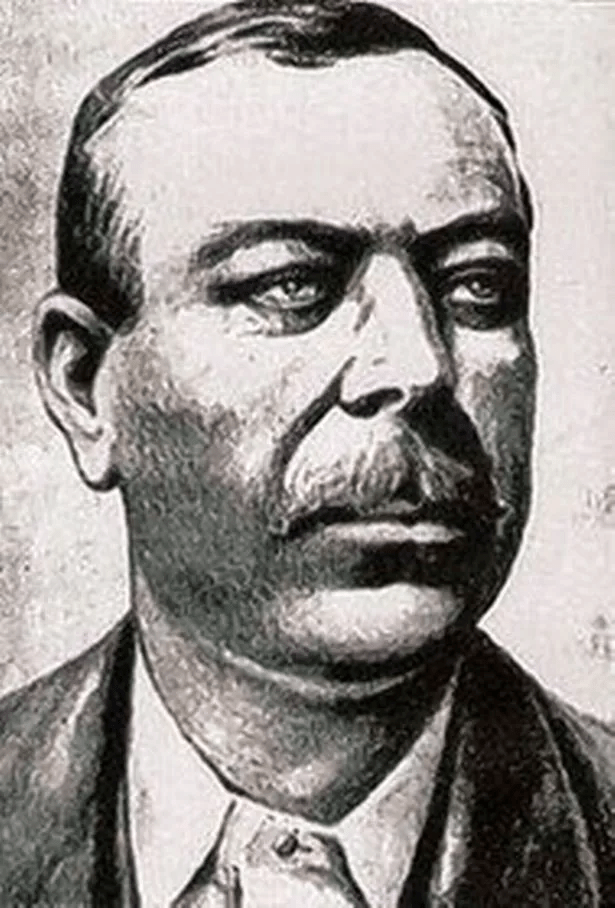
James was one of seven children born to Mary and James Billington, born in Preston, Lancashire.
According to Steve Fielding’s
The Executioner’s Bible, by 1859, when James was 16, his family relocated south to Bolton. Here, he is thought to have witnessed several public executions at Salford’s New Bailey Gaol or Liverpool’s Kirkdale Prison.
In 1868, new prime minister and One Nation Conservative Benjamin Disraeli passed the non-partisan piece of legislation the Capital
Punishments Amendment Act 1868, which put an end to public executions in Great Britain. Billington was 21 at the time.
As well as his aforementioned time as a wrestler, he also worked as a coal miner and cotton mill worker.
First Hanging
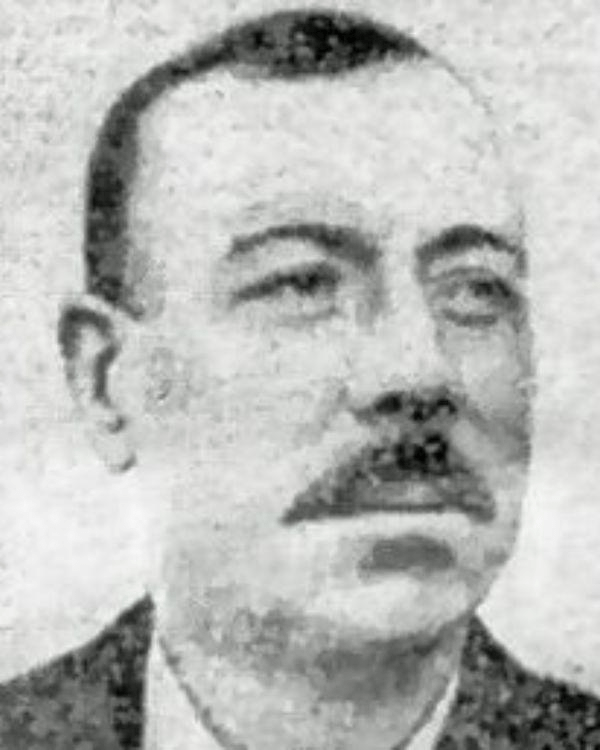
1883 saw Billington’s first major moves in becoming a hangman when he auditioned for the post of Executioner for the City of London and Middlesex. He was one of the shortlisted candidates of the hundred-plus applicants but fell short to Bartholomew Binns, a man whose career was “littered with numerous complaints of drunkenness and incompetence,” including one execution where the condemned took 13 minutes to die.
Unperturbed, Billington continued to send applications to other prison authorities. Nottingham rejected his offer after he requested to hang a man convicted of manslaughter. Manslaughter was not a crime punishable by death.
Nonetheless, in 1884, Billington hanged his first murderer, Joseph Laycock – a man who had cut the throats of both his wife and four children.
Character Traits
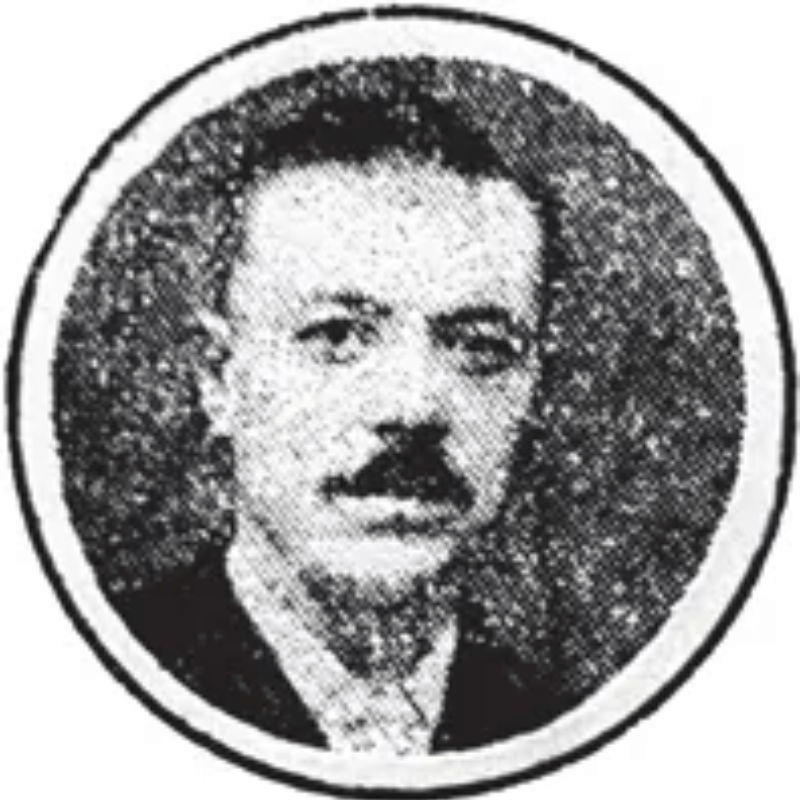
Billington became noted for his distinctive clothing at the executions he administered, wearing thick gardeners’ gloves and a black skullcap.
He told the Edinburgh Evening News that “for the purpose of my experiments, I made a small scaffold and erected in my yard at home, using dummies and weights as my subjects.”
However, he denied hanging cats and dogs, a similar allegation of which was levelled against the aforementioned Binns.
Another story is that to try for his role, he would kill rats with his teeth.
Chief Executioner
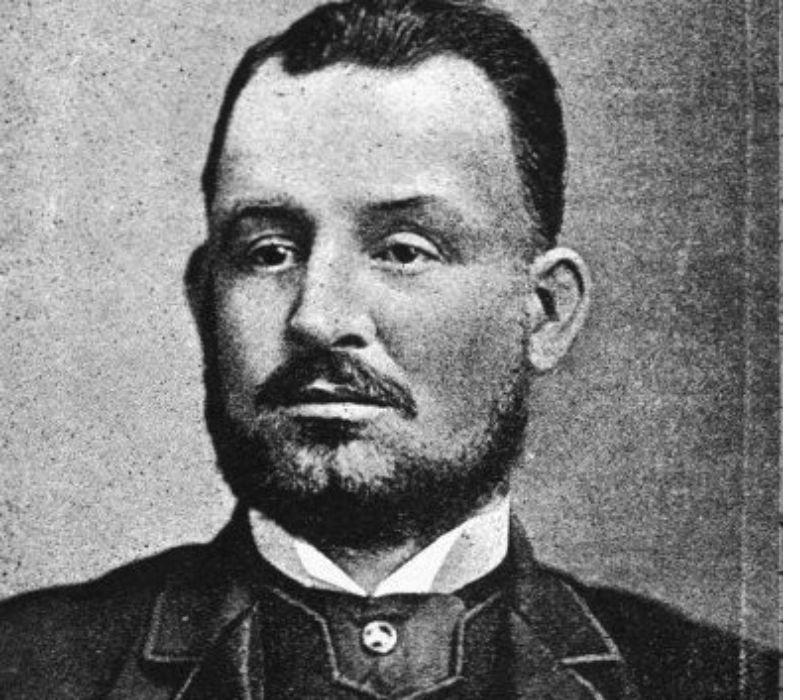
Pictured above: James Berry
In 1891, the Home Office chose Billington to succeed James Berry as the Chief Executioner of Great Britain and Northern Ireland.
That year, he would preside over his first execution outside of Yorkshire.
In December, he would lead three separate executions in just eight days.
Cream Of The Chop
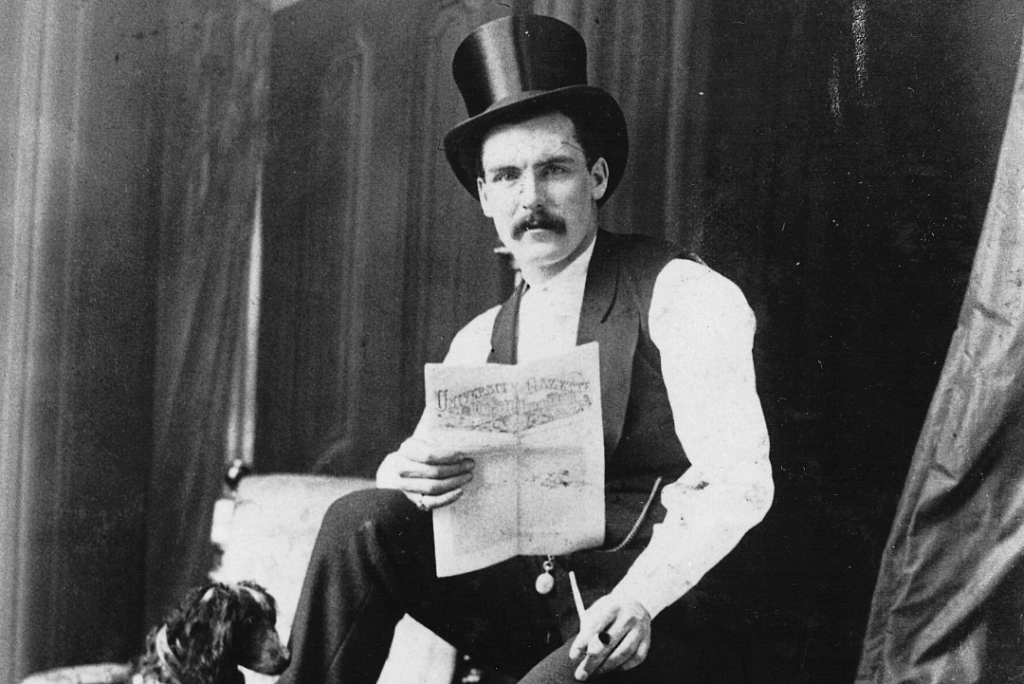
In 1892, Billington hanged Thomas Neil Cream, a man who committed a swathe of murders across Canada, the United States, and Britain.
Known as “The Lambeth Poisoner”, on the gallows, his last remarks were “I am Jack the…” before the lever was pulled.
Believed to be a confession he was the notorious Whitechapel murderer, Billington seemed to genuinely believe he had killed the most famous unknown killer in British history.
Despite records showing he was detained at Chicago’s Joliet State Penitentiary at the time, Billington was “certain that [they] were one and the same.”
One postulated theory throws up the possibility he did not say he was “Jack the…” but rather declaring “I am ejaculating” after losing control of his bodily functions while awaiting his fate.
A Triple Hanging
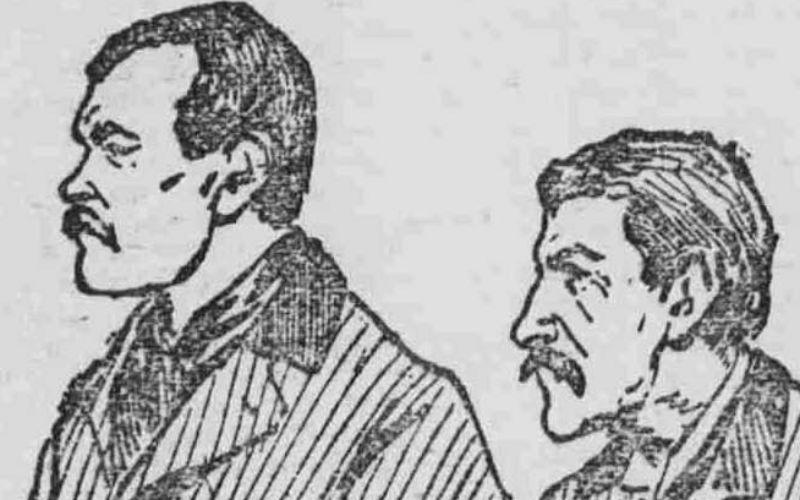
In 1896, he oversaw the triple execution of Albert Milsom and Henry Fowler (the Muswell Hill murderers), and William Seaman. According to Illustrated Police News: “The trap fell, the bodies dropped like plummets to the extent of the rope, and the dull, sickening cracks and quivering jar of the three swaying ropes were all that told of three instantaneous deaths.”
During the event, Billington nearly seriously injured assistant William Warbrick when the lead pulled the lever, oblivious to the fact Warbrick was still on the gallows.
Risking serious injury by being planted into brick-lined pit from a great height, he was just able to grab the legs of the criminal who he was pinioning.
The triple killing was at one point scheduled to be a quadruple hanging, which would also involve Amelia Dyer, though her sentence was later pushed to the next day.
Amelia Dyer
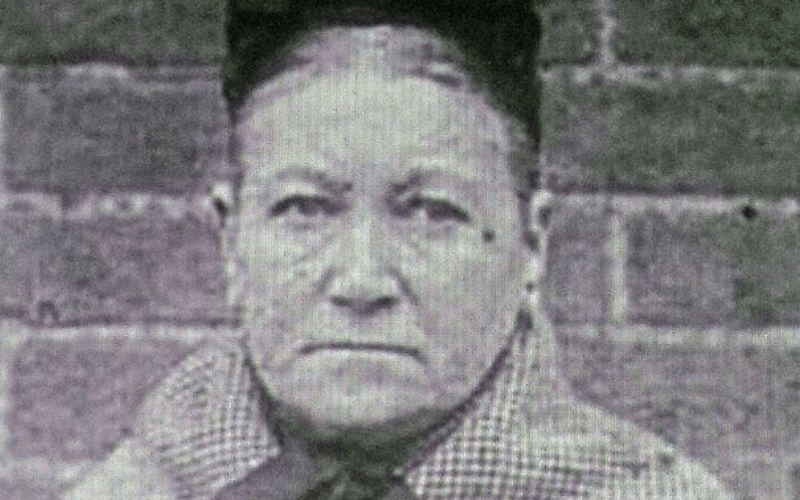
On June 10th, the infamous “Baby Farmer” Amelia Dyer was dropped at Newgate Prison.
At the time, baby farming was a common practice among less-fortunate British mothers, who would pay a fee for their baby to be given to a new carer.
For financial gain and her own sadistic pleasure, after days of caring for the baby, she would kill the infants and then take in another.
It has been speculated that across three decades, she may have killed as many as 400 babies. The Daily Mail has referred to her as “Britain’s worst ever serial killer.”
In the end, just one murder charge was enough to send her to her death after the jury took four and a half minutes to find her guilty.
The so-called “Ogress of Reading” soon had her own ballad, which went:
“The old baby farmer, the wretched Miss Dyer At the Old Bailey her wages is paid. In times long ago, we’d ‘a’ made a big fy-er
And roasted so nicely that wicked old jade.”
She is also one of the more out-there Jack The Ripper suspects.
With Billington acting as the hangman, the 57 year-o-d was the oldest woman to face the gallows since 1843.
The Final Triple Execution
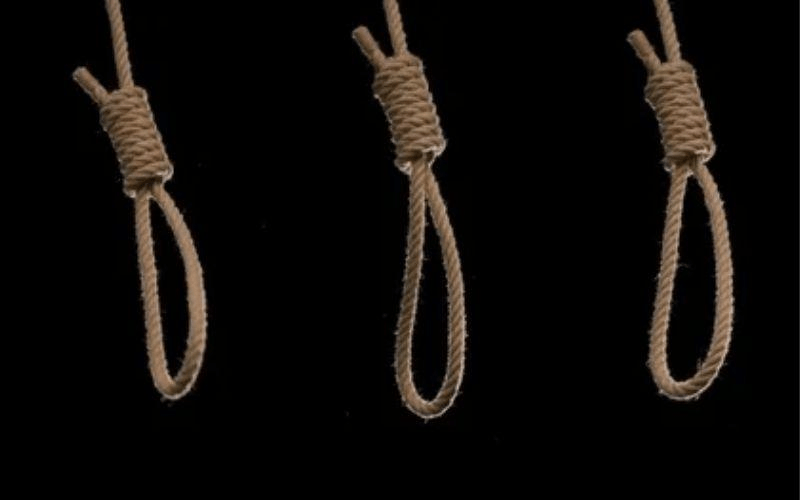
On July 21st 1896, he officiated the last triple execution in Britain. At Winchester Prison, three murderers – 32-year-old Philip Matthews, 24-year-old Frederick Burden, and 18-year-old Samuel Smith – were hanged. Although Matthews and Smith died immediately, Burden’s body was said to have convulsively jerked for several moments.
This marked the last triple execution on the British Isles.
The First Execution Of The 20th Century
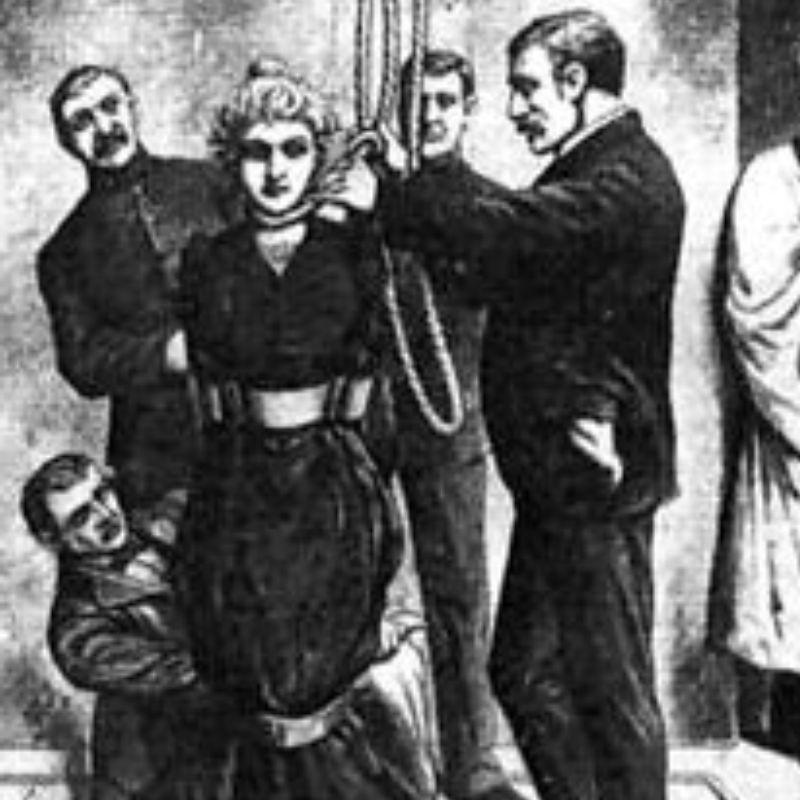
Billington was the hangman for the first hanging of the 20th century when he pulled the lever to carry out Louise Masset’s death sentence.
Masset had been sentenced to “be hanged by the neck until she was dead” after she had killed her illegitimate son Manfred. She had left him in the Dalston Junction Station women’s toilet, naked except a black shawl after beating him with a brick and suffocating the innocent infant.
On January 9th, it was Billington who would launch her into eternity – to use a popular phrase of the time.
Billington’s Last Stand
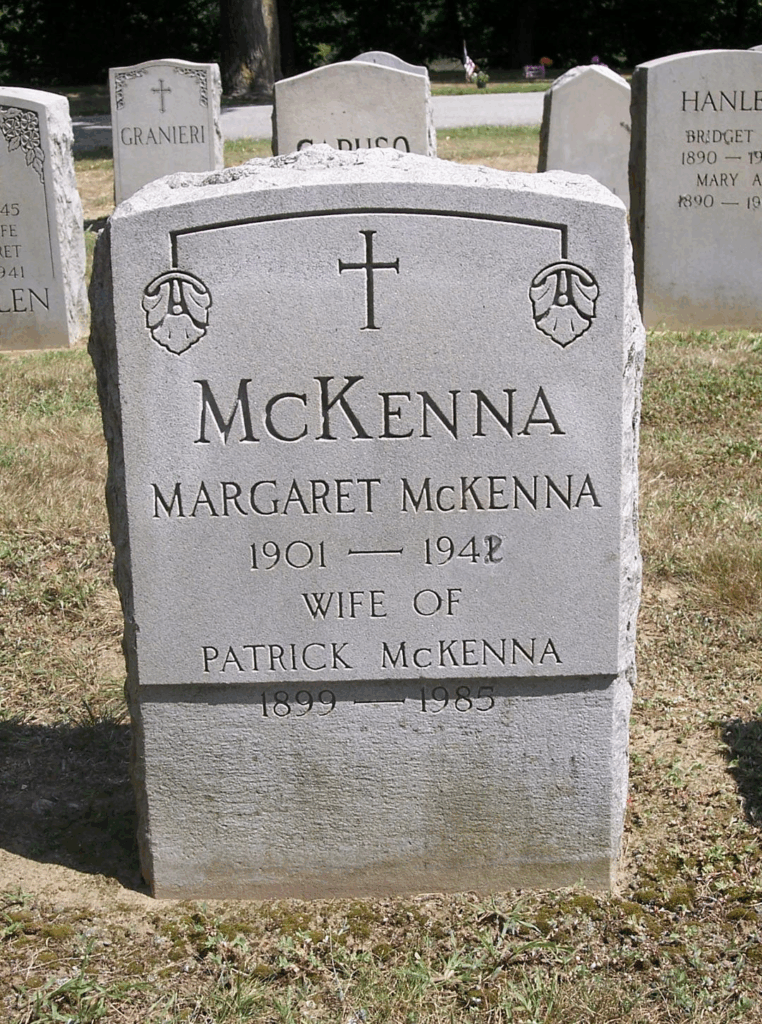
The final execution administered by Billington occurred mere days before his death, when he killed a man he is said to have known well.
Patrick McKenna was the man to face the dreaded drop after he killed his wife. A joiner by trade, he became a labourer and after his wife refused to give him two pence for alcohol, he stabbed his wife in the throat.
Despite suffering from a serious illness, Billington still pushed ahead with the execution, even if he later remarked to assistant Henry Pierrepoint, “I wish I had never come.”
On December 3rd, Billington would nonetheless pull the lever and hang McKenna at Strangeways Prison in Manchester.
Billington returned home to Bolton and would pass away just ten days later, aged 54, from chronic emphysema.
The Oscar Wilde Connection
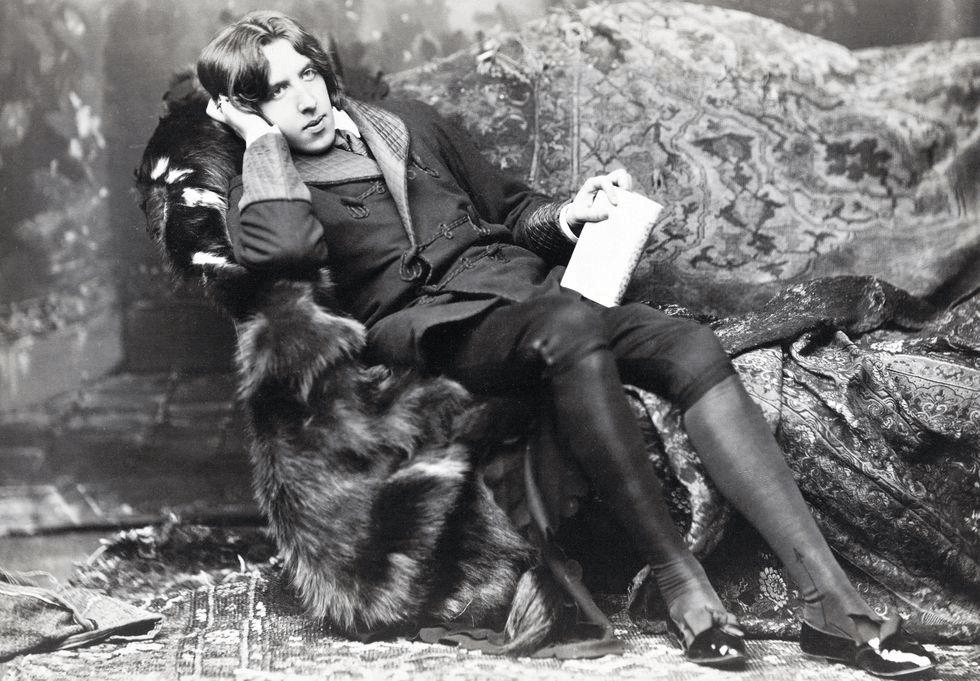
Billington would be the hangman for two killed criminals associated with the legendary Irish writer.
In 1894, James Canham Read was sentenced to death for the murder of the 23-year-old Florence Dennis, who was found killed in a field after being shot in the head. She was eight months pregnant at the time.
He was convicted on purely circumstantial evidence. Even the support of high profile figures such as Robert Williams Buchanan and Eugen Oswald could not save Read, nor could petitioning Home Secretary (and future prime minister) H. H. Asquith.
A media circus, the publicity of the case and trial is thought to have partially influenced Wilde’s The Importance of Being Earnest, one of the writer’s most iconic and famous works.
Additionally, in 1896, Billington was the executioner of Charles Thomas Wooldridge, who was immortalised as the inspiration for Wilde’s final work The Ballad of Reading Gaol. The book is credit to “C. T. W.”
At the time, Wilde was serving out a sentence of two years’ hard labour for a charge of gross indecency after having had a homosexual relationship. Also at Reading Gaol was Wooldridge, in prison for the murder of his wife after cutting her throat.
Having seen him in the prison yard, Wilde penned his poetic magnum opus.
Wooldridge seemed resigned to his fate. Although the jury in his trial recommended clemency, he petitioned the Home Secretary Sir Matthew White Ridley to allow the sentence to be carried out.
As Wilde put it:
“The man had killed the thing he loved
And so he had to die.”
Billington had made the drop longer than regulated, meaning that his neck would be stretched “an almost incredible eleven inches.”
Wilde wrote:
“They mocked the swollen purple throat
And the stark staring eyes.”
He too added he was “buried in a pit of shame”, which the author David Wilson has explained was “the final ignominy that the state was able to heap on him.”
Billington: A Human Side

Although we may picture him as a dour hangman, Billington too had a human side.
As well as an executioner, he was also a publican and barber. The pub was the Derby Arms in Bolton and the barbers was on Market Street in Farnworth.
He too seemingly liked a practical joke. On one occasion, he pretended he was a waxwork at a murderers display to scare unwitting visitors.
Family Legacy
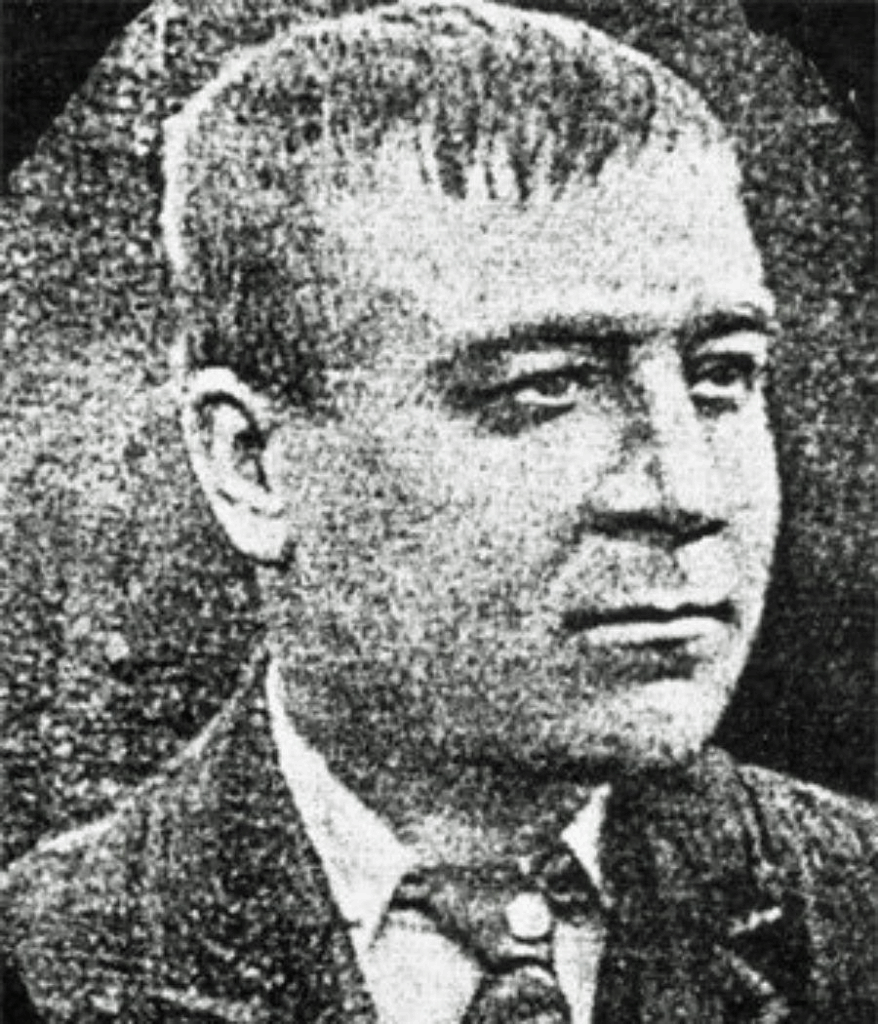
Pictured above: William Billington
James Billington died in December 1901.
Howard Engel credits him with 147 executions. This total includes 27 hanged at London’s Newgate Gaol, such as the aforementioned Cream and Dyer.
Tragically, just one month after James died, so did son Thomas. Aged just 29, he died of pneumonia.
Upon his father’s death, William became the nation’s principal executioner.
He was to carry out 60 executions in England and Wales and is thought to have assisted at 15 others.
At the same time, his brother John was added to the Home Office’s approved list of executioners in 1902. He carried out 14 hangings in England and Wales, having assisted William at 24.
In 1902, William would carry out the last execution at Newgate Prison and on September 30th, delivered the first hanging at Pentonville prison.
In 1903, the last execution of a couple in the same prison was discharged by William when he hanged Emily Swann and John Gallagher after killing Swann’s abusive husband.
Of the 29 British executions in 1903, the Billington brothers participated in 27.
The Executioner’s End
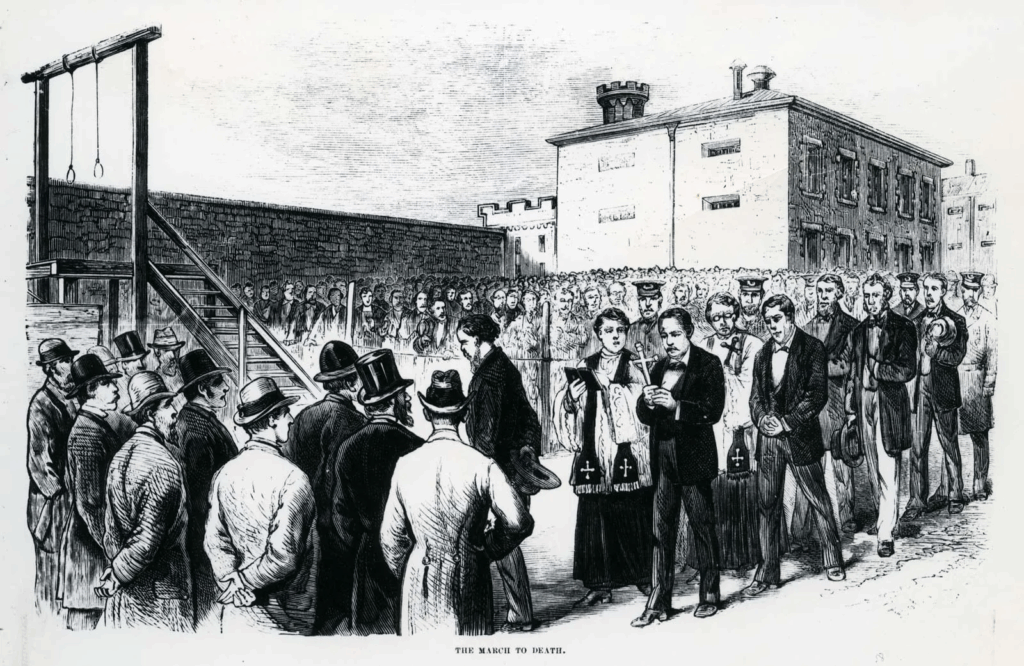
In 1905, the family’s run as hangmen came to an end.
William was removed from the official executioner’s list after serving one month in Wakefield Gaol. Whilst struggling with alcohol, he had failed to pay money to his wife in compliance with a separation order. As such, they had fallen into debt and poverty, being admitted to a workhouse.
While William was detained, John would die. The Chief Executioner of Manchester, he was testing out a scaffold when he fell through, cracking his ribs. Two months later, the 25-year-old passed away with pleurisy listed as the official cause of death.
William would die in 1952, marking the official end of the Billington family of executioners. None would live to see the abolition of the death penalty in the 1960s.
Together, James and sons Thomas, William, and John would be responsible for 235 executions between 1884 and 1905.
The British Bulldogs
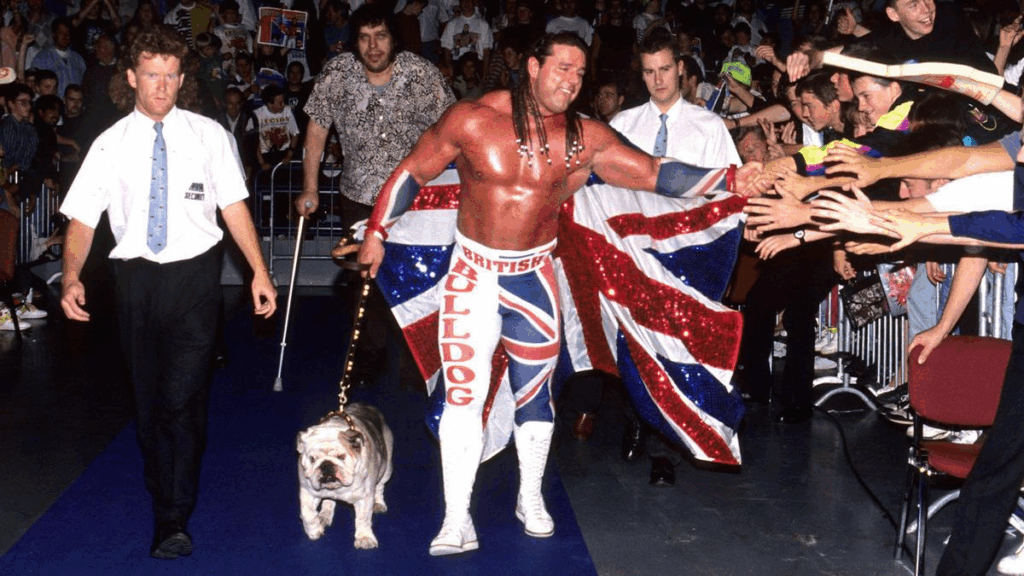
Pictured above: The British Bulldog, one of the most popular WWF stars of the 1990s.
Although the family of executioners was long gone, descendants Davey Boy Smith and Dynamite Kid continued to leave their mark.
As a collective, the duo mixed power and dynamism, proudly displaying the Union flag and being accompanied to the ring with trusty bulldog Matilda. One of the company’s more exciting tandems, they would win the WWF World Tag Team titles at WrestleMania II. After retaining against the likes of The Dream Team, The Funk Brothers, and The Iron Sheik and Nikolai Volkoff, the duo would drop the straps to The Hart Foundation.
Dynamite would become one of the most celebrated grapplers of his time, credited for honing a new generation of wrestling style. His encounter with Tiger Mask in particular earned him critical acclaim, making the men the first recipients of a Dave Meltzer five-star match.
Combining quickness, agility, and powermoves, he has been described by Bret Hart as “pound-for-pound, the greatest wrestler who ever lived.”
Unfortunately, the real life Tom Billington would never truly recover from a 1986 back injury, eventually being left in a wheelchair. A bully outside of the ring, Billington is perhaps better known today for his out-of-the-ring exploits, famous for his backstage fight with Jacques Rougeau.
More commercially successful was Davey Boy Smith, a main event-level star in the WWF and his brief tenure in WCW.
His career highlight was main eventing SummerSlam 1992 at Wembley Stadium. In front of 80,000 fans, he pinned Bret Hart to win the Intercontinental title to the biggest audience for a mainstream wrestling event in history to that point.
Although he would never hit the same heights again, he remained a fixture of WWF television, picking up the World Tag Team belts with Owen Hart, being a member of the five-man Hart Foundation line-up, and being the inaugural European titleholder.
Both legends of the ring, being descended from a family of executioners who by then were just a memory of dismal Victorian Britain.