Joe King
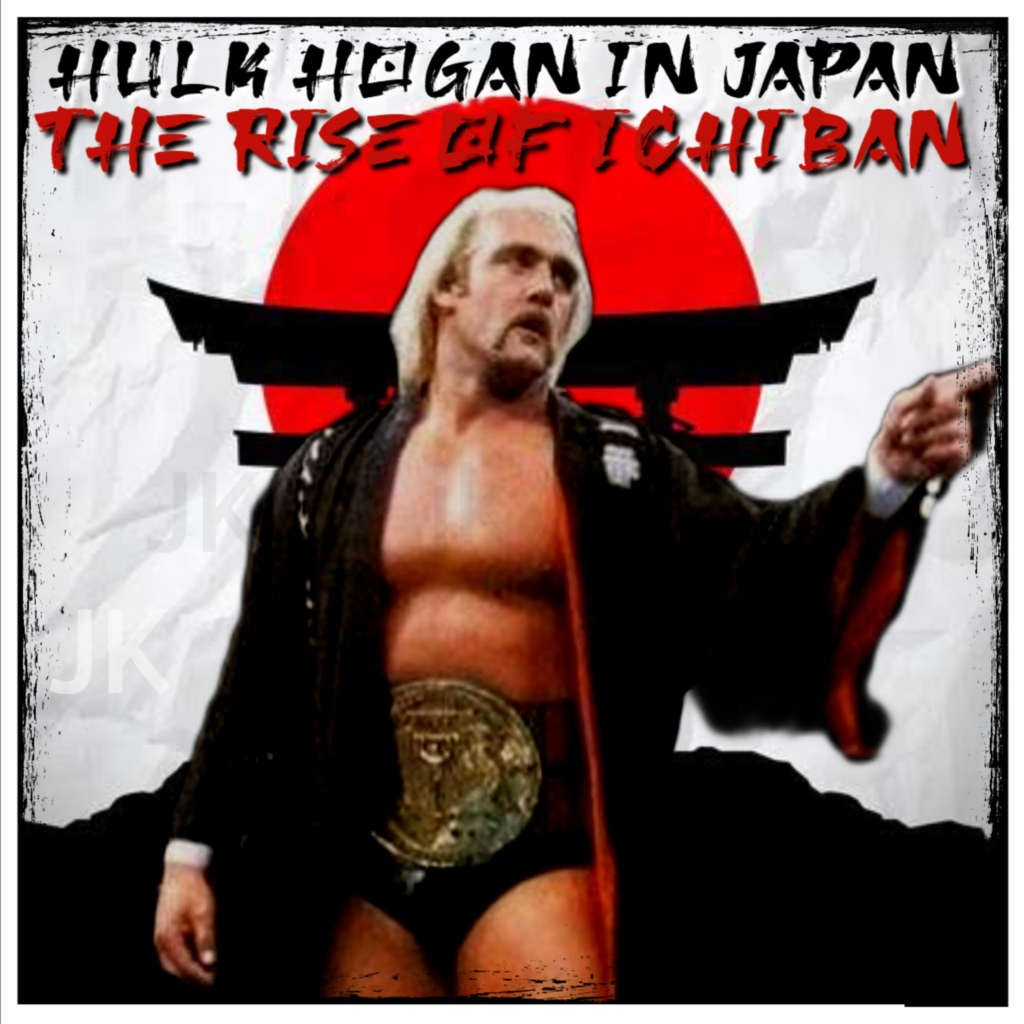
Before Hulk Hogan became the face of American pro wrestling and a pop-culture phenomenon, he was carving out a powerful and respected legacy in Japan, where fans knew him by a different name and reputation: Ichiban—“Number One.”
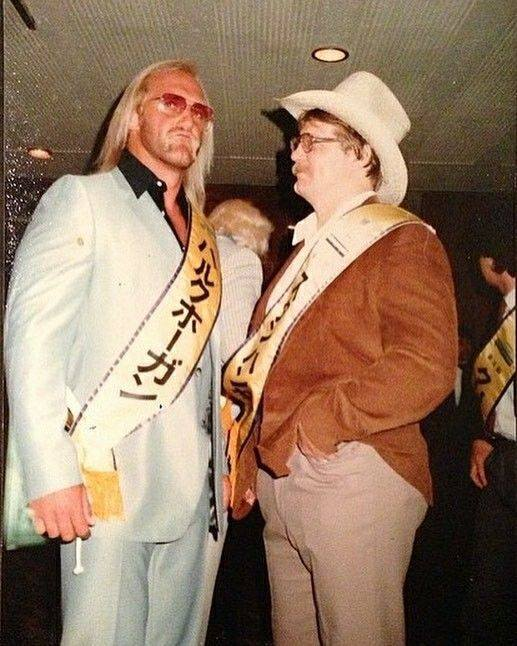
Hogan’s relationship with Japan began in 1980, during his early years in the AWA under Verne Gagne. While he was still finding his footing in the United States, Japanese promoters immediately saw something special in the towering, muscular American with undeniable charisma. In Japan, Hogan wasn’t a cartoon superhero yet—he was a legitimate monster heel, a believable foreign invader with size, strength, and surprising athleticism.
Becoming “Ichiban”
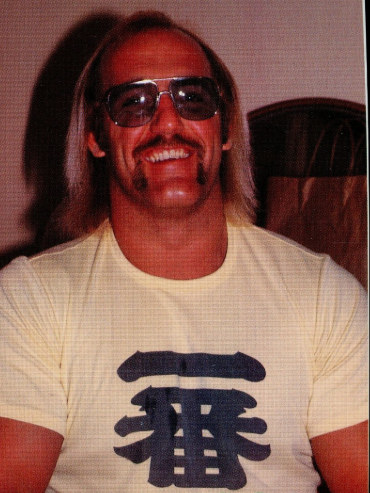
The nickname Ichiban came from Japanese fans who viewed Hogan as a top-tier gaijin (foreign wrestler). Unlike the U.S., where he would later be presented as an unbeatable good guy, Hogan embraced a more serious and aggressive style in Japan. His offense was heavier, his selling more realistic, and his matches more physical. Japanese crowds respected him not just for his look, but for his work ethic and adaptability.
New Japan Pro-Wrestling Dominance
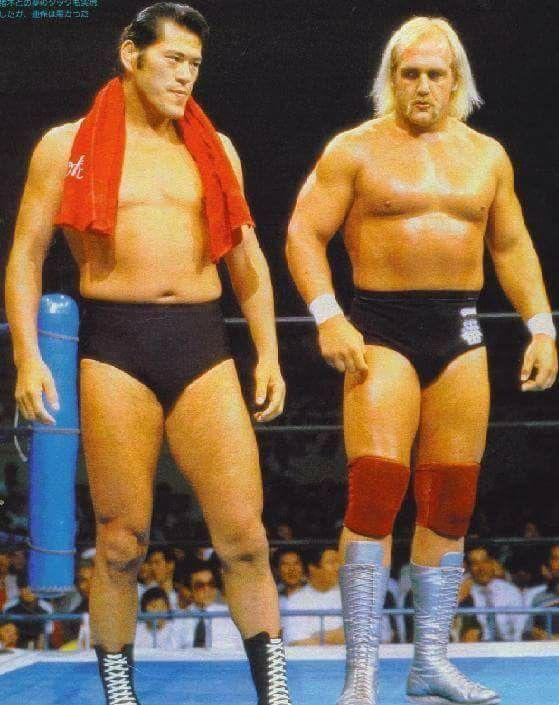
Hogan became a staple in New Japan Pro-Wrestling (NJPW) during the early 1980s, working closely with Antonio Inoki. His matches against Inoki were treated as major events, often billed as clashes between Japanese fighting spirit and American power. One of the most infamous moments came on June 2, 1983, when he won the inaugural International Wrestling Grand Prix (IWGP) tournament by defeating Antonio Inoki by knockout, becoming the first holder of the original version of the IWGP Heavyweight Championship. At the time, this tournament victory was treated as a legitimate world-class achievement and cemented Hogan as one of NJPW’s biggest foreign stars. Hogan also teamed with Inoki to win the MSG Tag League tournament in both 1982 and 1983.
A Different Hulk Hogan
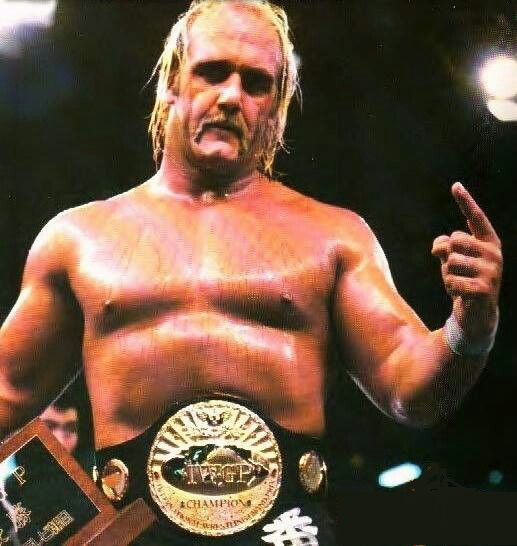
Japanese fans saw a version of Hogan rarely seen on American television. In Japan, he was a hard-hitting striker rather than a pose-heavy showman. He was a wrestler who relied on lariats, power slams, and realism. Hogan was treated as a dangerous outsider rather than a superhero. This “Ichiban” Hogan helped refine his aura of legitimacy, which would later make Hulkamania feel larger than life when he returned to the U.S.
Cultural Respect and Legacy
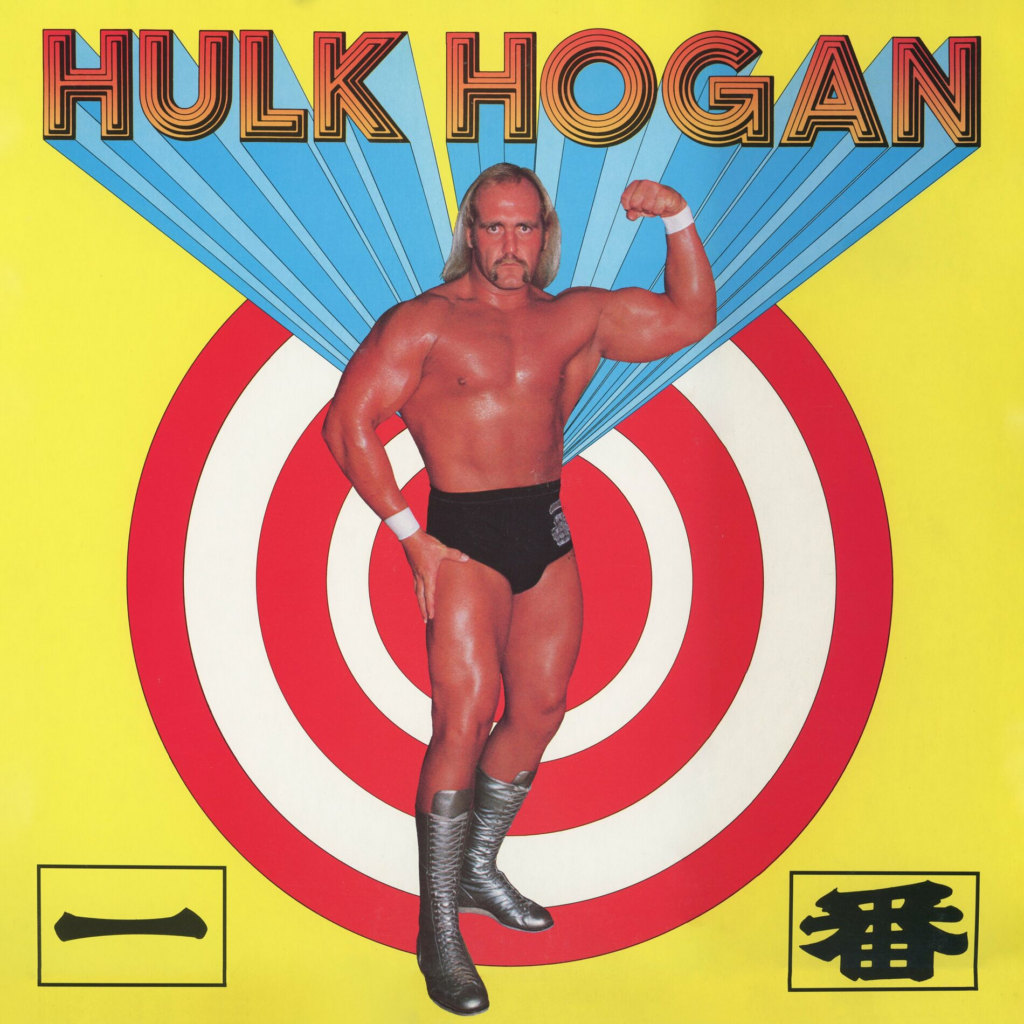
Hogan has often spoken about how much Japan meant to his career, citing it as the place where he truly learned how to be a professional wrestler. Japanese audiences embraced him not as a cartoon character, but as a credible athlete. His success helped open doors for future American wrestlers in Japan and strengthened the working relationship between Japanese promotions and U.S. stars.
The Foundation of Hulkamania
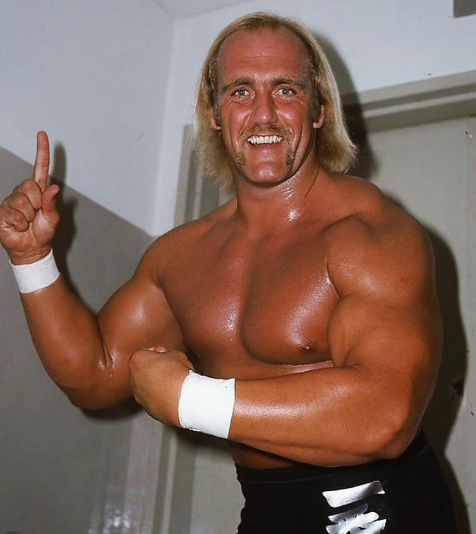
By the time Hogan returned to the United States in the mid-1980s and exploded as WWF Champion, he was no longer just a bodybuilder with charisma—he was a seasoned international star. The confidence, ring presence, and legitimacy he gained as Ichiban in Japan became the foundation upon which Hulkamania was built. Long before he told fans to “say your prayers and eat your vitamins,” Hulk Hogan had already conquered Japan—and earned the name Ichiban.
Superunknown
ICHIBAN! #1!!!