
Posted on by bdamage1

Brian Damage
Professional wrestling has been around in some which way, shape or form since the 19th Century. World War II aka ‘The Big One’ took place from 1939 until 1945. Today on the blog, we take a historical look at pro wrestling and WWII and how they were intertwined during that era. From smoke filled arenas to smoke filled battlefields, how did pro wrestling connect with the second World War.
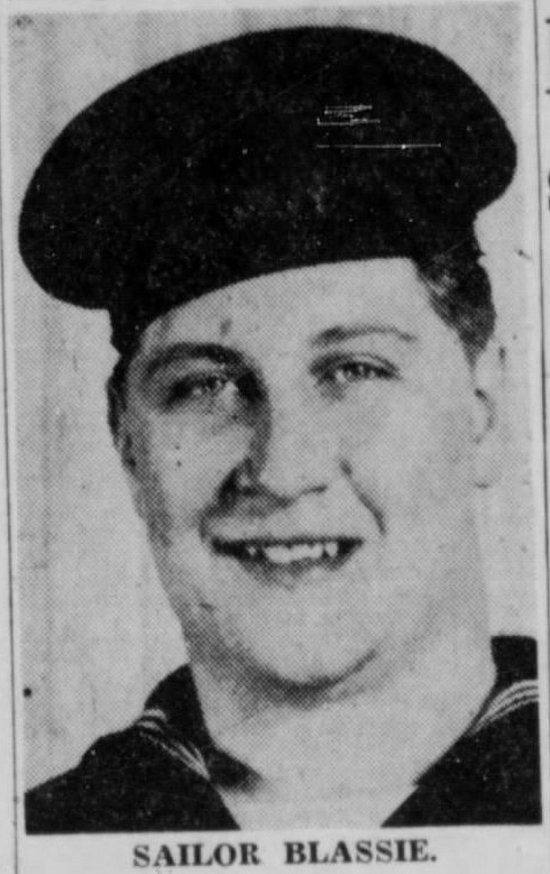
Frederick Kenneth Blassie who would go on to great fame as a wrestler and manager named ‘Classy’ Freddie Blassie was a WWII veteran. He and his family were of German descent and when Nazi Germany began their attempt at world domination, the Blassies were targeted by neighbors as being unpatriotic and sympathizers to the enemy. Freddie decided to enlist in the United States Navy and rose to the rank of Petty Officer Second Class. After his discharge from the Navy, Blassie began a career in pro wrestling where his first gimmick was known as ‘Sailor’ Fred Blassie.
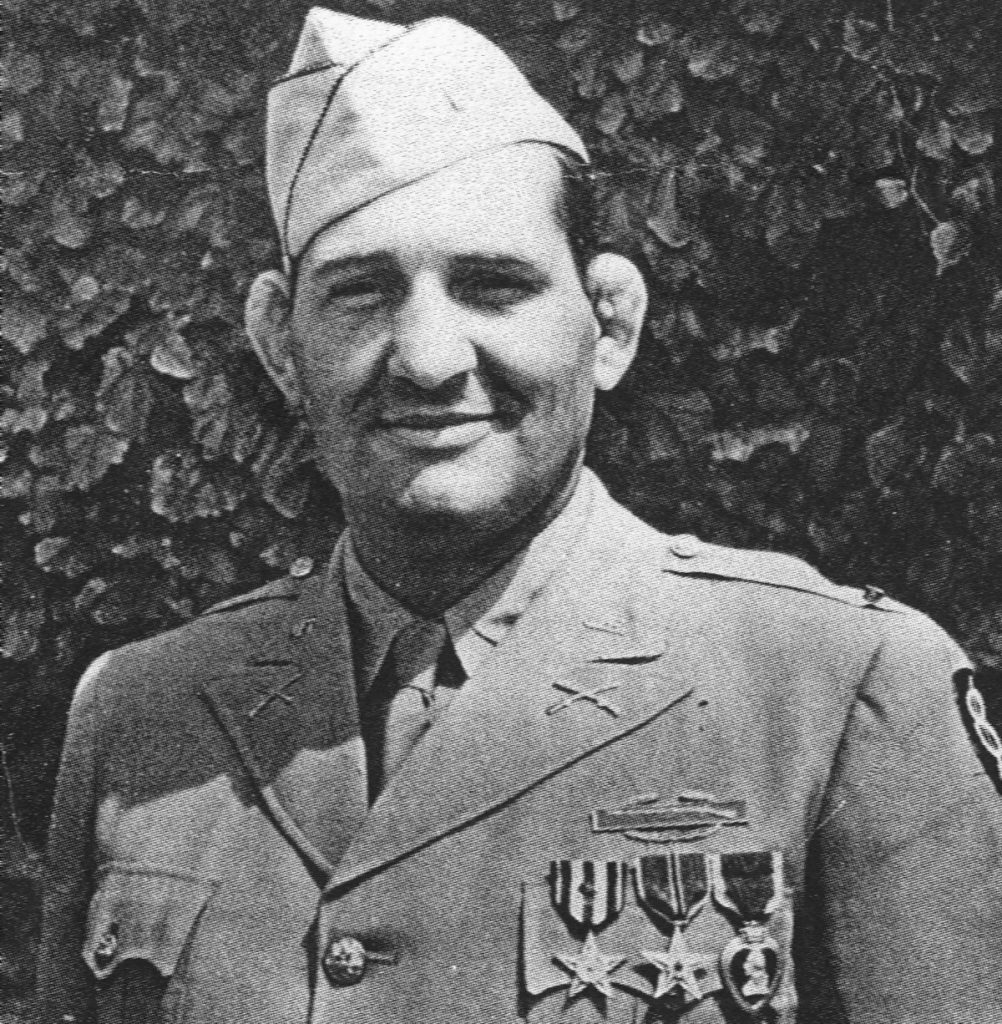
Paul Boesch was a hall of fame wrestler and promoter in the industry for over 55 years. While wrestling in the Philippines, Boesch narrowly escaped an attack by the Japanese military. When he returned home to the United States, Boesch enlisted in the Army and went to war. Paul Boesch ended up being awarded several military honors including a Purple Heart, a Combat Infantryman Badge, a Silver Star and a Bronze Star.
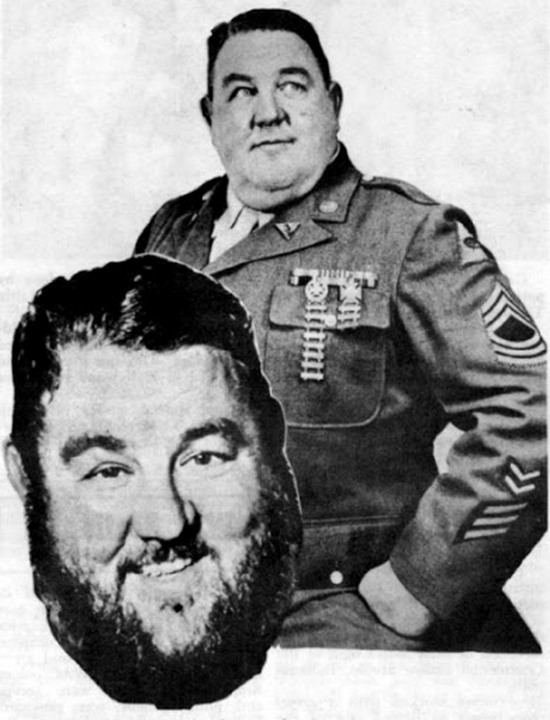
Frank Leavitt stood 5’11 and weighed over 300 pounds…to wrestling fans…he was well known as ‘Man Mountain Dean.’ Leavitt has the distinction of fighting in both World Wars as a part of the United States Army. He fought in France as a part of World War I and years later reenlisted in his late 40’s/early 50’s to fight in WWII. He rose to the rank of master sergeant.
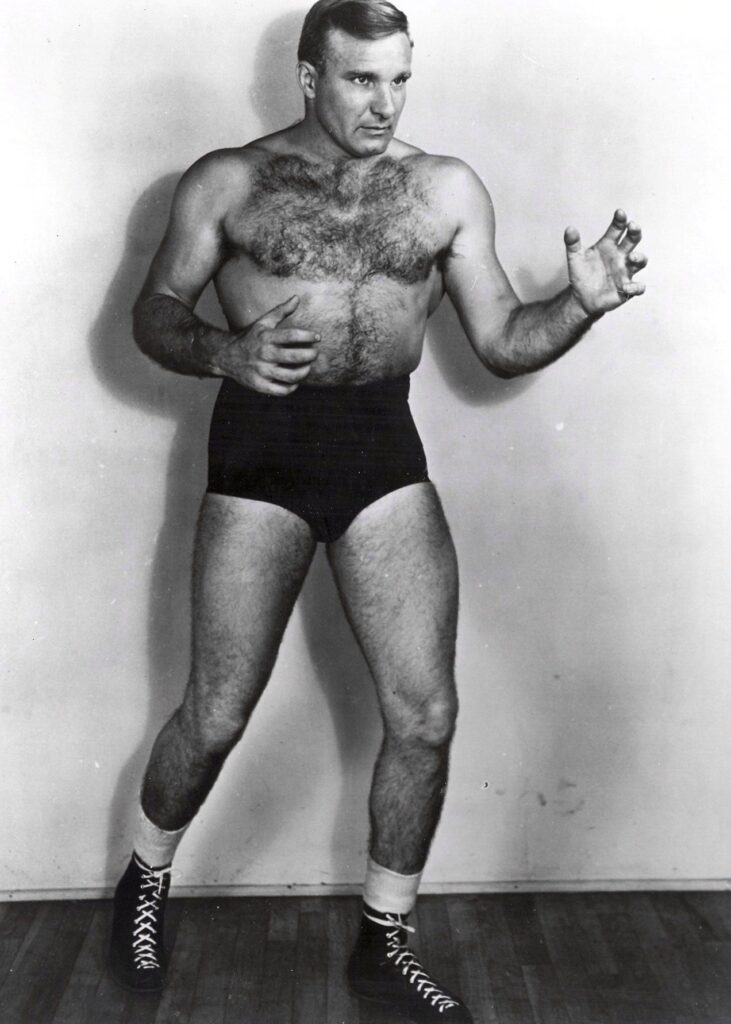
John Bence wrestled for various territories across the United States including Florida, Georgia, Hawaii and Oregon. His wrestling moniker was ‘Cowboy’ Jack Bence. He was also known for the reverse wristlock and the man who helped train a rookie named Don Muraco. Before his wresting career took off, Bence served in the United States Navy during World War II.
In 1945, his ship hit a mine near Okinawa and began to sink. Several of his shipmates were injured and drowning in the sea. Bence dove into the mine infested water and saved a number of his injured shipmates. For his bravery and extraordinary heroism….Bence was awarded the Navy Cross by President Truman.
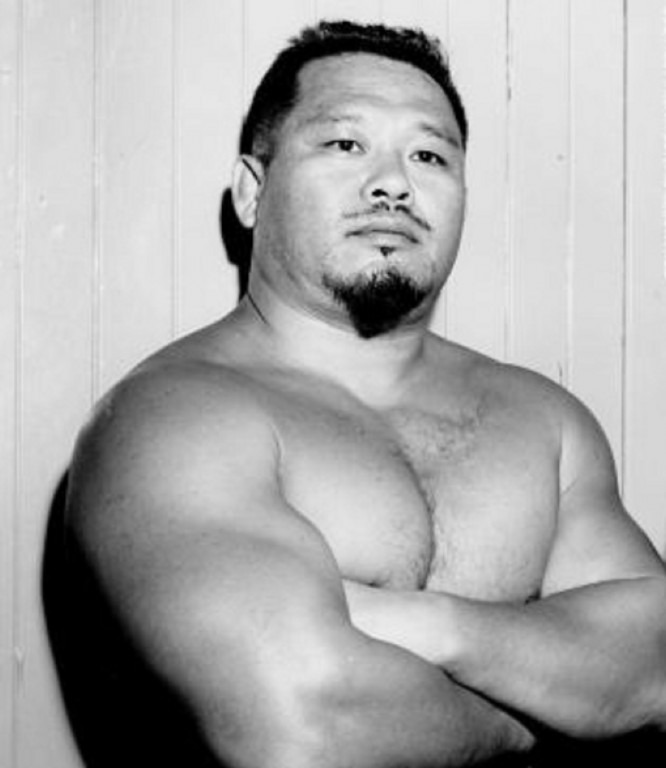
Toshiyuki ‘Harold’ Sakata was a Japanese American coffee farmer living in Hawaii. After the Pearl Harbor attacks, Sakata enlisted in the United States Army. Because of his Japanese descent, Sakata was assigned to the 1399th Engineer Construction Battalion….which was a unit comprised of all Japanese American soldiers. Sakata and his unit built tanks, warehouses and paved roads. After the war, Sakata found success as a pro wrestler and Hollywood actor.
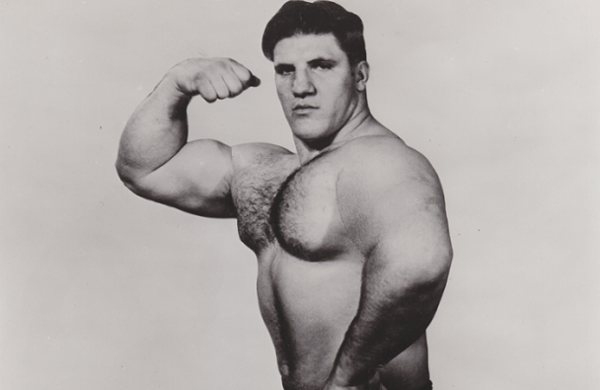
Wrestling legend Bruno Sammartino was a child living in Italy, when the war came to his home country. His father Alfonso had immigrated to Pittsburgh, Pennsylvania in the United States leaving behind his wife and seven children. When the Nazis occupied his village, Bruno’s mother snuck her children up into the mountains. Four of Bruno’s siblings died while in hiding. The Nazis would capture the remaining Sammartino family and lined them up in front of a firing squad. Luckily, Allied forces rescued them and others in the nick of time.

Jack Gacek and Steve Brody were two professional Wrestlers that were killed while serving in the United States military during World War II. They are the only two known active pro wrestlers to be killed in combat.
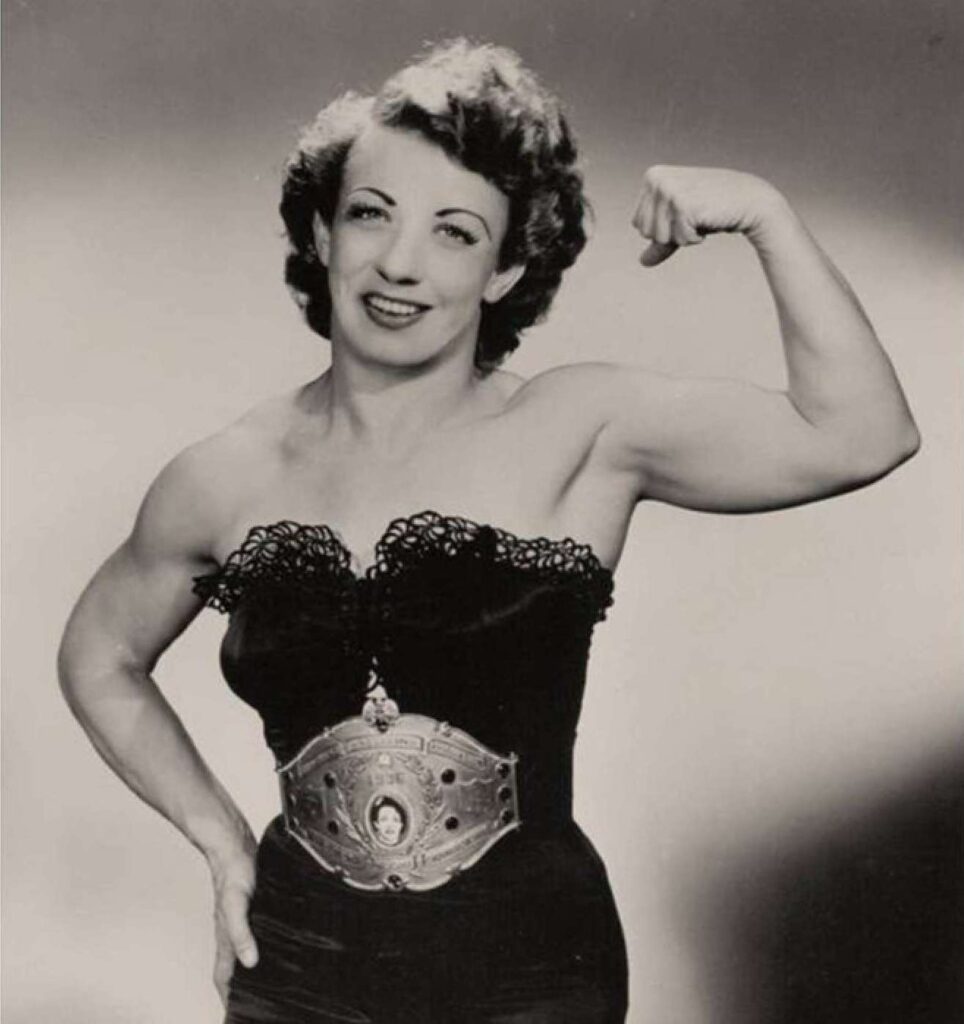
During the course of the war, many of the men were enlisting or being drafted into the military. The overall health of the wrestling business was suffering because of it. To alleviate the decline in business, many wrestling promoters turned to women’s wrestling to drum up interest. Mildred Burke became the crown jewel of wrestling during this period. Burke was making upwards of $50,000 a year….far more than a Major League baseball player at that time.

On March 3rd, 1945…six professional wrestlers ( Lester ‘Kid’ Chapman, George ‘Mack’ Matkovich, Benny Reuben, Gaius Young, George ‘Jack’ Ross and Harold ‘Al’ Sabath) boarded a USO chartered flight to wrestle in an exhibition to entertain the Allied troops. Tragically, their plane crashed in France killing all onboard.

Future world champion and AWA founder Verne Gagne was a stand out amateur wrestler from the University of Minnesota. Gagne was recruited by the United States Marines to help teach them hand to hand combat during the World War.
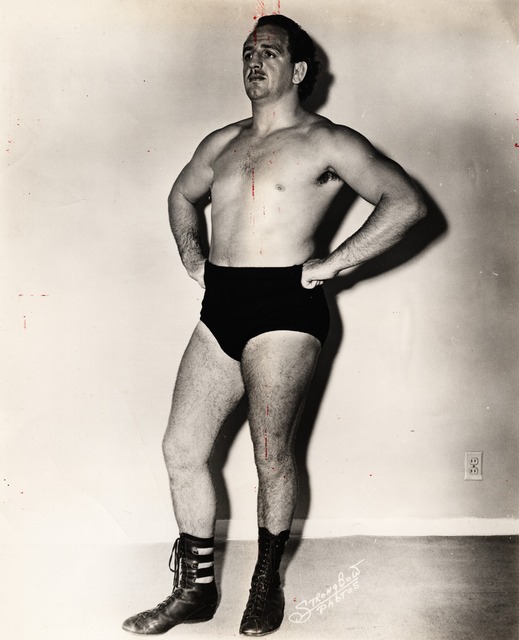
Lord James Blears was a British pro wrestler who began his career at the young age of 17 years old. When World War II began, Blears joined England’s Merchant Navy and became a radio officer. While aboard the S.S. Tjisalak, he was captured by the Japanese. Several of his shipmates were then tortured and beheaded. Blears was able to use his wrestling skills to overpower a Japanese soldier and escape on a life boat. After three days at sea, Blears was found and rescued by a U.S. Navy ship.

NWA great Lou Thesz challenged ‘Wild’ Bill Longson for the National Wrestling Association world title in January of 1944. The match went to a time limit draw. Thesz and Longson worked the match for free, as it was a drive to get fans to purchase war bonds to help support the military during the World War. Over 7 million dollars worth of bonds were sold during the event in Houston, Texas.
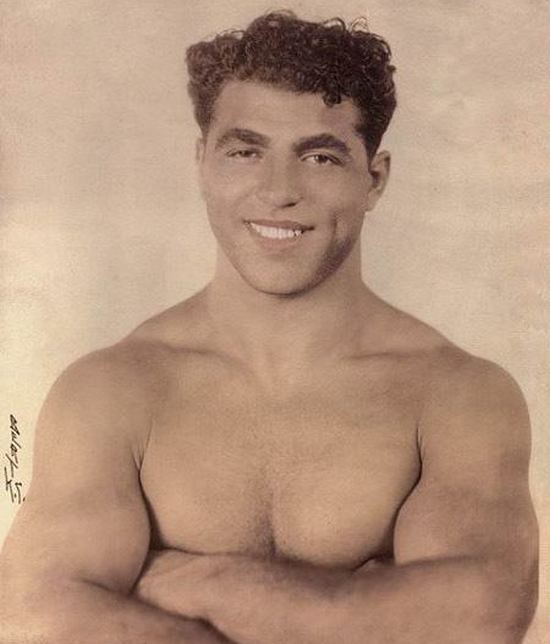
“Jumping Joe” Savoldi was an Italian immigrant who was trained by Billy Sandow and Ed ‘The Strangler’ Lewis in 1931. Savoldi wrestled in various territories in the U.S. and countries like New Zealand, Australia and all over Europe. In 1942, Savoldi was approached by the U.S. government to work for the Office of Strategic Services (OSS). The OSS was the precursor to the CIA. Savoldi who spoke fluent Italian and knew all the different dialects to the language was asked to work with the OSS to spy on Italian dictator Benito Mussolini.
He was given the alias of “Giuseppe De Leo” and worked on three different and successful espionage missions for the United States government. One of those missions, he had his cover blown and was attacked by Nazis on a beach in Salerno, Italy. Luckily, Savoldi escaped death and was rescued by a British landing ship.
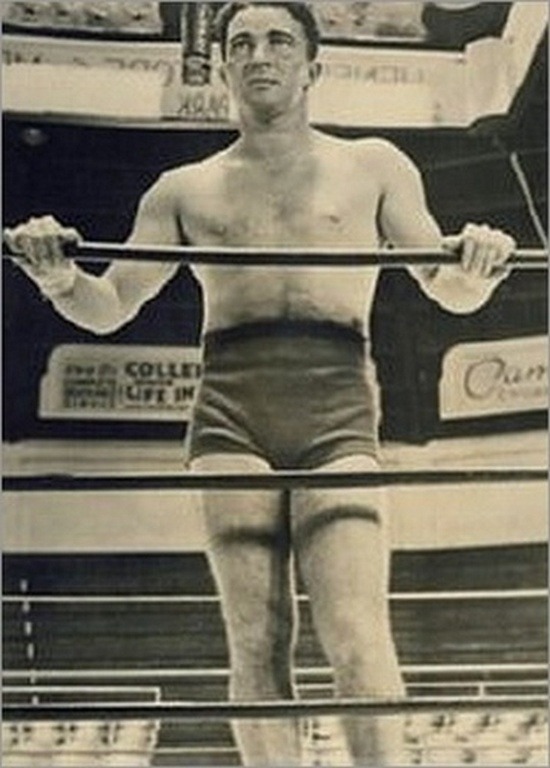
George Temple Jr was the older brother of famous child movie star Shirley Temple. George was often considered the black sheep of the family due to his career as a professional wrestler. Before that however, George Jr was a hero to the Temple family. He was a United States Marine that served during World War II. Not only that, but a survivor of the infamous attack on Pearl Harbor in 1941.
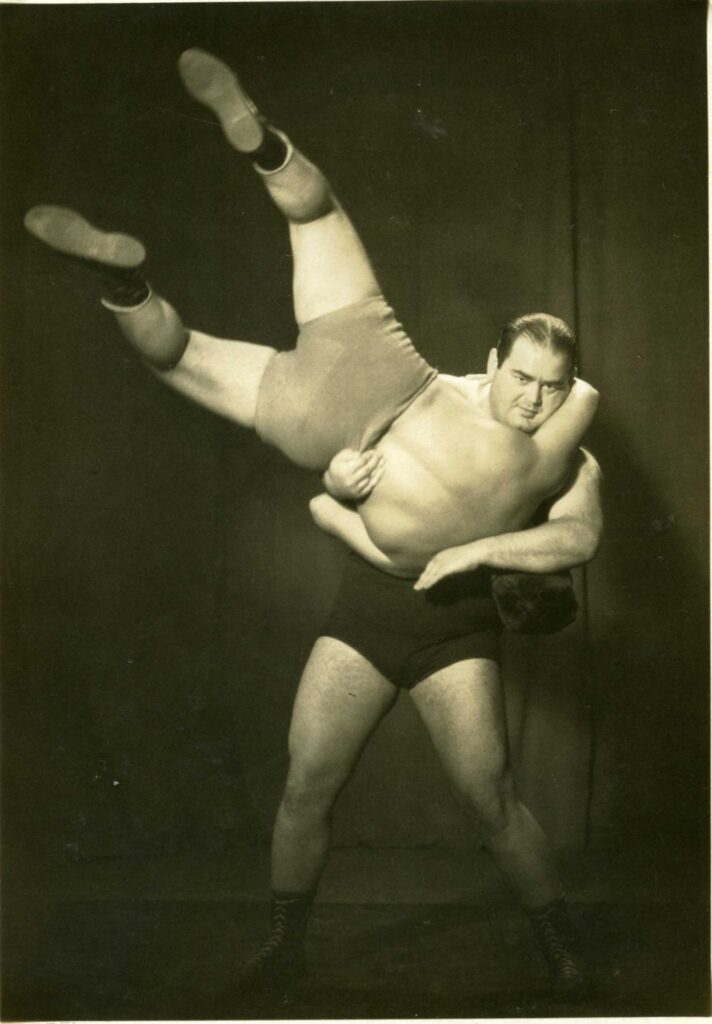
David Unreich was an Orthodox Jewish man from Czechoslovakia studying to be a rabbi. After being bored with his studies, Unreich decided to try his hand at athletics. This, despite opposition from his family who wanted him to become a rabbi like his father. Unreich became a successful professional wrestler named ‘Ben Shalom’. He would win several titles all over the world and be recognized as the Jewish world heavyweight champion.
As the war raged, several of Unreich’s siblings fled to Palestine for safety. David’s parents…Regina and Jonas and his sister Rachel were captured by the Nazis. All three were sent to a concentration camp in Auschwitz, Poland where they eventually perished. David would use his fame as a pro wrestler to his advantage. He was very outspoken and involved in educating the Jewish communities about the dangers and horrors of fascism. Standing 6’2 and weighing close to 300 pounds, Unreich famously challenged Adolph Hitler to a wrestling match to the death. Of course, Hitler never acknowledged the challenge.
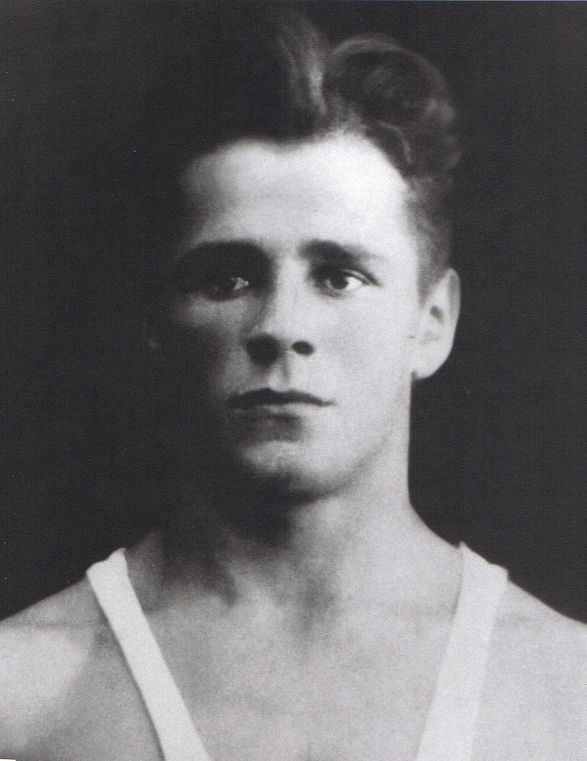
Werner Seelenbinder was a champion wrestler for Germany during World War II. After a winning a match, Seelenbinder refused to give the Nazi salute. This led Seelenbinder to be sent to a concentration camp to be tortured. After his release, Werner Seelenbinder continued his wrestling career, but became outspoken against the Nazis. This ultimately led to Werner being arrested and executed for treason in 1944.

After the end of World War II, pro wrestling exploded with a host of very successful gimmicks of wrestlers portraying Nazi Germans and Japanese. It also saw pro wrestling become very popular in Japan with the emergence of Rikidozan.