Brian Damage
Triple H aka Paul Levesque transformed the NXT into so much more than just another developmental brand . For seven years, he brought in some of the very best independent talents from all over the world to create perhaps the hottest brands in WWE at the time. The Black and Gold version of NXT saw so many exceptional wrestlers walk in such as Sami Zayn, Kevin Owens, Adrian Neville, Samoa Joe, Ricochet and Adam Cole just to name a few. In many ways, NXT under the guiding eye of Levesque became the ultimate indie fed in the world.
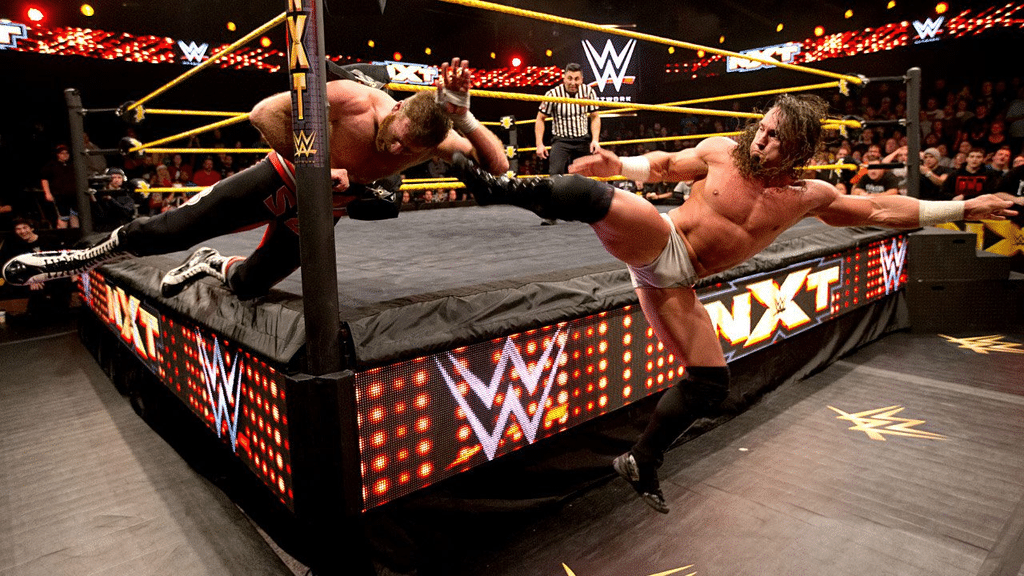
While the main roster was struggling creatively, NXT maintained its popularity with high caliber matches. Wrestling fans were starving for an alternative to what Raw and Smackdown were showcasing and for seven years NXT helped satisfy many hardcore fans. Then, AEW emerged and suddenly there was another option for fans to gravitate to. NXT was in some ways growing stale and not exactly producing too many stars to the main roster. Most were completely repackaged from NXT to the main roster with very little success.
AEW and NXT decided to go head to head with what was affectionately known as ‘The Wednesday Night War” mimicking the Monday Night Wars that transpired between WCW and the then WWF. In the end, AEW was the fresher, hipper show for the hardcore fans to watch and NXT conceded defeat and moved NXT to a completely new night on television. That wasn’t the only change. Something more drastic was about to change NXT.
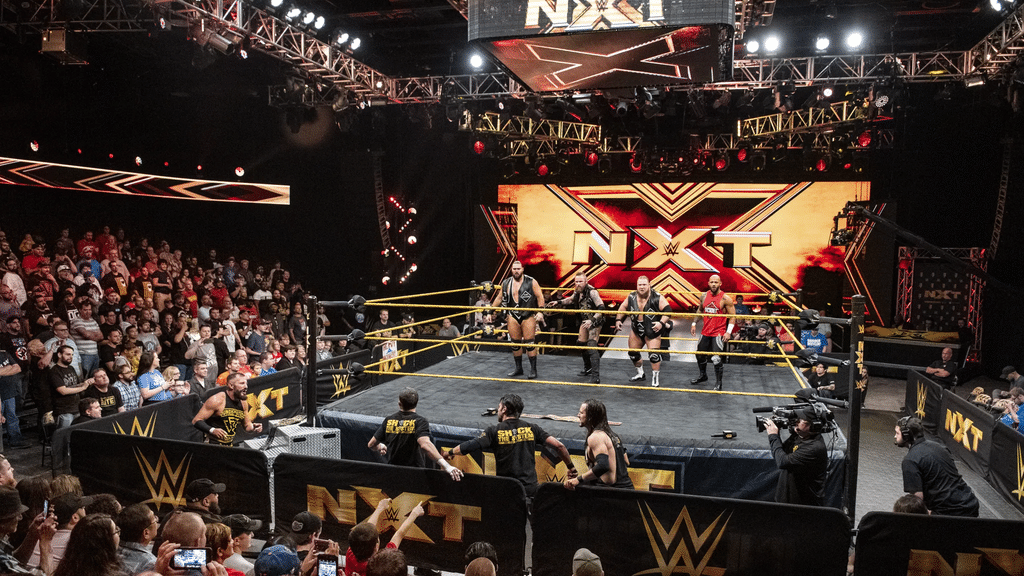
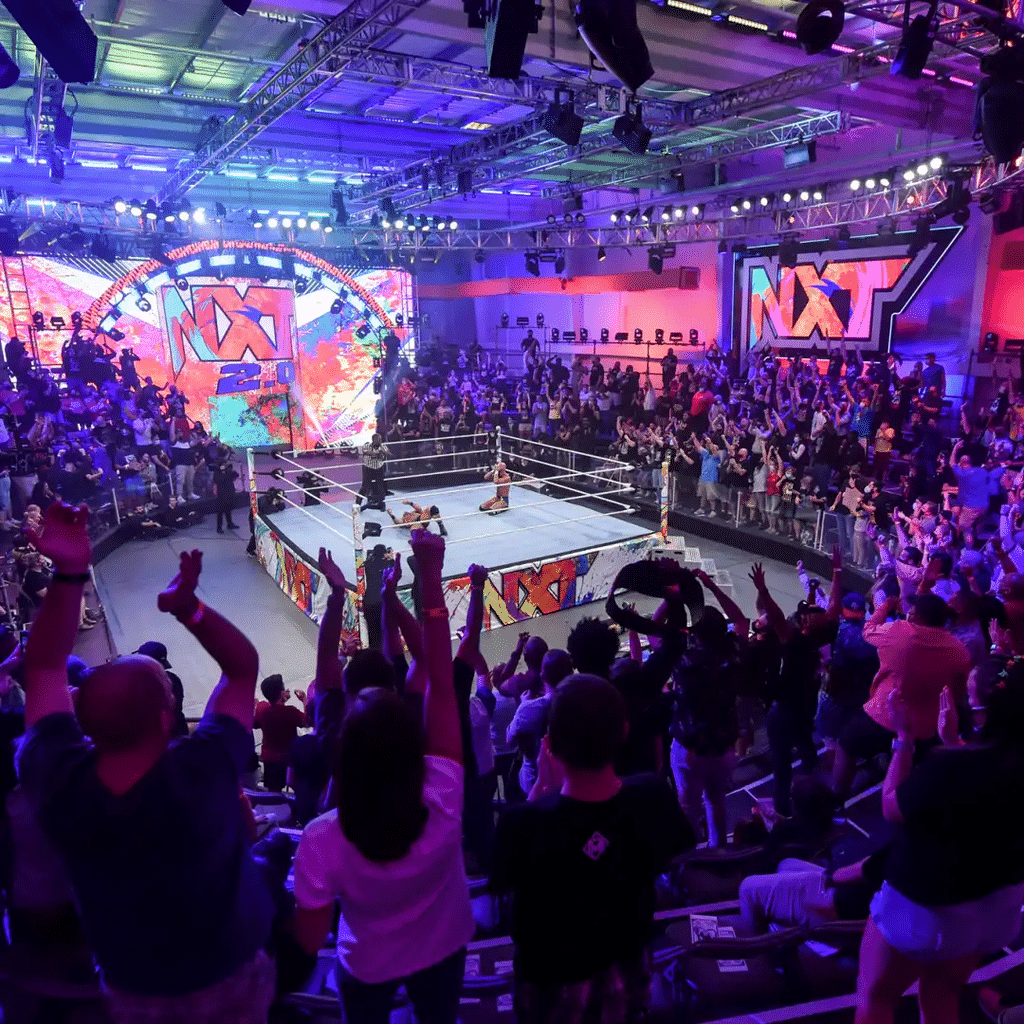
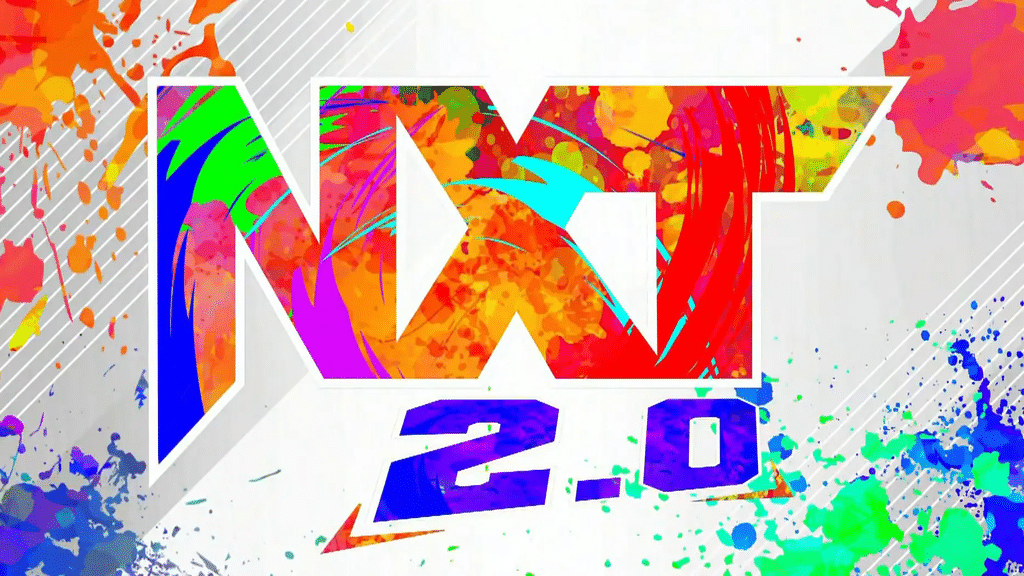
Vince McMahon decided to completely overhaul NXT from a place where many top independent stars thrived back to its original concept of being a farm system to WWE. In early September of 2021, NXT’s captain Paul ‘Triple H’ Levesque was sidelined with a very serious heart condition. With Levesque out, McMahon and Bruce Prichard oversaw the rebranding of NXT. Prichard stated he never wrote an episode of the new program. Gone was the black and gold color scheme and replaced with vibrant colors. The dark, gritty atmosphere was changed with much better lighting and graphics. Most importantly, there was no longer an emphasis on independent talent that Vince felt were too small or couldn’t properly adapt to the wider audience. Instead, he made sure NXT went back to its roots and focus on signing athletes from straight from college and build them from the ground up.
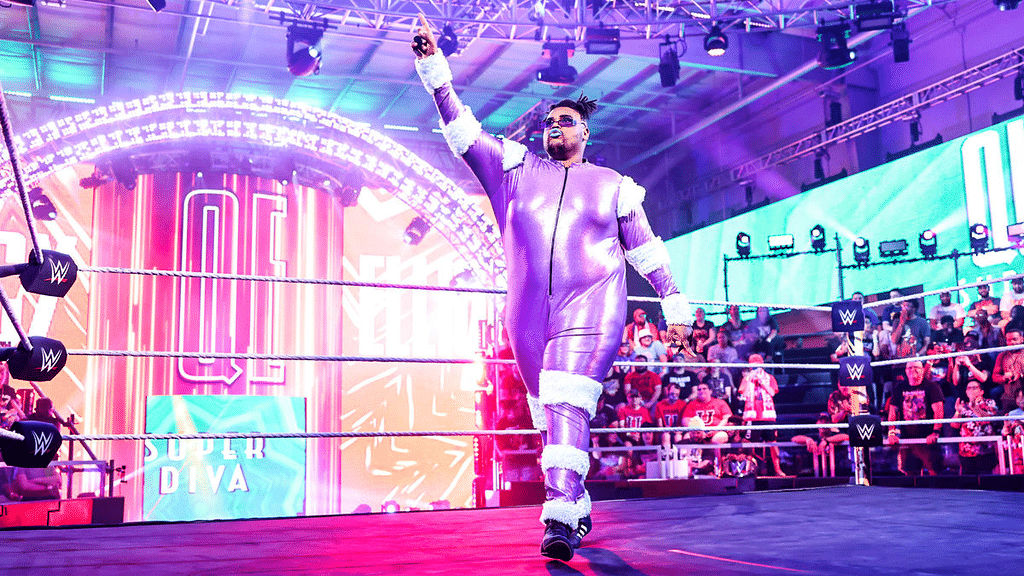
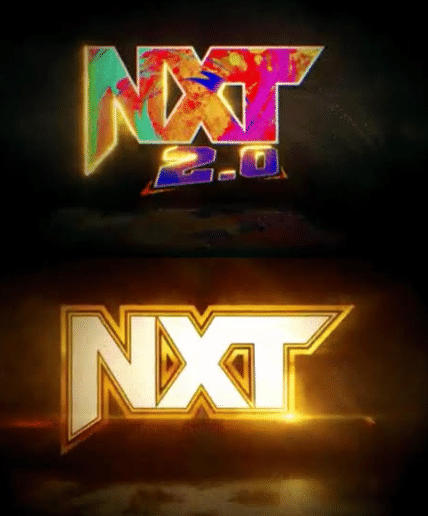
The rebranding was known as NXT 2.0 and was instantly met with both optimism and disgust by fans. With Triple H out, his best friend and DX cohort Shawn Michaels was put in his place as head of the new developmental brand. Many of the top talents were either called up, released or left on their own. They were replaced with a lot of unproven talent that Shawn Michaels had to develop into something worth watching every week. NXT 2.0 became more character and storyline driven. The wrestlers had gimmicks with some being more outlandish than ever before.
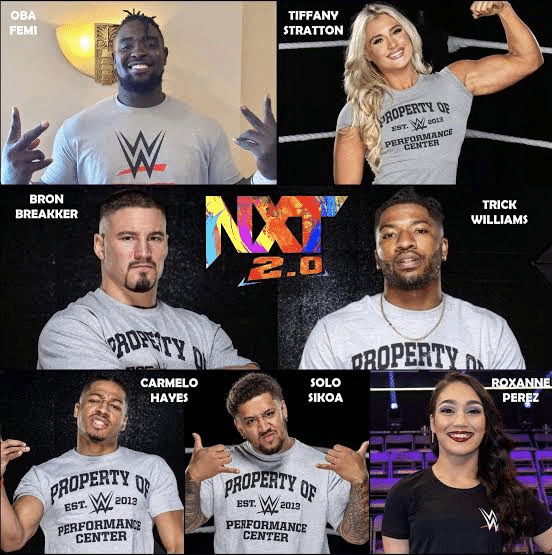
While many of NXT 2.0’s changes were drastic, there were some silver linings in the so called “Rainbow Vomit” that some fans coined the new version. While they limited signing indie wrestlers, they did sign and develop a number of young wrestlers that eventually became the pillars of NXT 2.0. For example, Bron Breakker the second generation wrestler who was the son of Rick Steiner…Trick Williams, Tiffany Stratton, Oba Femi and Carmelo Hayes. All of these wrestlers helped wipe away some of the stigma that was associated with NXT 2.0.
The end of NXT 2.0 came a year later after the relaunch when Vince McMahon announced his retirement from WWE. A returning Paul Levesque was named as the head of creative and almost immediately, the NXT 2.0 logo, name and look were scrapped. NXT 2.0 was if nothing else, an interesting change of pace for the year that it existed.
