Joe King
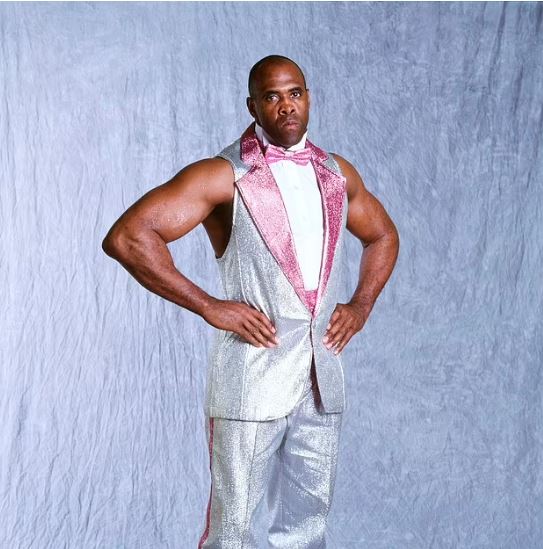
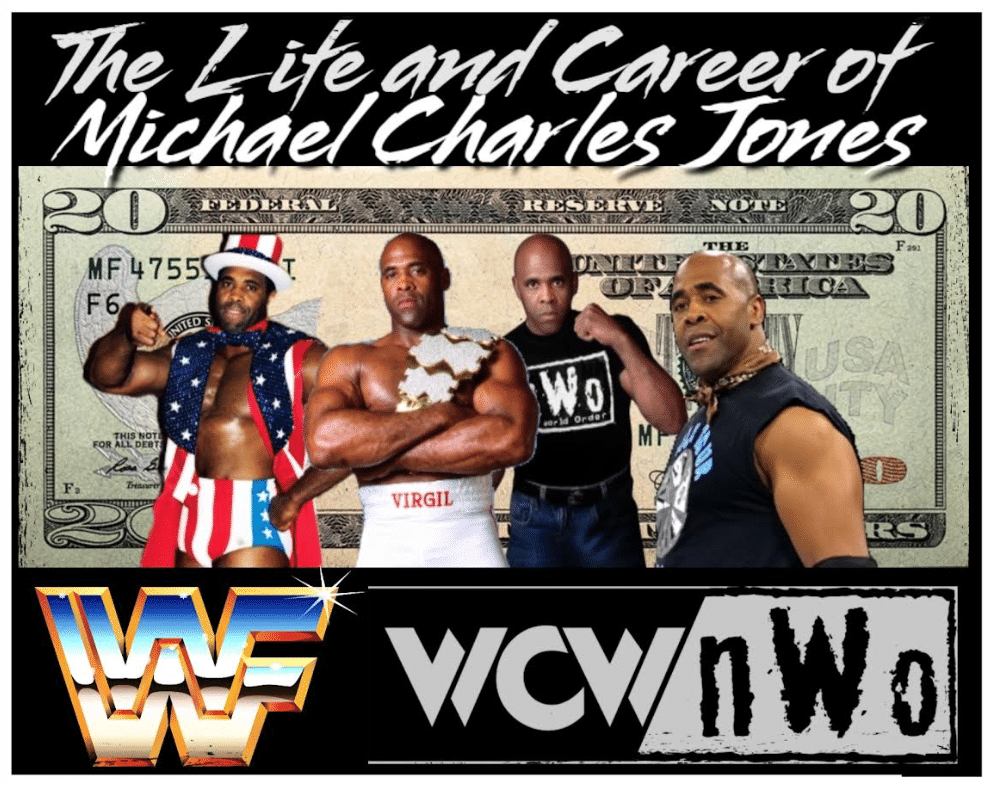
Michael Jones, best known to wrestling fans as Virgil, became one of the most recognizable supporting characters of the late-1980s and early-1990s WWF era. Although he initially entered the spotlight as the quiet bodyguard and personal assistant to ?The Million Dollar Man? Ted DiBiase, Jones eventually broke away from his employer and created a memorable story of his own.
EARLY LIFE & WRESTLING BEGINNINGS
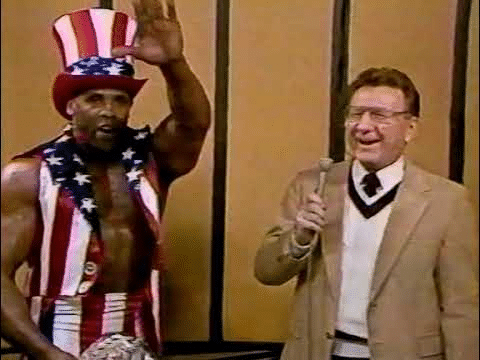
Michael Charles Jones was born in Wilkinsburg, Pennsylvania, on April 7, 1951. Before becoming a nationally recognized professional wrestler, Jones developed an interest in athletics and eventually pursued professional wrestling. After a chance meeting with pro wrestling superstar “Mr. USA” Tony Atlas at a gym in 1985, he was sent to train with Afa Anoa’i, one-half of the legendary Wild Samoans, and began his wrestling career later that same year. Before reaching the WWF, Jones gained experience wrestling on the independent scene and had very quick success wrestling as Soul Train Jones, where he defeated Big Bubba(Fred Ottman) for the AWA International Heavyweight Championship and held the AWA Southern Tag Team Championship with partner Rocky Johnson.
ARRIVAL IN THE WWF
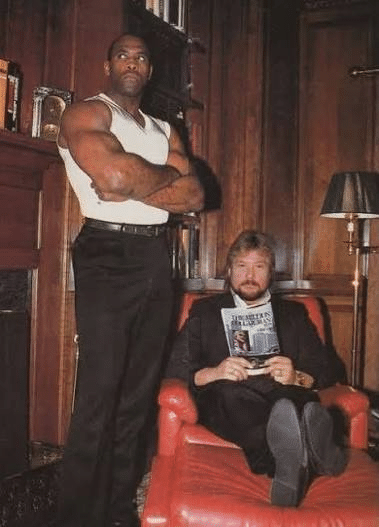
Jones joined the World Wrestling Federation in 1986, initially working under the name Luscious Brown before being given the character that would make him famous. He was introduced as Virgil, the personal assistant, bodyguard and sometimes reluctant servant of Ted DiBiase, ‘The Million Dollar Man.’ Virgil’s role was deliberately understated. Dressed in a suit and usually standing silently beside DiBiase, he carried DiBiase’s bags, performed menial tasks and accompanied him to ringside. The character became an important part of DiBiase’s presentation because Virgil represented the power and arrogance of The Million Dollar Man. DiBiase treated him as an inferior, regularly humiliating and ordering him around.
VIRGIL TURNS ON THE MILLION DOLLAR MAN
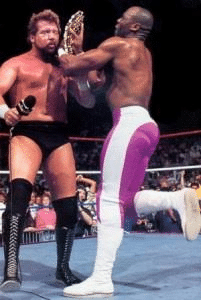
The relationship eventually reached its breaking point. At the 1991 Royal Rumble, after him and DiBiase defeated Dusty Rhodes and Dustin Rhodes in tag team action, Virgil finally rebelled against DiBiase, attacking his former employer and beginning a feud that gave Virgil one of the biggest opportunities of his career. The storyline was classic wrestling: the mistreated assistant finally stood up to his wealthy and abusive boss. Virgil defeated DiBiase at WrestleMania VII by count-out, before finally winning the Million Dollar Championship from him at SummerSlam. Although Virgil’s championship reign was relatively short, the victory was an important moment for his character. The man who had spent years being ordered around by DiBiase had finally achieved a measure of revenge.
VIRGIL VS. THE MILLION DOLLAR MAN
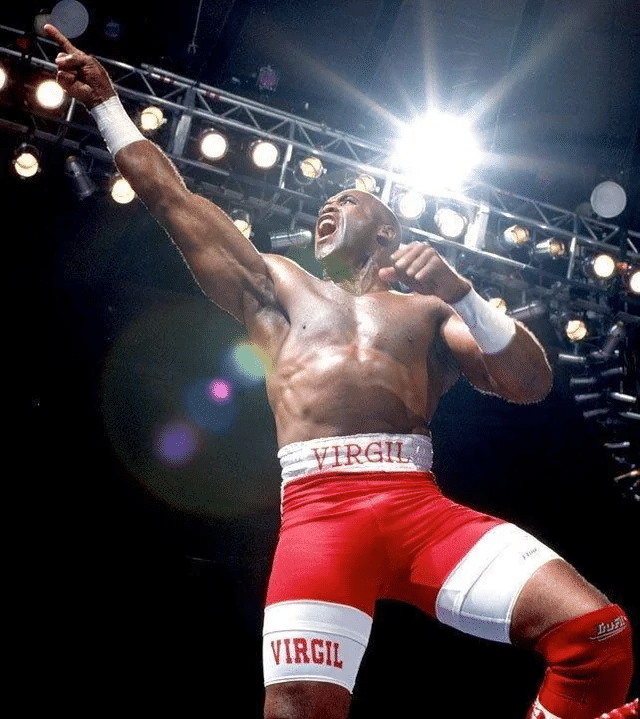
The feud continued into the early 1990s, with DiBiase eventually regaining control of the Million Dollar Championship. Virgil remained a recognizable WWF personality and competed against many of the company’s stars during this period. He also participated in major events, including appearances at WrestleMania, Royal Rumble events and other high-profile WWF cards. His character eventually evolved from DiBiase’s servant into a babyface wrestler attempting to establish himself independently.
Controversy on the Indies
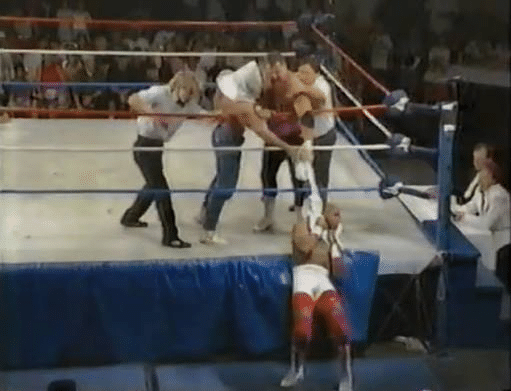
On August 25, 1995, Virgil competed in the National Wrestling Conference. In the supercard event “Night of Champions”. The match aroused controversy when Virgil’s opponent, The Thug, came out to the ring dressed in a member of the Ku Klux Klan in a hood. The Thug was accompanied by another man dressed in a full KKK outfit, who revealed himself as Jim “The Anvil” Neidhart. Both men attacked Virgil, with Neidhart rolling the KKK robe into a noose and hanging Virgil on the outside ropes. The 2-on-1 assault ended when the building’s security dragged Neidhart to the back and Virgil was carried away on a stretcher.
WCW/nWo as VINCENT
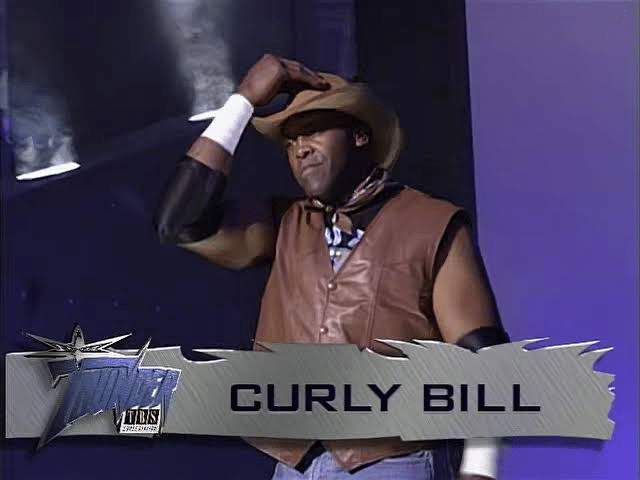
In 1996, Jones made the move to World Championship Wrestling. Because the WWF owned the name ‘Virgil,’?’ Jones was given a new identity: Vincent. The name was a play on former WWF chairman Vince McMahon, and Vincent became associated with the New World Order. He worked alongside some of the biggest names in WCW, including Kevin Nash, Scott Hall and Hollywood Hogan, serving primarily as a supporting member of the massive nWo faction. He was put into the nWo to re-form his alliance with Ted Dibiase, who was also a member, albeit briefly. Although Vincent was never positioned as one of the group’s central stars, his presence was another chapter in Jones’ career and allowed longtime wrestling fans to see him in a completely different environment. After his run with the nwo, he would finish out his WCW run as a member of The West Texas Rednecks(known as Curly Bill), portray the character Shane(a take on the popular McMahon family member at the time, Shane McMahon), before finally going under the moniker of Mr. Jones when he managed Ernest “The Cat” Miller.
LIFE AFTER WCW
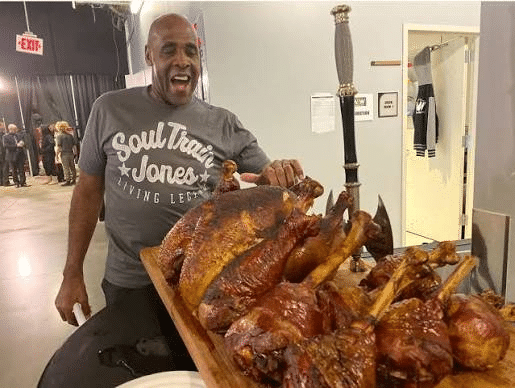
Following his WCW run, Jones continued wrestling on the independent circuit and made appearances at conventions, wrestling events and fan gatherings. Over the years, Virgil became something of a cult figure among wrestling fans. His appearances at conventions and autograph events became especially popular, with fans embracing the nostalgia surrounding one of the most recognizable supporting characters of the WWF’s late-1980s era. He also appeared in wrestling-related media and made occasional professional wrestling appearances in interviews on social media.
REMEMBERING MICHAEL JONES
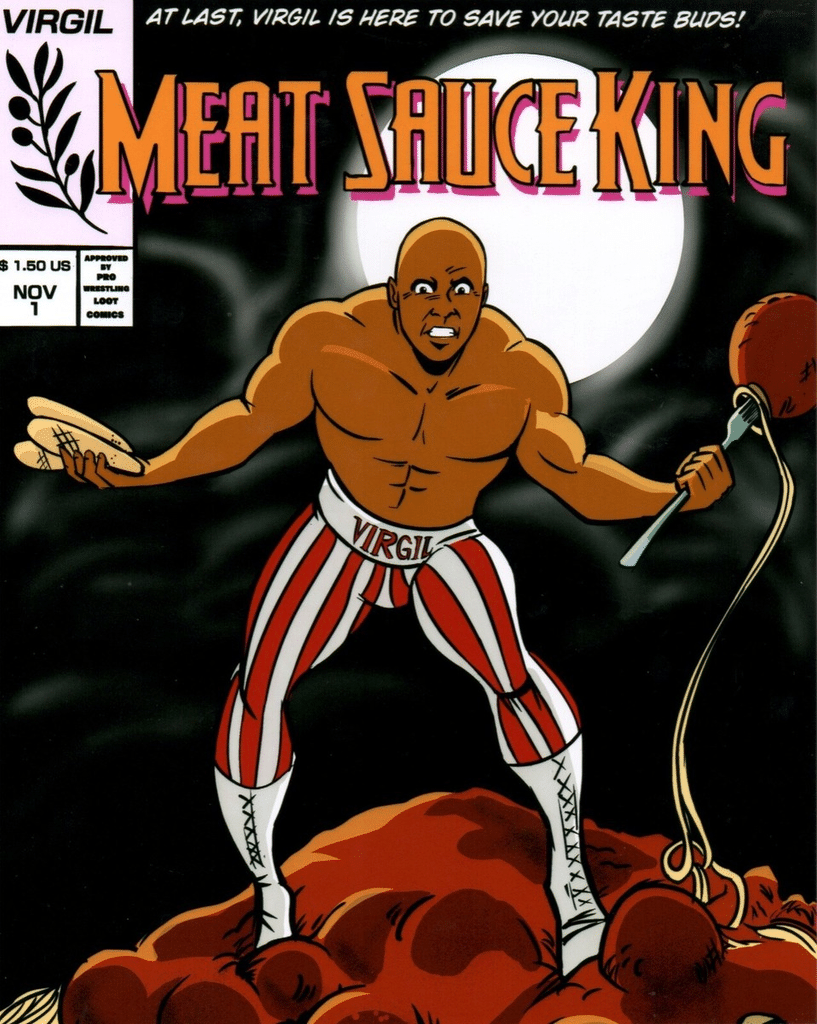
Michael Jones’ wrestling career is an interesting example of how a performer can become memorable even without spending years as a world champion or main-event attraction.
As Virgil, he played an important supporting role in one of the WWF’s most memorable character-driven storylines. His eventual rebellion against Ted DiBiase gave fans the classic story of an abused subordinate finally standing up to his wealthy employer. People who weren’t around during that time, do not understand just how popular Virgil was. He was super over with the fans. He was on magazine covers, featured on trading cards, had a Hasbro action feature, and would get a huge reaction in arenas across the globe. Outside the ring, Jones became known for embracing his connection with wrestling fans and the nostalgia surrounding his career.
Sadly, Michael Jones passed away on February 28, 2024, at the age of 61. His passing brought renewed attention to a career that spanned multiple eras and two of professional wrestling’s biggest companies.
LEGACY
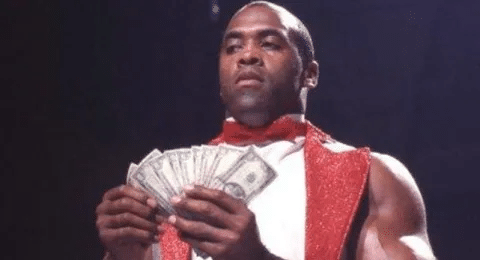
Michael Jones may have entered professional wrestling as Ted DiBiase’s assistant, but he ultimately became much more than that character. He was Virgil. He was Vincent. He was part of the Million Dollar Man storyline, the Million Dollar Championship, and the New World Order era of WCW. For fans who grew up watching wrestling during the 1980s and 1990s, Virgil remains instantly recognizable ? a reminder of an era when larger-than-life personalities and character-driven storylines helped make professional wrestling must-see television.
Rest in peace, Michael Jones.

Richard Gadberry
Did anyone give this man a tenner?
david Lee fullam
Remember old advice from when he set up merch tables-“Make no eye contact and walk away.”
rob
How can you have an article about Virgil and not mention the Lonely Virgil website? Its currently inactive, but it was a collection of pics and stories of Virgil at conventions, comic shows and train stations. Also, if you google him you will get a collection of “interactions” with the man. Interesting stuff.
Kyle Prescott
You couldn’t run the subservient Virgil gimmick today. He played it perfectly and was the perfect guy for it. Sad how his life ended up but he had an interesting life overall.
Mince Meyers
Who wrote this, AI? Virgil didn’t wear a suit, and “His appearances at conventions and autograph events became especially popular, with fans embracing the nostalgia surrounding one of the most recognizable supporting characters of the WWF’s late-1980s era'”? No they didn’t. His table was always perpetually devoid of fans no matter where he set it up.