Griffin Kaye
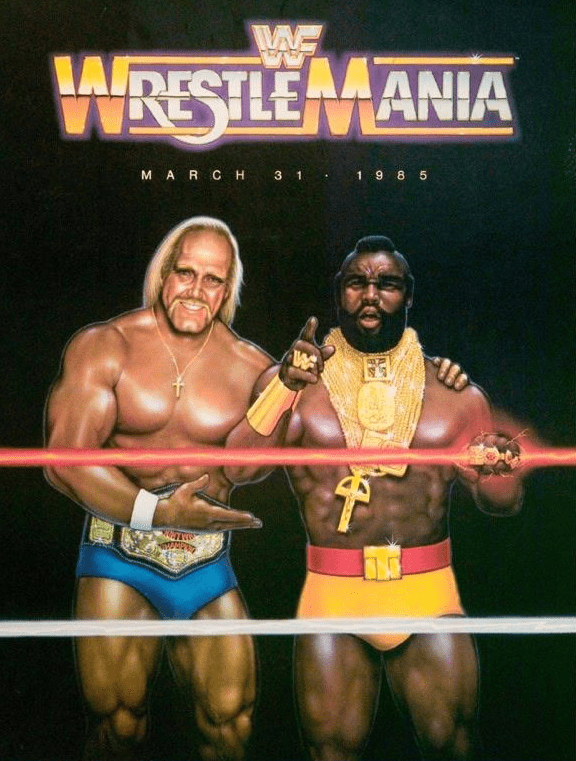
On March 31st 1985, the World Wrestling Federation produced the inaugural WrestleMania. The closed-circuit event was a huge financial gamble for owner Vince McMahon – one that would make or break the WWF. In the end, it all worked out for the promotion with a host of celebrity guests like Cyndi Lauper, Muhammad Ali, and Mr. T helping launch the glitzy product into the mainstream.
However, not every obvious performer managed to get themselves on the booking sheet. The following list will look at 10 surprising omissions from pro wrestling’s biggest event.
Please note, the following list will not include wrestlers featured on the show but in non-wrestling roles such as Bob Orton or Jimmy Snuka, both of whom were cornermen for the main event bout, or commentator Jesse Ventura. Moreover, it will not include performers who left the company shortly before WrestleMania I, including Blackjack Mulligan and the North-South Connection. We will also only include established stars, so not counting enhancement talent like Rene Goulet, Salvatore Bellomo, and Jose Luis Rivera.
Don Muraco
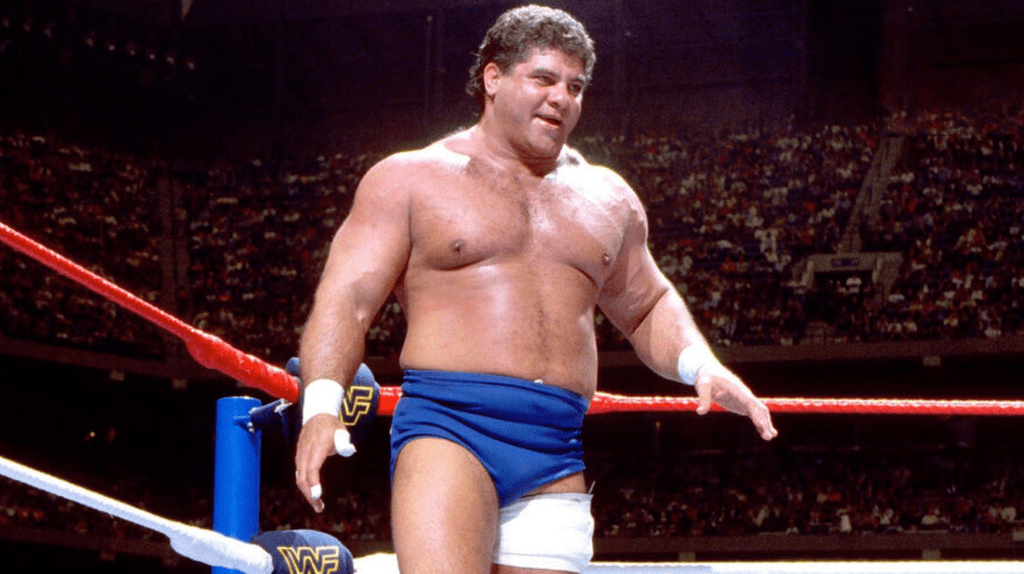
(Photo: Wrestling Observer)
One of the most blatant omissions was Don Muraco, who had long been a fixture of the WWF’s main event and mid-card scene.
Muraco had spent the early half of the decade as a featured player in the Intercontinental title picture, having won the belt twice and held it for a combined 541 days. In the previous years, he had feuded with high-profile talents like WWF champion Bob Backlund, Pedro Morales, and Jimmy Snuka.
The lack of Muraco is all the more surprising considering that he had just returned after a hiatus, managed by Mr. Fuji. A match at the event would also be an ideal way to set up an upcoming series of Madison Square Garden main event matches against WWF champion Hulk Hogan.
Muraco would continue working as a top-level performer throughout the year, even becoming the first ever King of the Ring winner in July, defeating the Junkyard Dog, old foe Pedro Morales, and The Iron Sheik to win the tournament.
Ken Patera
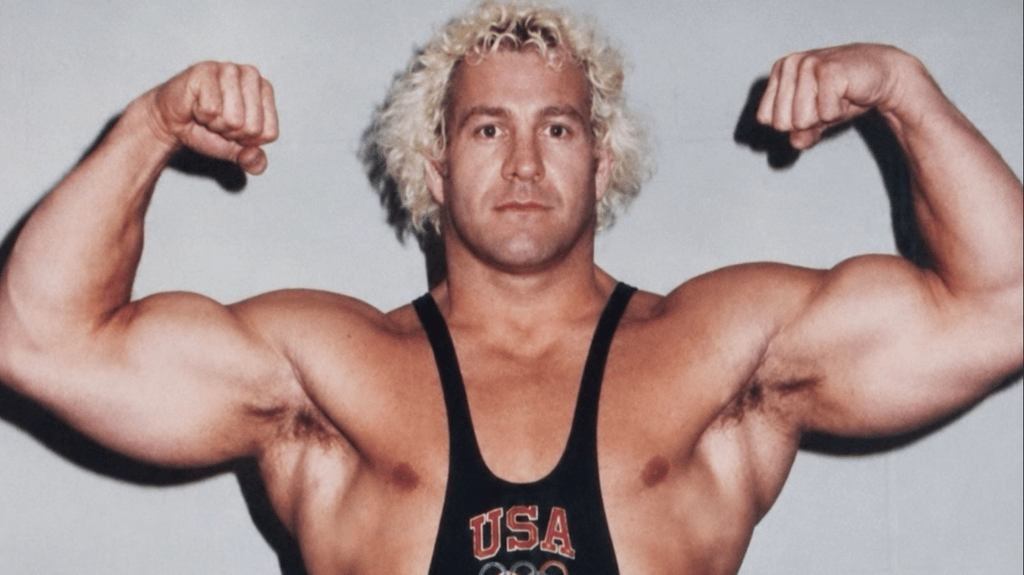
(Photo: MARCA)
Much like Muraco, strongman Ken Patera had long been a reliable mid-card and main event performer.
In the late 70s, the hated heel and former Olympian was a top challenger for the WWWF belt, taking on Bruno Sammartino and Bob Backlund for the sport’s top prize. In 1980, he would become the second Intercontinental champion, pinning Pat Patterson and holding onto the strap for seven and a half months. He twice won the PWI Most Hated Wrestler award.
Patera’s 1984 return saw him notch MSG victories over Rocky Johnson and Pat Patterson before joining Bobby Heenan’s Heenan Family stable. As such, he spent the weeks building up to WrestleMania teaming with stablemate Big John Studd, who would face Andre The Giant in a bodyslam challenge at “The Show of Shows”.
Hillbilly Jim
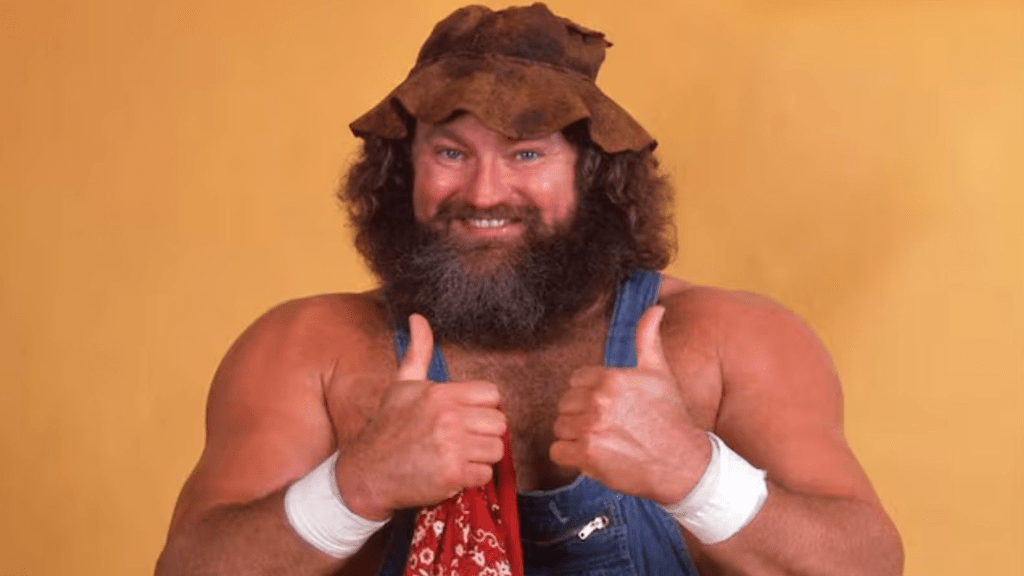
(Photo: WBKO)
While not of the same stature as the previous entries, Hillbillly Jim was a new WWF character who proved popular with fans and looked to be a key babyface.
Indeed, the 6’7 country boy was a close ally of Hulk Hogan, even having tag teamed with the WWF champion on the house show circuit.
After defeating Rene Goulet at the War To Settle The Score card, fate intervened as an ankle injury on a house show put him out of action.
He was injured during a house show spot where he chased Johnny V around the ring as Jim tried to aid Hogan, only for Jim to slip. He would be out of action for over six months.
Tony Atlas
(Photo: DirecTV)
The superhuman strongman Tony Atlas had returned to the WWF in 1984 and would surely have made an impact had the chiseled muscleman competed at WrestleMania.
Atlas had been a star throughout the first half of the decade, most notably in The Soul Patrol where he and Rocky Johnson became the first African-Americans WWF World Tag Team champions when they defeated The Wild Samoans in 1983.
As a solo performer, Atlas had also won Pro Wrestling Illustrated’s Most Improved Wrestler of 1980 and was the first WWF performer to pin Hulk Hogan.
Prior to WrestleMania, Atlas had faced off against Bob Orton and Roddy Piper, both of whom were key players in “The Grandaddy of Them All”’s main event. He had also had some unsuccessful attempts at Greg Valentine’s Intercontinental belt.
Atlas’s appearance may have also aided diversity on the show, with the only other major black wrestler, Junkyard Dog, not putting in a performance particularly representative of his charisma and star power.
Dynamite Kid
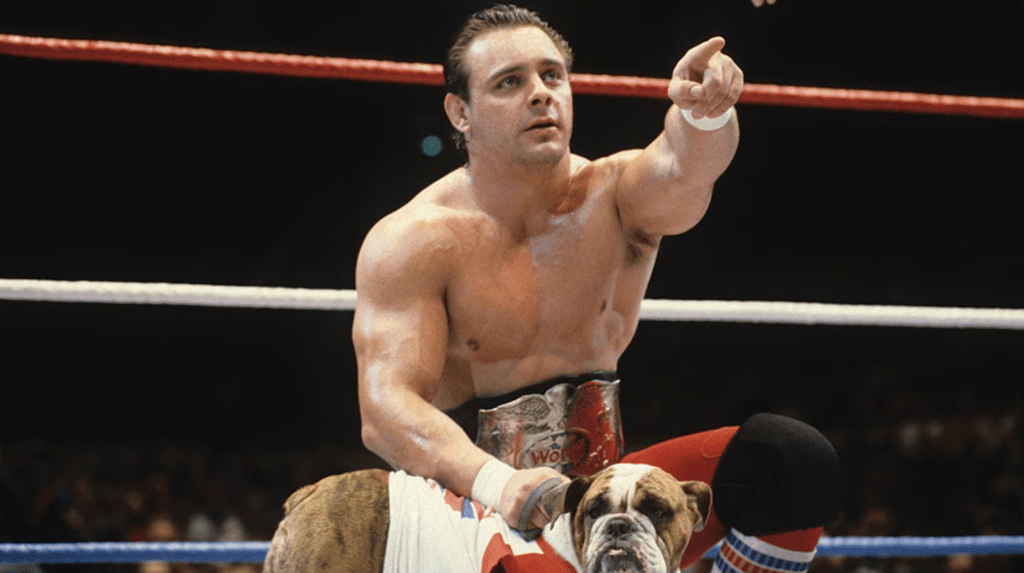
(Photo: E! News)
One thing the first WrestleMania was short on was great wrestling, with a sub-five-minute Ricky Steamboat and Matt Borne match winning the prize for match of the night. While always organised as far more of a star-studded showcase than a night for fans of mat classics, some tremendous technicians would certainly have been welcome.
When Dynamite Kid put pen to paper with the WWF in 1984, he was already a world-renowned performer, having set the in-the-know fans on fire with his Japanese matches with Tiger Mask. After his TV debut, Vince McMahon himself personally praised Dynamite.
Kid would no doubt have set the crowd alight with a performance at WrestleMania.
Additionally, Davey Boy Smith had just debuted, so the team could have made their first splash in a tag fixture, showing off their distinctive combination of speed and power.
Bret Hart
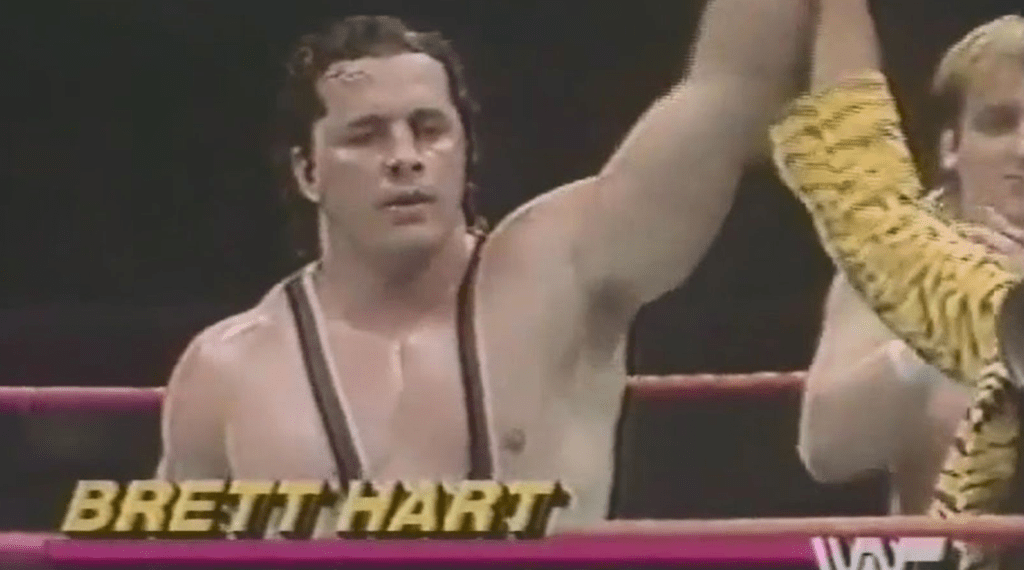
(Photo: ‘Seinfeld WrestlePosting’ on Facebook)
A potential all-time classic would pit Dynamite Kid versus Bret Hart, who teamed together in both men’s TV debuts.
In the following months, Hart would work his way up, defeating a number of local enhancement talent.
Despite not having a large amount of exposure, Hart’s previous in-ring credentials in Stampede spoke for themselves and he was more than capable of putting on a stunning technical masterpiece.
An interesting note is that “The Hitman” teamed with Jim Neidhart for the first time in the week before WrestleMania. Although not two cemented teams, a Bulldogs/Hart Foundation exhibition had the potential to be a true classic on a show slim of wrestling prowess.
The Moondogs
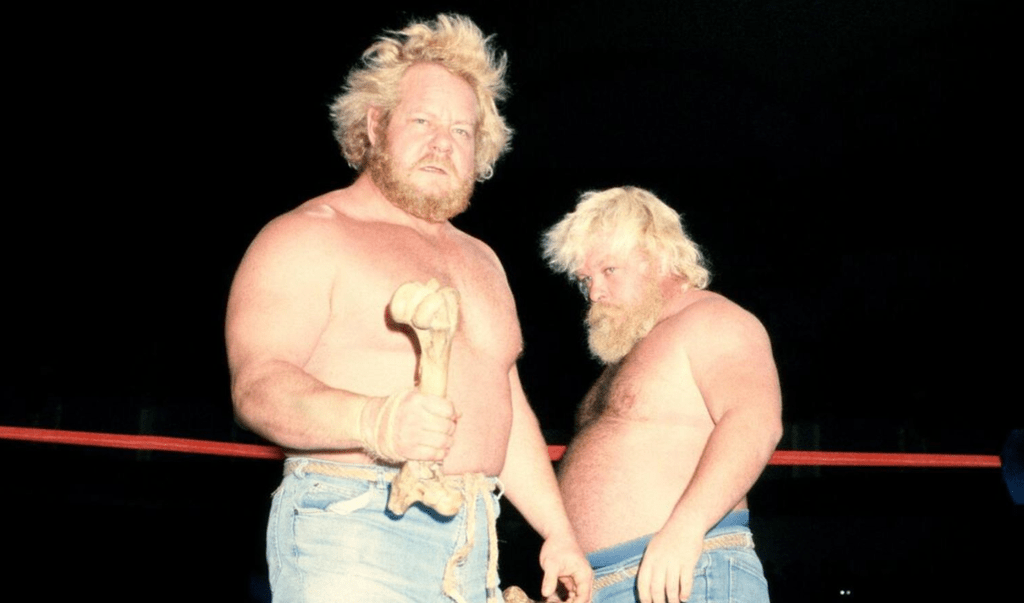
(Photo: WWE.com)
With their shaggy facial hair, dishevelled ring gear, and constant bone-chewing, the Moondogs tag team was one of the most memorable tag team gimmicks in the pre-Rock ‘n’ Wrestling Era.
In a match taped in March 1981, Moondog Rex and Moondog King (the latter soon to be replaced by Moondog Spot aka Larry Latham), won the WWF World Tag Team titles, defeating Tony Garea and Rick Martel after whacking Garea with their patented bones. The team would also cross paths with some of the biggest stars in the promotion such as top draw Andre The Giant, Intercontinental champion Pedro Morales, and WWF champion Bob Backlund.
After an absence of a few years, the team would be brought back into the company. However, the disbanding of The Soul Patrol team would end a planned feud and in the intervening period between runs, the WWF was under new ownership as Vince Jr. had taken over.
In the weeks before ‘Mania, the team had lost to teams like The US Express, The Fabulous Rougeaus, and The British Bulldogs.
Although never as big in this second run as their initial fame in 1981, they were a notable gimmicked enhancement talent team who could have added to the show’s colourful presentation.
Chief Jay Strongbow
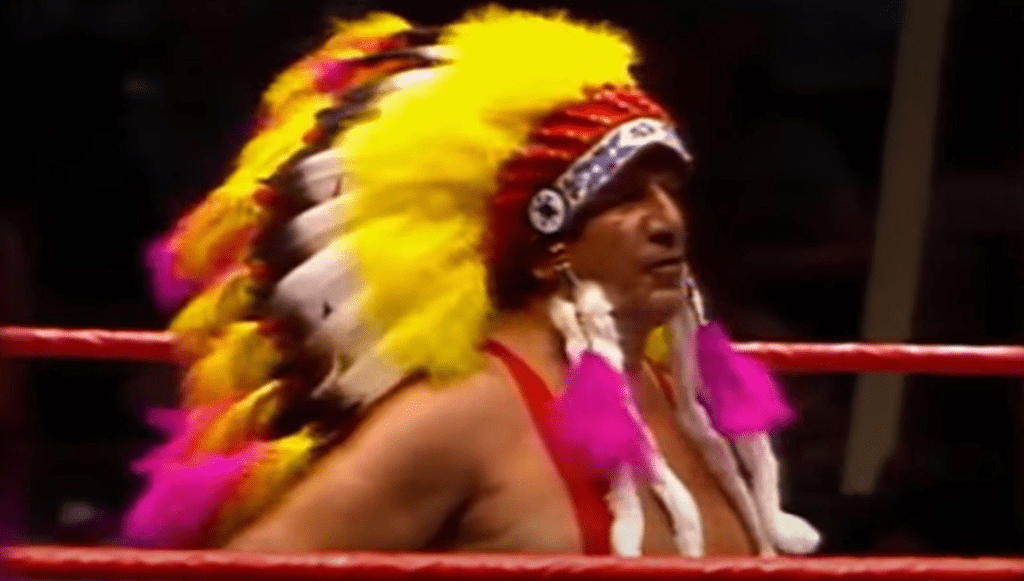
(Photo: Pro Wrestling Stories)
By 1985, Chief Jay Strongbow was in his mid-50s and his in-ring career was evidently winding down. Perhaps one last high – a match at WrestleMania – would be a suitable sendoff for a top performer for the WWF over many years.
Described by wrestling historian Jim Cornette as “perpetually Vince McMahon Sr.’s number two babyface”, Strongbow held the tag belts with multiple partners and feuded with WWWF champion Billy Graham and Greg Valentine.
By 1983 however, he was crowned the Most Washed Up Wrestler Award by the Wrestling Observer.
In early 1985, he lost to younger heel talents like David Schulz, Jim Neidhart, and Adrian Adonis. He was also handily defeated by Paul Orndorff at The Brawl To End It All.
Nonetheless, he was left off the ‘Mania card and would shortly wrap up his career as he transitioned to a backstage role, one where he was famously unpopular.
Tony Garea
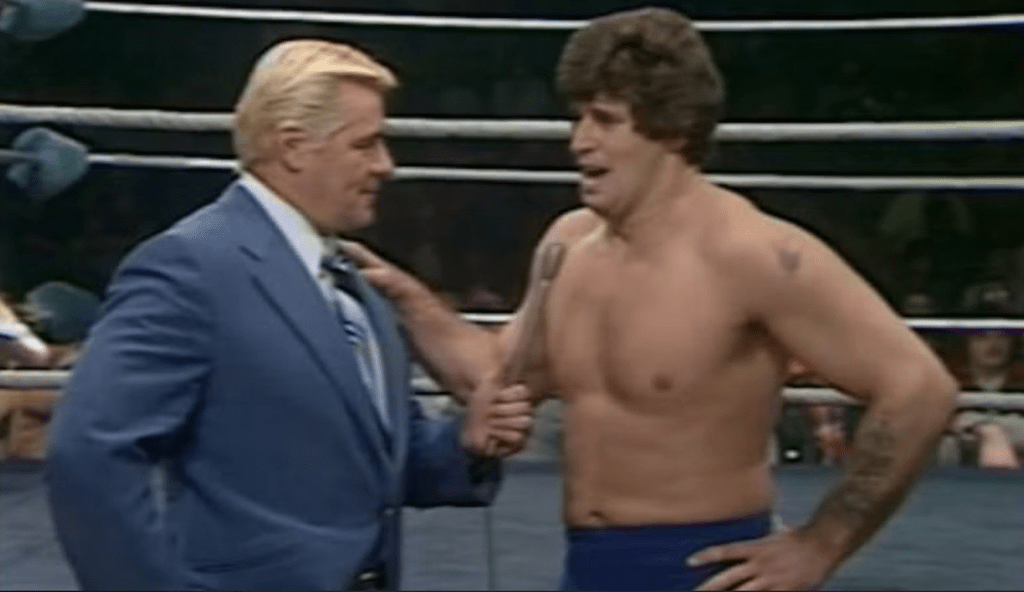
(Photo: TheSportster)
Another performer closing the book on a long career to pursue a lengthy, Garea was a lovable mid-carder for the company for over a decade.
Much like Tito Santana after him, Garea played the role of the reliable milquetoast babyface who could put on a good display with anyone.
Garea would win the WWF World Tag Team titles on five occasions. He would win the straps with a roster of diverse talent from 600 pound country boy Haystacks Calhoun to Hawaiian ex-bodybuilder Dean Ho to technically-proficient Sammartino protege Larry Zbyszko. His most famous and successful partner however was Quebec-born sweetheart Rick Martel.
The year before WrestleMania I, he had competed at The Brawl To End It All, losing a singles bout to The Iron Sheik.
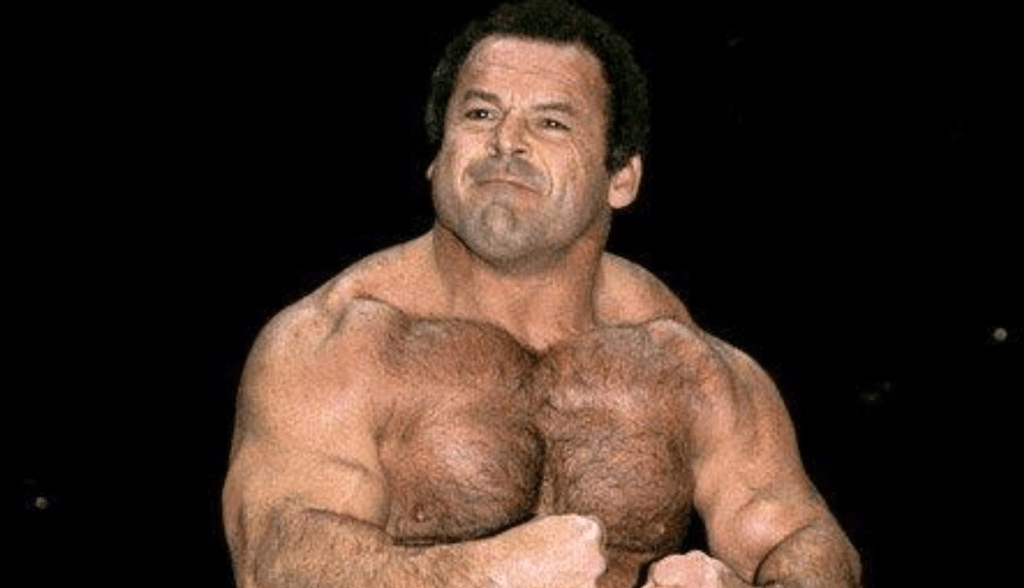
Ivan Putski
(Photo: WWE.com)
“Polish Power” Ivan Putski may have only been 5’9 in a promotion dominated by giants but his astonishing physique made him an unignorable star.
The stout strongman was a former World Tag Team champion, holding the belts with Tito Santana, holding them for half a year after snatching them from The Valiant Brothers. Putski would also wrestle in front of over 30,000 twice, making appearances at two of the Showdown At Shea events.
By 1985, the WWF still clearly had some faith in Putski, demonstrated by house show victories over big names like David Shultz and The Iron Sheik.
After missing WrestleMania, Putski would make his only Pay-Per-View appearance at the next event, The Wrestling Classic. “The Polish Hammer” would lose in under three minutes to “Macho Man” Randy Savage in the opening round of the tournament.
He was, however, one of the WWF’s first Hall of Famers, inducted in 1995.

James
Plus, Ken Patera was set to go on trial for property damage and battery, which ended in a guilty verdict in June and was sentenced to two years in prison.
Luke
I’d love to see a similar list for the first ten Manias. Especially 3-6.