Joe King
When fans talk about revolutionary wrestling television, WCW Monday Nitro often dominates the conversation. But years before Nitro changed the industry, WCW’s Clash of the Champions quietly laid the groundwork for what wrestling on free television could be—high-stakes, pay-per-view–level events broadcast straight into living rooms at no extra cost.
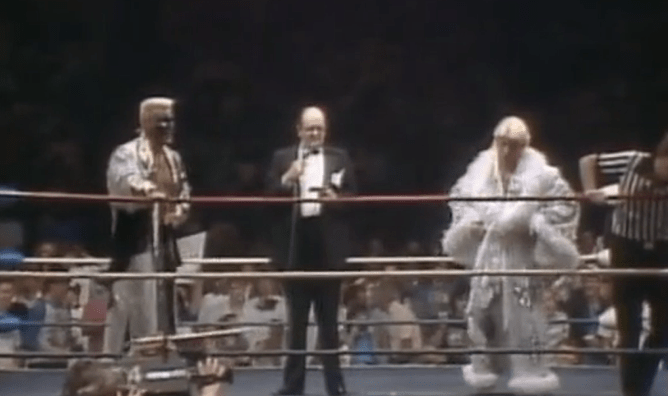
Clash of The Champions was born out of competition. In 1988, Jim Crockett Promotions, which would soon become World Championship Wrestling under Turner Broadcasting, was looking for a way to counter the WWF’s expanding pay-per-view dominance. Rather than compete directly with PPVs behind a paywall, JCP took a bold gamble: air major events live on free cable television via TBS. The first Clash of the Champions aired on March 27, 1988, from the Greensboro Coliseum in Greensboro, North Carolina. The goal was simple—to give Vince McMahon a taste of his own medicine for the way he gave away the very first Royal Rumble on the USA Network to go head to head with Bunkhouse Stampede and force fans to choose The Clash over WWF’s WrestleMania IV, which aired the same night. The strategy worked. The debut featured Ric Flair defending the NWA World Heavyweight Championship against Sting in a 45-minute time-limit draw, a match that helped turn Sting into a national star overnight. Ratings were strong, the buzz was massive, and Clash of the Champions instantly felt important.
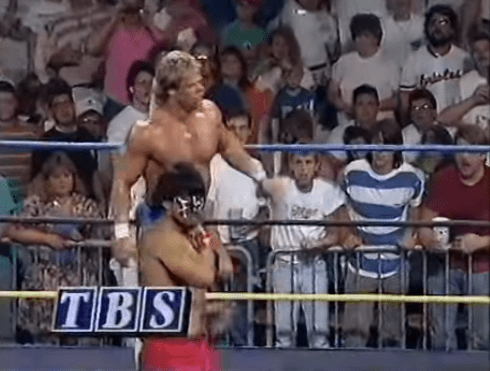
Unlike standard weekly programming, Clash of the Champions was presented as a supercard event. Key elements that defined the series were live broadcasts, title defenses on free TV, longer main event matchups that often had a big-fight feel and were not just throwaway matches.
Throughout the late 1980s and mid 1990s, Clash became a cornerstone of WCW programming, helping elevate talents like Sting, Lex Luger, The Four Horsemen, The Steiner Brothers, and introducing stars like Brian Pillman, DDP, Ultimo Dragon, Dean Malenko, and Eddie Guerrero.
When Turner Broadcasting officially rebranded JCP as WCW in 1989, Clash of the Champions continued as a flagship special. However, cracks slowly began to form and by the early 1990s, WCW’s creative direction became inconsistent as management turnover increased and pay-per-view revenue became a bigger focus.
The debut of WCW Monday Nitro in September 1995 changed everything.
Nitro essentially became a weekly Clash of the Champions with live broadcasts, big name stars, and surprise appearances. These are the main things that made the Clash episodes special and with Nitro airing every Monday night, the need for periodic supercards diminished. Why wait months for a Clash when WCW was giving away headline-worthy moments every week? Clash of the Champions no longer fit the model.
The final Clash of the Champions, Clash of the Champions XXXV, aired on August 21, 1997. Rather than formally announcing its cancellation, WCW simply let the concept fade away—a quiet end for a series that once shook the industry. Despite its demise, Clash of the Champions left behind a massive legacy. It reshaped how wrestling was presented on television.
Though it ultimately fell victim to the very evolution it helped inspire, Clash of the Champions remains one of the most important—and often underappreciated—chapters in WCW history.
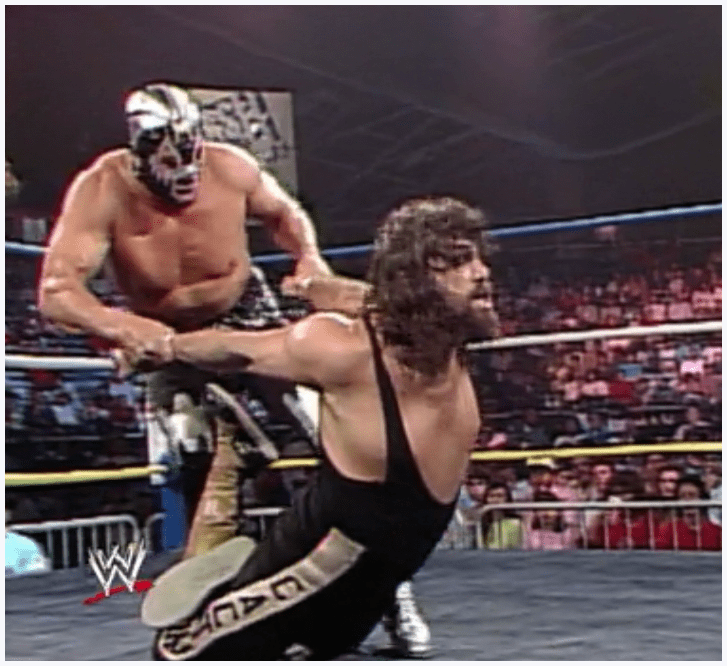
Here is a list of some of the all-time greatest matches in WCW Clash of The Champions history:
•Ric Flair vs Sting – Inaugural Clash
•Mil Mascaras vs Cactus Jack – Clash X
•Sting vs Rick Rude – Clash XVII
•Lord Steven Regal vs Dustin Rhodes – Clash XXVI
•Steve Austin vs Ricky Steamboat – Clash XXVIII
•Harlem Heat vs The Steiner Brothers vs Sting & Lex Luger – Clash XXXIII
•Ultimo Dragon vs Dean Malenko – Clash XXXIV

david fullam
So many great shows.