Joe King
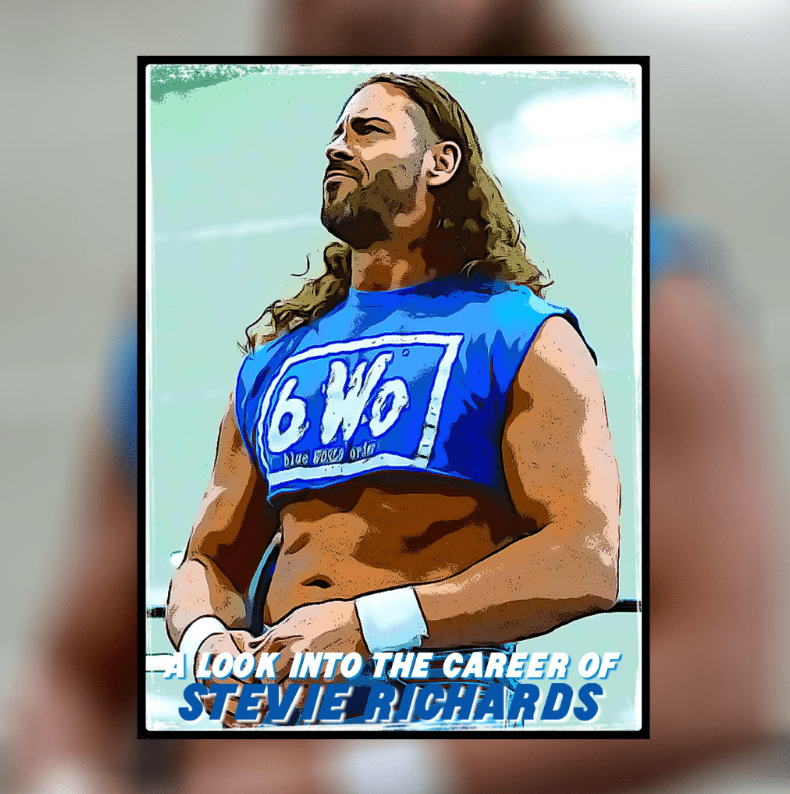
Stevie Richards (born Michael Manna on April 12, 1971) carved out a unique and influential career in professional wrestling by constantly reinventing himself. Known for his intelligence, adaptability, and willingness to evolve with the business, Richards became a cult favorite—especially during wrestling’s most chaotic and creative era.
Early Career & Training
Stevie Richards trained as a professional wrestler under Jimmy Jannetty at Mike Sharpe’s wrestling school in Brick Township, New Jersey. He debuted in 1992 and wrestled throughout the Northeast indie scene, developing a reputation as a technically sound worker with strong promo instincts. Early on, Richards showed a knack for understanding wrestling psychology—something that would define his career.
ECW
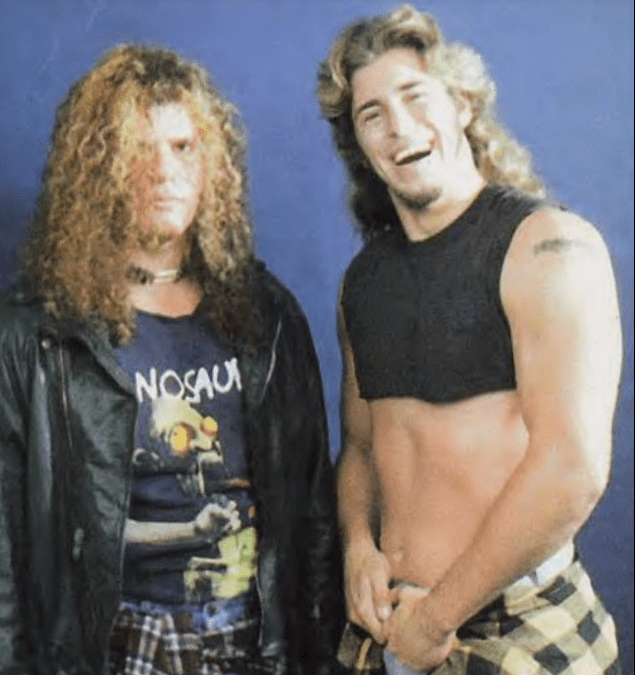
Richards found his true identity in Extreme Championship Wrestling, where he became a key part of ECW’s underground appeal. Stevie Richards gained national attention as a member of Raven’s Nest, aligning himself with ECW World Champion Raven. As Raven’s loyal follower, Richards played the role of the obsessed, insecure protégé who constantly sought approval. Together they would become the ECW World Tag Team Champions on two occasions.
Birth of the BWO
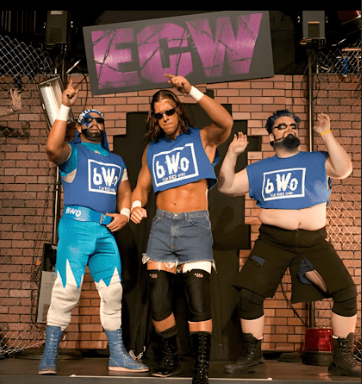
After a falling-out with Raven, Richards formed a partnership with The Blue Meanie, leading to one of ECW’s most iconic acts, the Blue World Order. This was a parody of the hugely successful worldwide phenomenon known as the New World Order over in WCW. Richards would be known as “Big Stevie Cool”, a take on Kevin Nash. The bWo became very popular with fans. Despite being a comedy faction, the BWO connected deeply with the ECW audience due to its humor and anti-establishment vibe. BWO merchandise would go on to outsell many top acts in the company. He would announce his retirement in 1997 after a neck injury suffered at the hands of Terry Funk and a steel guardrail.
WWE
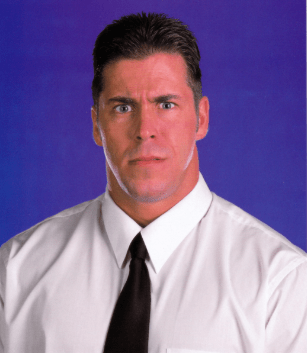
After a brief stint in WCW, Stevie Richards joined the World Wrestling Federation in 1999. Richards was first introduced to WWF audiences alongside The Blue Meanie. He would parody other wrestler’s gimmicks such as The Acolytes, Chyna, Test, and Dude Love. In 2000, Richards would find arguably his biggest success as he underwent another drastic reinvention as a member and eventual leader of Right to Censor, a controversial faction that protested violence and sexual content in wrestling. Though widely hated by fans (by design), RTC gave Richards significant television time and established him as a dependable heel. He would win the WWF Hardcore Championship a total of 22 times. After Right To Censor broke up, he would then form an alliance with Kronik. After Kronik was fired after their match with The Undertaker & Kane, Stevie began appearing on Jakked and Metal, before “Stevie Night Heat” would debut on Sunday Night Heat and he would allign himself with Women’s Champion, Victoria.
Despite being praised backstage for his wrestling IQ, Richards was often underutilized. After his run in the WWE’s version of ECW from 2006-2008, Stevie was released, marking the end of a decade-long run with the company.
Post-WWE Career: Reinvention & Education (2009–Present)

Following WWE, Richards competed in TNA/Impact Wrestling as Dr. Stevie alongside Abyss. He would also bring his veteran presence to companies like Ring of Honor, Maryland Championship Wrestling, Extreme Rising, and various other independent promotions.
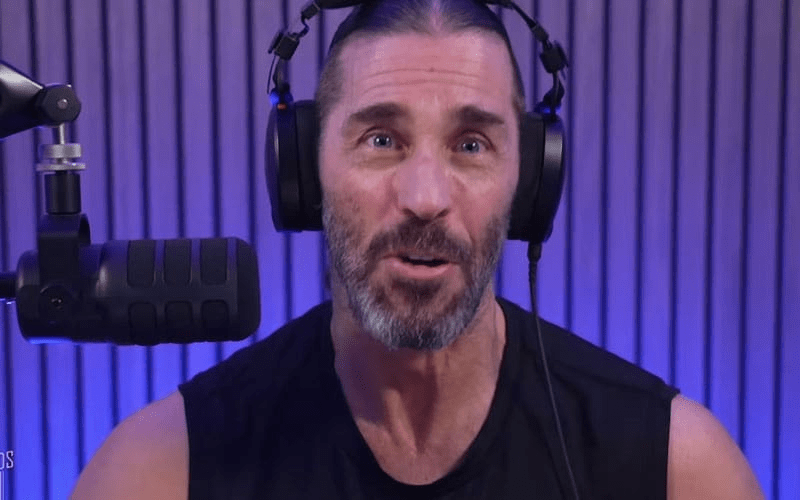
However, his most influential post-WWE role came through education and analysis.
Stevie Richards has a highly respected YouTube channel focused on: wrestling psychology, injury prevention, detailed match breakdowns, and honest critiques of modern wrestling. His insights have earned praise from fans and wrestlers alike, offering a rare, veteran perspective grounded in real experience.
Legacy & Impact
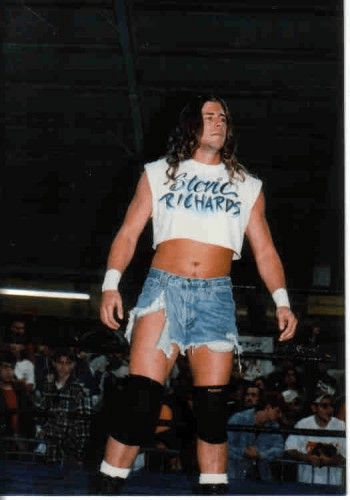
Stevie Richards may never have been pushed as a top-tier superstar, but his influence is undeniable. In an industry that often rewards size and spectacle, Stevie Richards proved that intelligence, adaptability, and authenticity can earn a lasting legacy.
Dan Mitchell
Although your article was very well written, there are a few things that come to my head.
Stevie was never over.
BWO hasn’t stood the test of time and was only for a short period of times.
RTC was one of the worst gimmicks of all time.
Dr Stevie was one of TNA’s worst gimmicks.
Stevie is a known piece of shit when it comes to dealing with fans.
Stevie was never a great worker. Whoever said he had an wrestling IQ and great at psychology is an idiot.
Half of the stuff on his podcast is clickbait bullshit.
Joe King
Thank you. I appreciate that. Stevie was involved in almost every major angle in the glory days of ECW. Right To Censor was pretty hated and it wasn’t “go away” heat. I believe they could have done more with it. I’ve seen him a couple of times live and he put on pretty good matches on both cards.
Kyle Prescott
Another guy you would be hard pressed to find anyone willing to say anything negative about him. His willingness to help other wrestlers is well known in the industry. The business and the world needs more Stevie Richards.