Posted on by bdamage1

Brian Damage
Professional wrestling is a very cyclical business. There are years when the industry is red hot and everybody wants to be associated with it and then there are years where it is ice cold and nobody would touch it. One year in particular stands out as perhaps one of the very worst in the history of pro wrestling. At least on the business side of things. Today, we take a look back at the year that was 2001.

In the mid to late 1990’s, pro wrestling was perhaps the hottest it had ever been. The Monday Night Wars between WCW and the WWF catapulted wrestling to a level that we simply hadn’t seen before. Television ratings, pay per view buy rates and live attendance were through the roof. Pro wrestlers had more control over their own careers, getting big money contracts to stay with whatever promotion they were with. WCW had the more reality based New World Order storyline and the WWF ushered in the more risque ‘Attitude Era.’

On the heels of both companies flourishing, there was Extreme Championship Wrestling based in Philadelphia, Pennsylvania that were pioneering the way we watched wrestling in the 90’s. ECW was more than just another wrestling company, it had become a movement where fans would chant its letters even in WCW and WWF venues. Guys like Hulk Hogan and Sting saw a major resurgence in their careers in the mid to late 90’s. The money was flowing everywhere and everyone wanted to be a part of the business.
As we entered the new millennium, things started to cool off a bit. Business wasn’t as hot both creatively and financially, but fans still had the luxury of three major promotions to choose from. The Monday Night Wars had become pretty much one sided with the WWF beginning to trounce WCW in the ratings. ECW was getting a much needed boost by airing on a national cable outlet named TNN. However, it was a very shaky partnership. Eventually the WWF would too join the TNN lineup jumping ship from their old USA network stomping grounds.

As the calendar turned over to 2001, pro wrestling was in a much different state than it was in the 1990’s. The shakiness that was 2000, had finally come to a head in 2001. Professional wrestling would begin hemorrhaging. We sadly saw the first major organization fall with Paul Heyman’s ECW going under. Many of ECW’s stars who owed thousands of dollars and were left with nothing once the company went belly up.
As innovative and as influential as ECW was, it simply could not compete financial with WCW or the WWF. It was said that ECW was too big to be an independent promotion and too small to be a major organization. ECW’s demise would just be the begging of the bad news that would come from the year 2001.

Around this same time, Time Warner/AOL (WCW’s parent company) were looking for possible buyers for the company. For a long while, it looked like former WCW head Eric Bischoff and Fusient Media Ventures were all but locked in to buy WCW. The deal went hot and cold for months. When Fusient finally bowed out and the deal fell through….things only got worse. The decision was made to cancel all WCW programming from TNT and TBS. With no television home for the promotion to be showcased, WCW fell right into the hand of Vince McMahon and the WWF.
A series of bad booking decisions, combine with pushing older stars instead of creating new, younger stars helped push World Championship Wrestling over the edge. The once mighty WCW which was worth hundreds of millions of dollars was sold to the competition for a very paltry 2.5 million dollars. And just like that, in the span of a few months…the “Big 3” was whittled down to just one promotion…the World Wrestling Federation.

The WWF had become a wrestling monopoly controlling all the power in the industry. Wrestlers no lober had power or control, as the WWF became the only real game in town. Despite having all the power, the WWF was also not impervious to the 2001 reckoning. Ratings and attendance figures fell very rapidly. Creatively, the company was completely stagnant. Vince McMahon had a potential huge storyline in a WCW invasion angle in the palm of his hands and it came off horribly.
Many fans of WCW and ECW, simply did not tune in to WWF’s programming. On top of all of that, WWF announcer Jerry ‘the King’ Lawler abruptly quit the company after he found out his wife Stacy Carter was let go. That began a bitter war of words between the two sides for months. It had gotten so bad, that the WWF pulled all of it developmental talent out of Lawler’s Memphis Championship Wrestling promotion. MCW would soon fold right after that.
The deaths of both ECW and WCW resulted in a few new promotions rising up to be an alternative to the mighty WWF. Main Event Championship Wrestling emerged and soon disappeared amid a variety of scandals. Jimmy Hart and a few investors started a promotion called The XWF, but it really never gained any momentum.
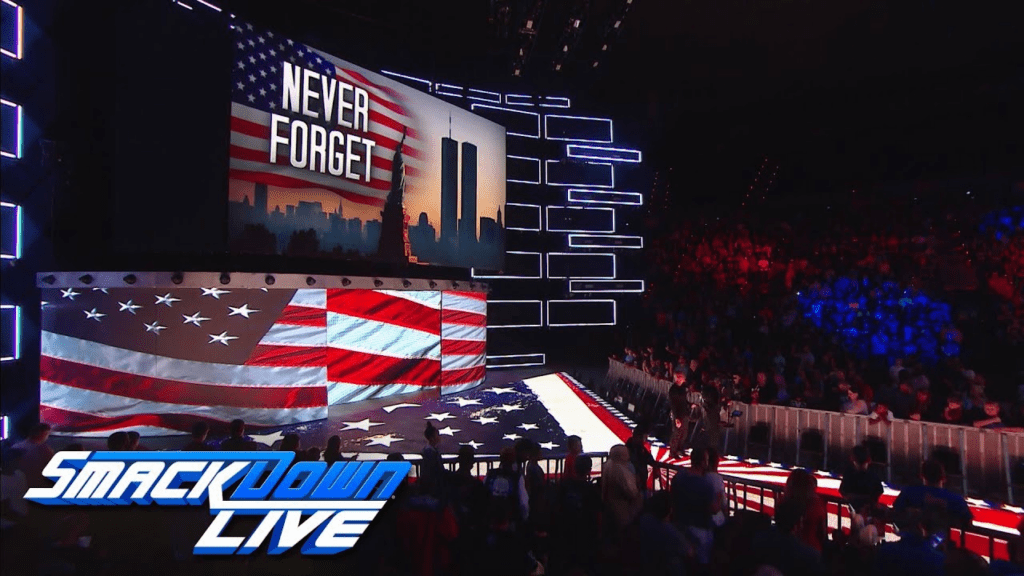
The year 2001 also saw the United States suffer terrorist attacks on September 11th. The attacks greatly affected professional wrestling all over the world with non stop news coverage, wrestling shows were pre-empted on television. Many fans avoided attending large gatherings fearing the venues would be targets. Multiple independent shows had to be rescheduled or flat out cancelled due to the shows being booked at national armories which were now under lockdowns.

Overseas in Japan wasn’t really in any better shape than the United States. All Japan Wrestling was virtually hanging by a thin thread after a mass exodus of the company’s top talent left to form Pro Wrestling Noah just a year before. Frontier Martial-Arts Wrestling (FMW) was in very bad shape financially. New Japan Pro Wrestling wasn’t that much better either. Many of its top stars suffered injuries and bad creative decisions by Antonio Inoki hurt NJPW. It got to the point, that it became extremely difficult to sell out their traditional January 4th, Tokyo Dome shows.
Down south in Mexico, AAA and CMLL were still doing pretty solid business. However, several of the top luchadors of the time were basically blacklisted from competing in the top promotions due to either bad behavior or falling out due to their time abandoning Mexico for the bigger pay days of working for WCW.

In other happenings around wrestling in 2001 saw the deaths of wrestling legends like Johnny Valentine, Freebird Terry ‘Bam Bam’ Gordy from heart issues and WWF developmental wrestler Russ Haas from a heart attack at the young age of 27. Bryan Danielson aka Daniel Bryan nearly quit the business after being released from WWF developmental. He contemplated quitting wrestling, going back to school and becoming a school teacher. The World Wildlife Fund began legal proceedings against the World Wrestling Federation over the misuse of the name WWF.
All in all, 2001 was an extremely bad year for professional wrestling. A dark era indeed for the industry. Some good did emerge from 2001 though. Ring of Honor and TNA wrestling were beginning to form and would debut the following year in 2002. The WWF’s Ruthless Aggression era took over in 2002 with new stars like Randy Orton, Brock Lesnar, Batista and John Cena all debuting. Pro wrestling would somewhat recover from perhaps the very worst year in wrestling….2001.

James
Probably the worst year professional wrestling ever had.
177613735
Definitely.
Dan Wray
Lets not forget Sid Vicious’ and Triple H’s nasty knee injuries on live television. Different circumstances but famous reminders of even the simplest moves being dangerous
Dan Mitchell
Yet, for years wasn’t WM17 and Invasion two of the most bought ppvs?
177613735
Very true, but they didn’t sustain any momentum whatsoever.
Dan Mitchell
Totally agree!
WordPress Backlinks
Loving the info on this site, you have done great job on the content.